
SIMONE MARTINI
SIMONE MARTINI: THE MASTER OF ELEGANCE AND GRACE
Before Leonardo. Before Michelangelo. Before Raphael.
https://youtube.com/shorts/FtOWdFaqghI
When discussing the great artists of Italy, names such as Leonardo da Vinci, Michelangelo, and Raphael often dominate the conversation. Yet more than a century before the height of the Renaissance, another artist was laying the groundwork for the artistic revolution to come.
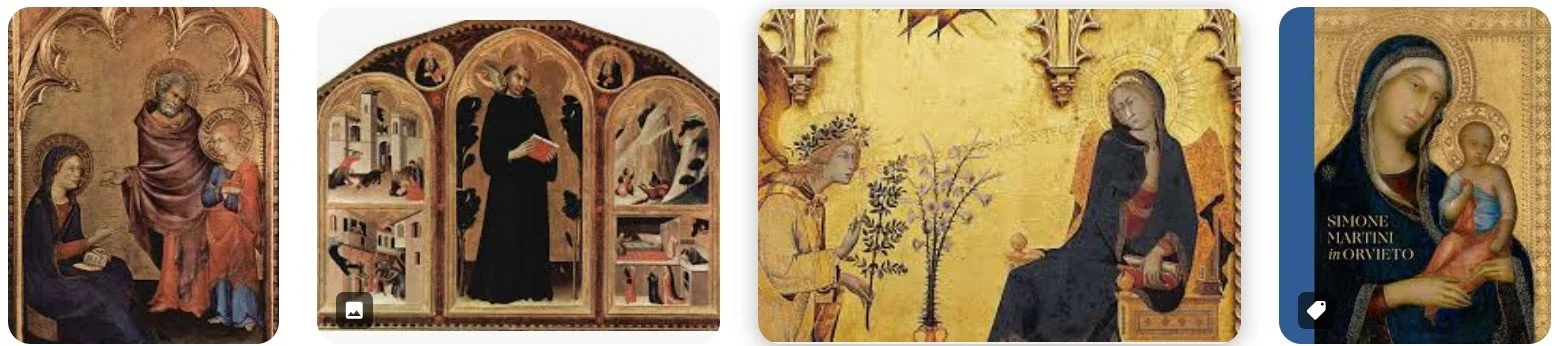
His name was Simone Martini, and he is widely regarded as one of the greatest painters of the Italian Gothic period.
Born around 1284 in Siena, Italy, Martini emerged during a time when European art was beginning to evolve beyond the rigid and symbolic forms of the Middle Ages. While religious subjects remained the primary focus of artistic expression, painters were increasingly seeking ways to add emotion, movement, elegance, and realism to their work.
Simone Martini excelled at all of these.
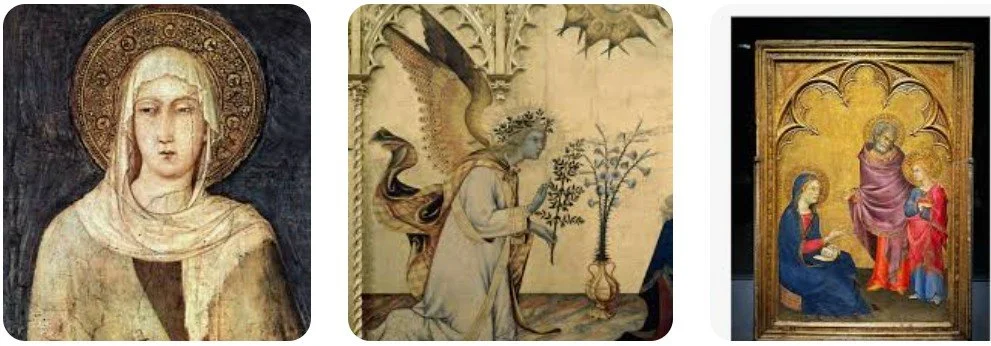
Unlike many of his contemporaries, Martini brought a remarkable sense of refinement to his paintings. His figures appeared graceful and expressive. Their clothing flowed naturally. Their gestures conveyed emotion rather than simply illustrating religious doctrine.
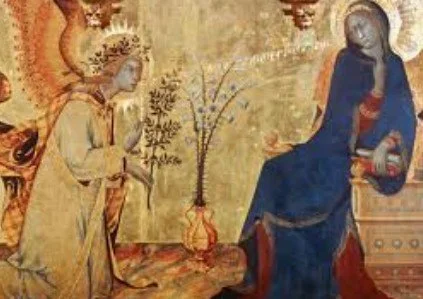
One of his most famous works is the Annunciation, painted in 1333. The painting depicts the moment the Angel Gabriel announces to the Virgin Mary that she will become the mother of Christ.
What makes this masterpiece extraordinary is its sense of movement and drama. Gabriel seems almost to glide into the scene, while Mary reacts with a mixture of surprise and humility. The gold background reflects the artistic traditions of the time, but the emotional interaction between the figures feels strikingly modern.
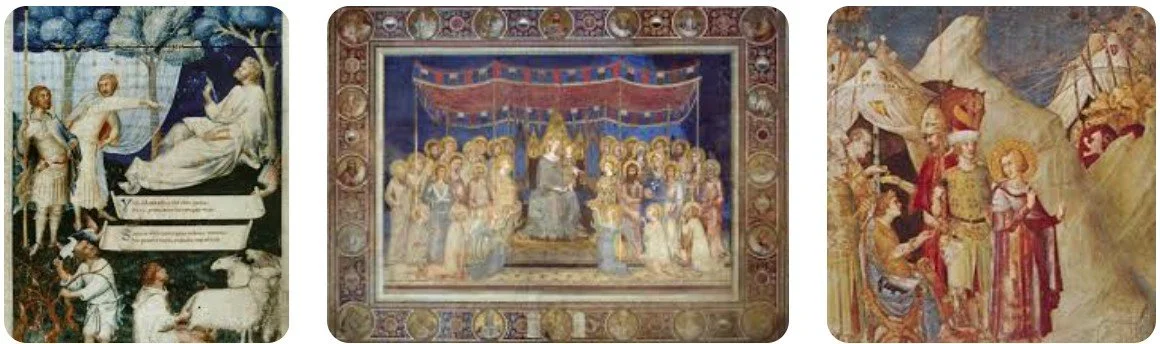
Martini's work represented the finest qualities of what became known as the International Gothic Style, an artistic movement characterized by elegance, decorative beauty, rich colors, and sophisticated detail.
His reputation eventually spread beyond Italy. In his later years, Martini moved to Avignon, France, where he worked in the papal court. There, his style influenced artists throughout Europe and helped spread Italian artistic ideas across the continent.
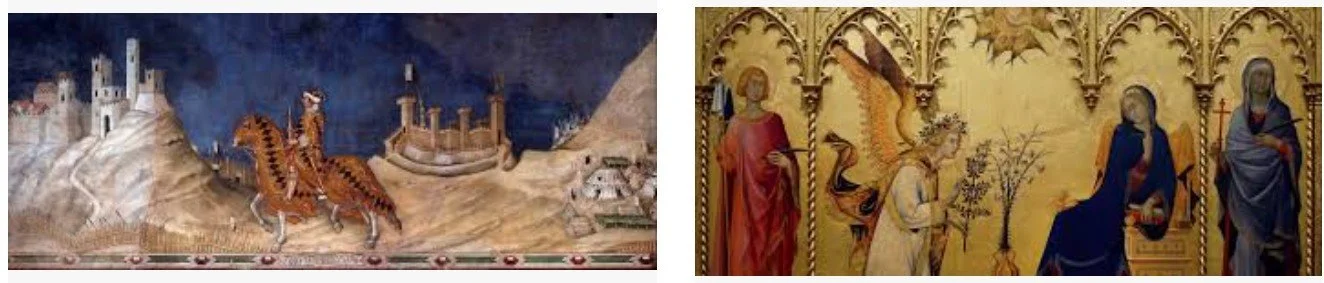
Art historians often describe Simone Martini as a bridge between two worlds. He retained the spiritual symbolism of medieval art while introducing greater realism, personality, and emotional depth. In many ways, he helped prepare the path for the Renaissance artists who would follow.
More than seven centuries after his death, Martini's paintings continue to attract admirers from around the world. His ability to combine beauty, storytelling, and technical mastery reminds us that artistic innovation did not begin with the Renaissance. It was built upon the talents of artists like Simone Martini who dared to move beyond tradition while honoring it.
An interesting mystery surrounding Simone Martini is that no confirmed portrait or self-portrait of the artist is known to exist. While some historians have speculated that he may have included his likeness within one of his paintings, no definitive evidence has ever been found. As a result, unlike many later Renaissance artists, we do not know with certainty what Simone Martini actually looked like. Most images identified as portraits of Martini today are modern artistic interpretations created centuries after his death.
The next time you admire the works of the Renaissance masters, remember that their story did not begin with Leonardo or Michelangelo. It began with visionary artists such as Simone Martini, whose elegant brushwork helped usher European art into a new age.