
AMBROSE BIERCE
THE WRITER WHO BECAME A MYSTERY
THE AUTHOR WHO DISAPPEARED
https://youtube.com/shorts/0WcOf6tNpmg
Few authors have lived a life as fascinating—or disappeared under such mysterious circumstances—as Ambrose Bierce.
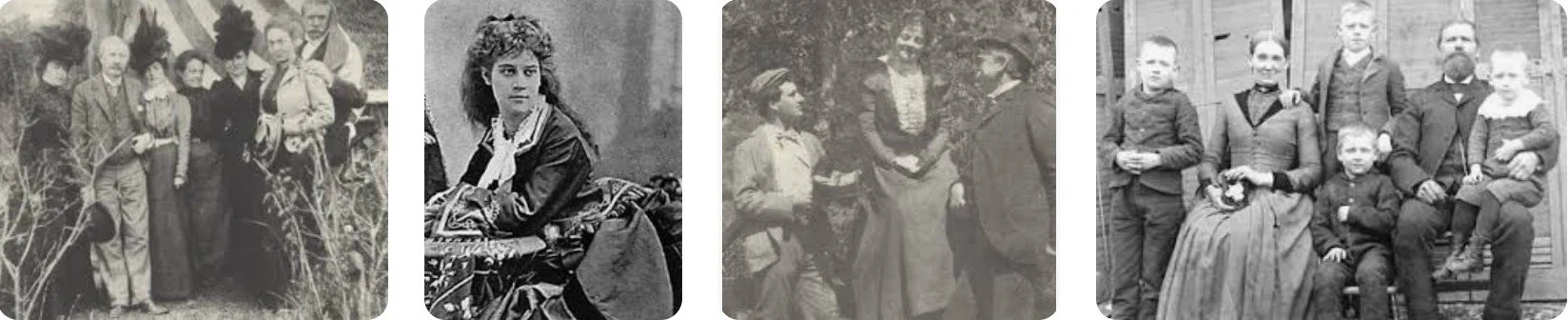
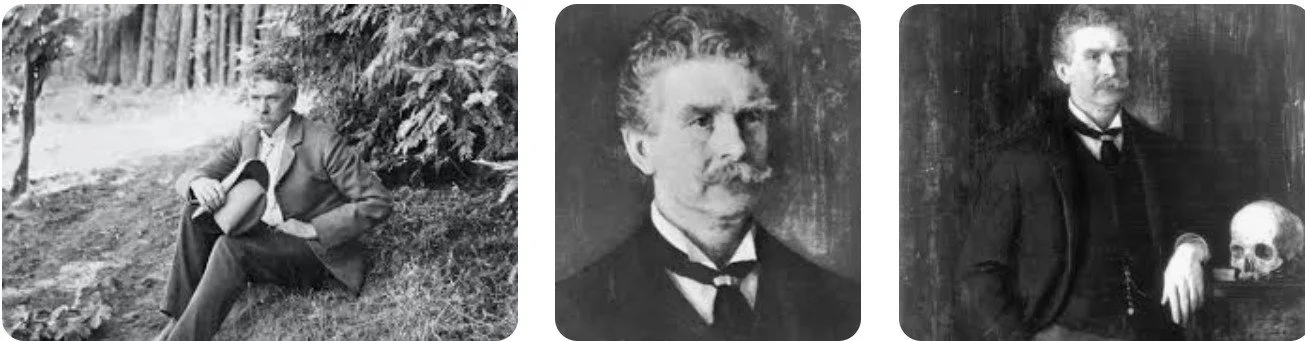
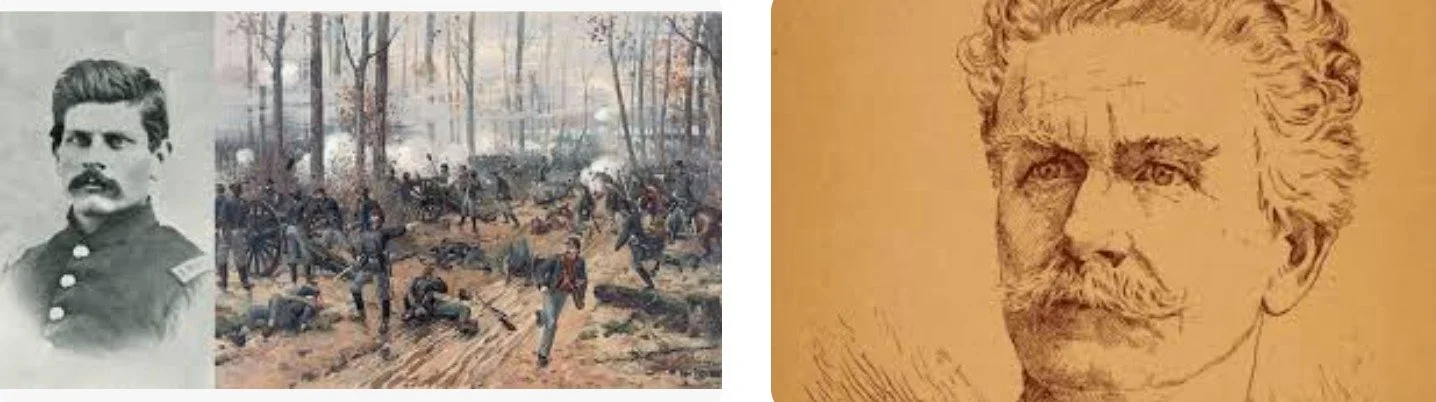
Born in Ohio in 1842, Bierce grew up in a large family and would eventually become one of America's most respected journalists, satirists, and short-story writers. His life was shaped by experiences that many writers only imagined. During the American Civil War, Bierce served in the Union Army and witnessed some of the conflict's bloodiest battles. The horrors of war would later influence many of his most memorable stories.
Following the war, Bierce became a journalist and columnist known for his sharp tongue and uncompromising opinions. His biting commentary earned him both admirers and enemies. Readers soon became familiar with his dark wit, which reached its peak in his famous work, The Devil's Dictionary.
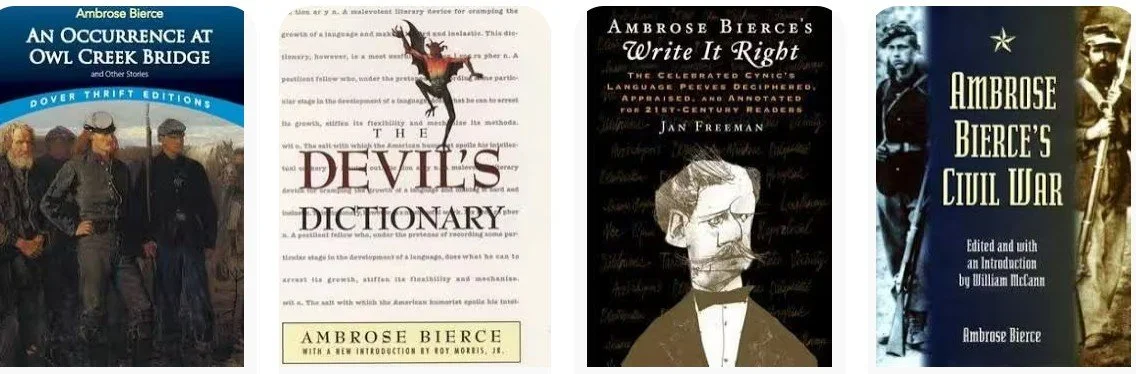
The Devil's Dictionary offered satirical definitions that mocked politics, society, business, and human nature itself. Many of the entries remain surprisingly relevant today and continue to be quoted more than a century after they were written.
Bierce was also a master of short fiction. His story An Occurrence at Owl Creek Bridge is widely regarded as one of the greatest American short stories ever written. Set during the Civil War, the tale explores perception, reality, and the human mind in ways that were decades ahead of their time.
Other stories such as The Damned Thing, Chickamauga, The Boarded Window, and The Death of Halpin Frayser blended horror, psychological suspense, and the supernatural. These works helped influence later generations of writers, including those associated with weird fiction and early horror literature.
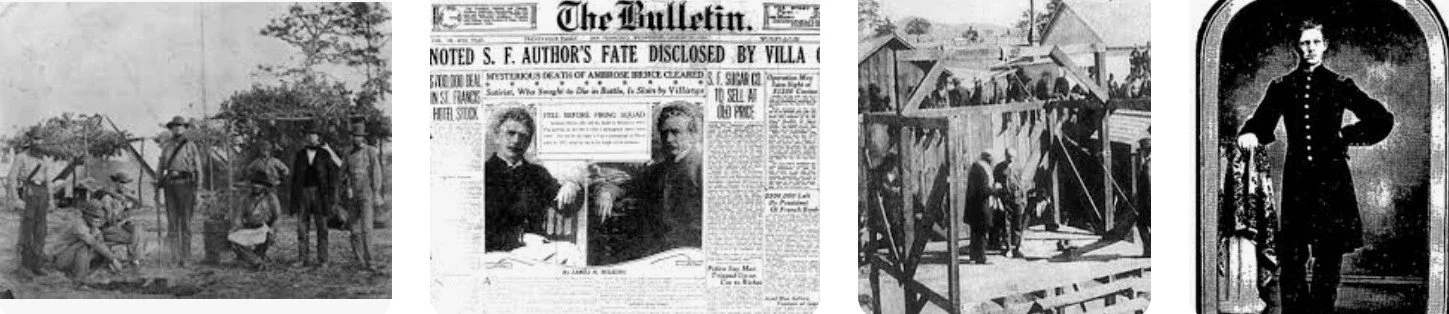
Yet despite his literary accomplishments, Ambrose Bierce is remembered just as much for the mystery surrounding his disappearance.
In 1913, at the age of seventy-one, Bierce traveled through the American Southwest and into Mexico during the Mexican Revolution. He continued corresponding with friends and family as he followed revolutionary forces through the country.
Then the letters stopped.
The last known communication believed to be from Bierce was sent near the end of 1913. After that, he vanished completely.
No verified records of his death were ever found.
Numerous theories have emerged over the years. Some believe he was executed during the revolution. Others suggest he died from illness, violence, or an accident while traveling through remote regions. More imaginative theories claim he intentionally disappeared or sought to become part of the very mysteries he spent a lifetime writing about.
More than a century later, no one knows exactly what happened.
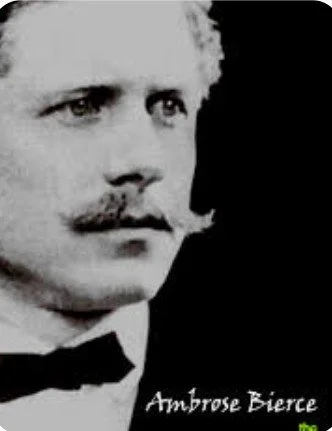
Ambrose Bierce left behind a remarkable body of work filled with war, horror, satire, and psychological intrigue. Yet his greatest story may be the one he never finished himself.
The final chapter of Ambrose Bierce remains unwritten.
FEATURED WORKS OF AMBROSE BIERCE
The Devil's Dictionary (1906)
A satirical collection of cynical, witty, and often dark definitions of common words. This remains Bierce's most famous work.
An Occurrence at Owl Creek Bridge (1890)
Perhaps his most celebrated short story. A Civil War tale that blends reality, illusion, and psychological suspense.
Chickamauga (1889)
A haunting Civil War story told through the eyes of a young child.
The Damned Thing (1893)
A classic weird-fiction tale involving an unseen creature and unexplained terror.
The Death of Halpin Frayser (1891)
A supernatural horror story involving dreams, death, and the undead.
The Boarded Window (1891)
One of Bierce's most unsettling frontier horror stories.
Can Such Things Be? (1893)
A collection of supernatural and strange tales.
Tales of Soldiers and Civilians (1891)
A collection of Civil War and psychological horror stories.