
Don't Fear The Reaper
The Story Behind "(Don't Fear) The Reaper"
A Haunting Melody, Endless Debate, and One of Rock's Biggest Misconceptions
Released in 1976 on the album Agents of Fortune, "(Don't Fear) The Reaper" became Blue Öyster Cult's biggest hit and remains one of the defining songs of classic rock. Its haunting melody, unforgettable guitar riff, and mysterious lyrics have sparked debate for nearly fifty years. Many listeners have misunderstood what the song was actually trying to say.
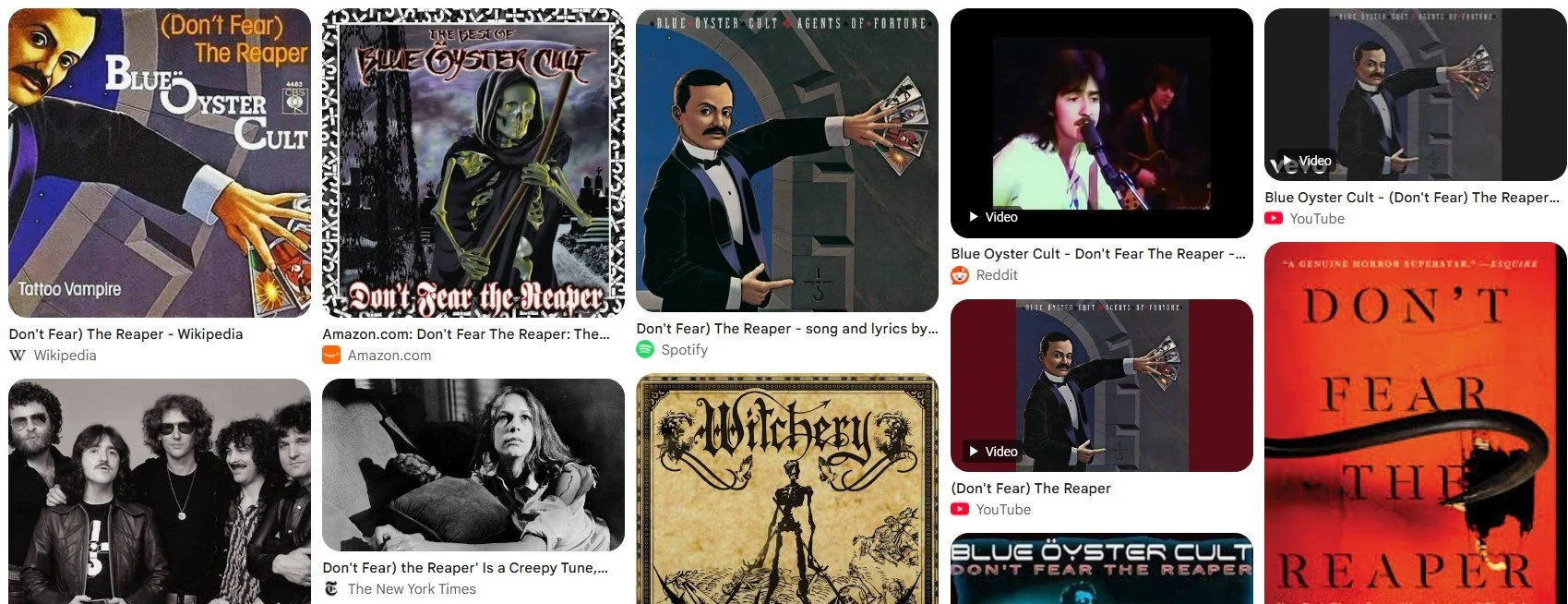
Many listeners have interpreted the song as encouraging suicide, but songwriter and lead guitarist Donald "Buck Dharma" Roeser has repeatedly explained that this was never his intention. Instead, the song explores a simple but profound idea: death is inevitable, so we should cherish love rather than live in fear of what cannot be avoided.
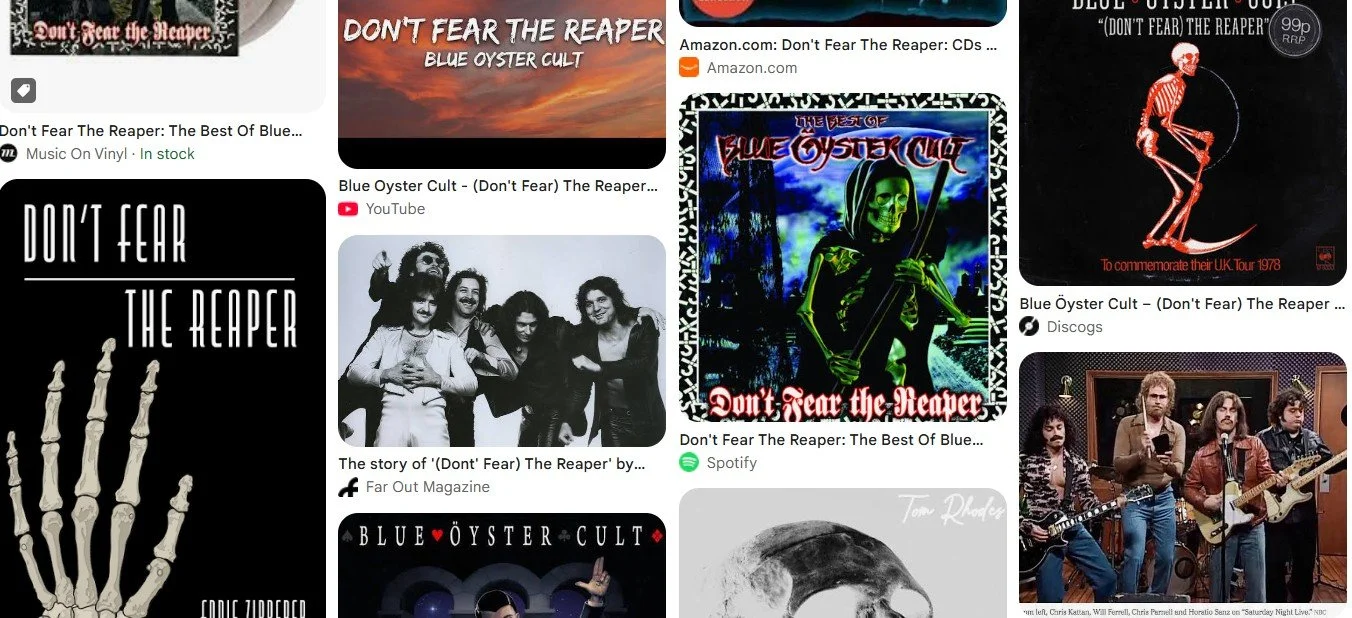
The lyrics reference famous lovers such as Romeo and Juliet, reminding us that love often outlives those who experience it. Rather than glorifying death, the song reflects on mortality and the hope that meaningful relationships transcend our limited time on Earth.
Musically, the track is equally remarkable. The instantly recognizable opening guitar figure is deceptively simple, creating a haunting atmosphere before the vocals even begin. Combined with layered harmonies and one of rock's most memorable guitar solos, the song has remained a staple of classic rock radio for generations.
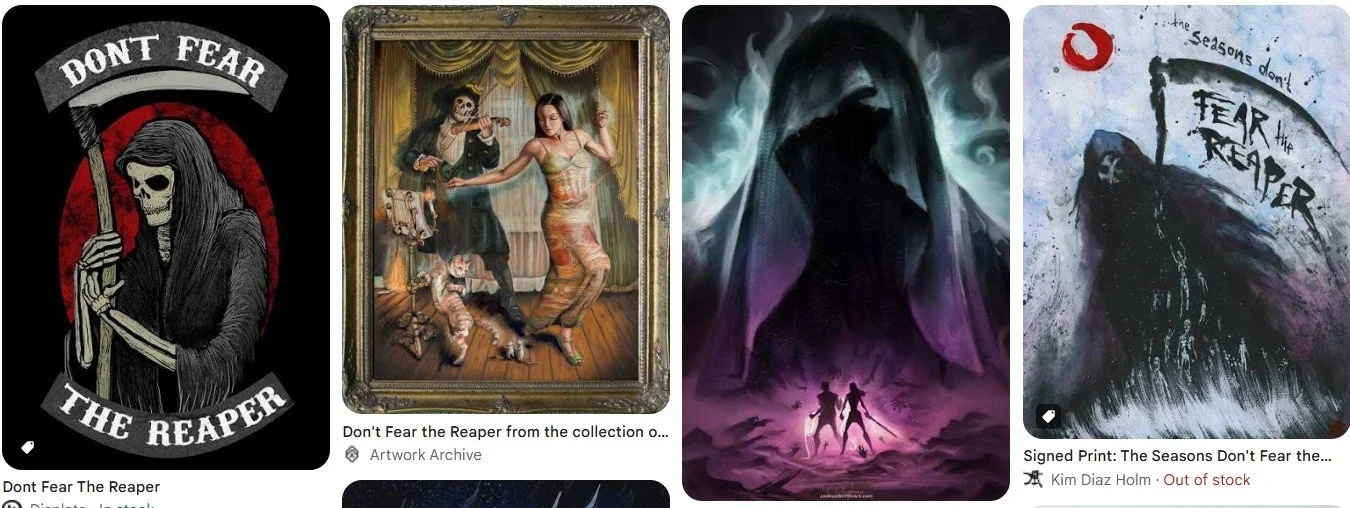
Of course, the song also gained a second life through popular culture. In 2000, the famous "More Cowbell" comedy sketch on Saturday Night Live introduced it to an entirely new generation. While the sketch became legendary, it also reminded audiences just how timeless the original recording really is.

Nearly five decades after its release, "(Don't Fear) The Reaper" continues to resonate because it asks a question every generation eventually faces: If death is certain, shouldn't we spend our lives embracing love rather than fearing the inevitable?
Sometimes the greatest songs don't provide answers — they simply give us something worth thinking about.