
Robert Louis Stevenson Jekyll and Hyde
The Gentleman Who Wrote Humanity’s Shadow
The Man Who Turned Human Nature Into Horror
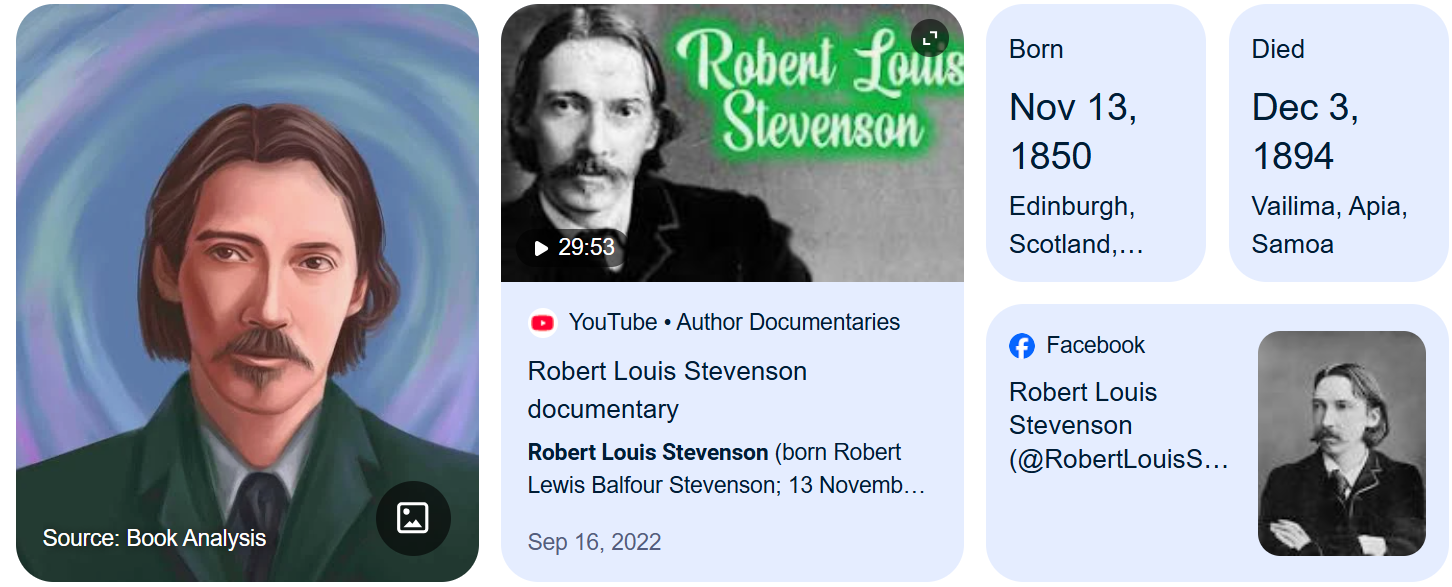
Few writers have shaped Gothic literature as quietly — and as powerfully — as Robert Louis Stevenson. Though many know him for adventure classics like Treasure Island, his most enduring psychological work remains The Strange Case of Dr Jekyll and Mr. Hyde (1886), a story that explores something far darker than monsters: the divided nature of the human self.
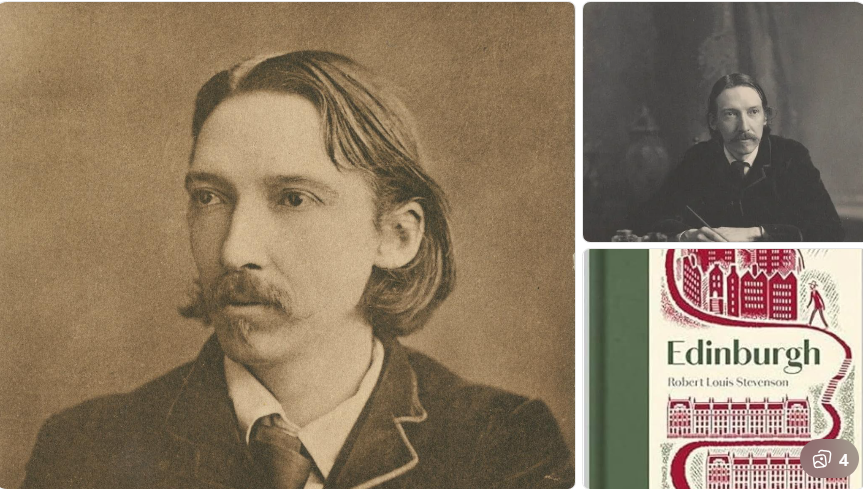
Born in Edinburgh in 1850, Stevenson was often plagued by poor health, which forced him into long periods of isolation and reflection. Rather than weakening his imagination, those years sharpened it. He became fascinated with morality, social masks, and the tension between public respectability and private desire — themes that would later define his Gothic masterpiece.
Stevenson traveled widely throughout France, United States, and eventually settled in Samoa, where he spent his final years writing stories that blended adventure with psychological insight. Despite his adventurous reputation, he was deeply interested in moral ambiguity and the fragile boundaries of identity.
The Birth of Dr Jekyll and Mr. Hyde
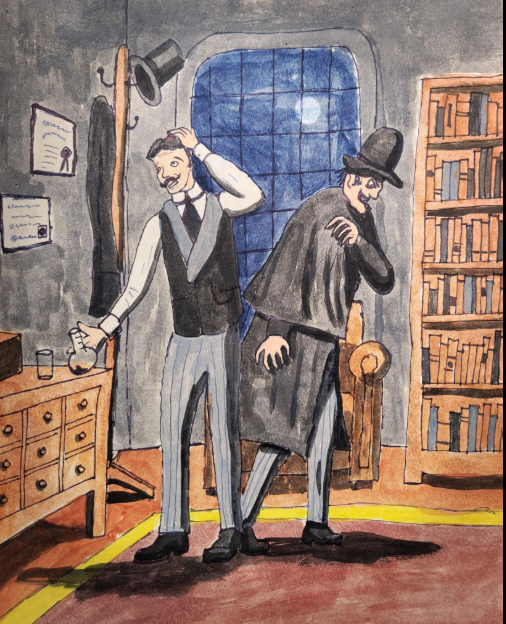
Published in 1886, the novella quickly became a sensation. It was brief, intense, and unsettling — a Gothic story without ghosts, where the true horror emerged from human nature itself. The tale follows respectable scientist Dr. Henry Jekyll, who creates a potion allowing him to separate his darker impulses into a second identity: Edward Hyde.
What makes the story enduring isn’t the transformation itself, but what it suggests: that good and evil are not separate beings but coexist inside one person. In fog-shrouded London, Stevenson created a setting that mirrors psychological uncertainty — dim streets, hidden doors, and respectable façades concealing darker realities.
Unlike earlier Gothic works that relied on supernatural monsters, Stevenson’s horror is internal. Hyde is not a ghost or demon; he is the unchecked self. This psychological focus helped shape modern horror and even influenced early ideas about identity and duality that later appeared in psychology and popular culture.
Why It Still Feels Modern
The expression “Jekyll and Hyde” has become universal shorthand for inner contradiction — proof that the story’s core idea transcended literature. It speaks to modern fears: reputation versus reality, morality versus desire, science versus ethics.
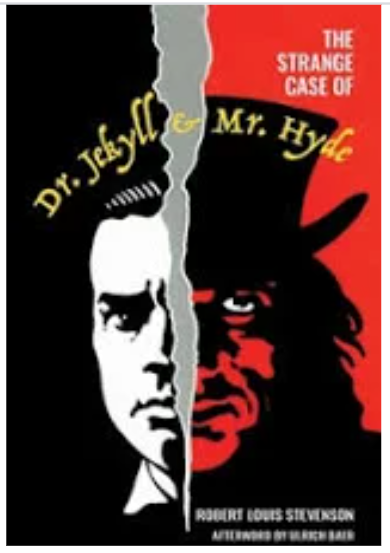
Stevenson’s genius lies in restraint. The novella is spare, almost clinical, which makes its horror feel disturbingly believable. The monster is not external. It is human.
Legacy
Though Stevenson died young at age 44, his work continues to resonate because he understood a truth that Gothic fiction often circles around: darkness is not something outside us — it walks beside us, quietly, wearing a familiar face.
#RobertLouisStevenson #DrJekyllAndMrHyde #GothicLiterature #VictorianGothic #ClassicLiterature #DarkAcademia #LiteraryHistory #PsychologicalHorror #VictorianLondon #BookHistory #LiteraryShorts #GothicClassic #Storytelling #ClassicBooks #LiteratureLovers