
City That Still Dreams in Water
Beneath Mexico City, the drowned bones of Tenochtitlan breathe
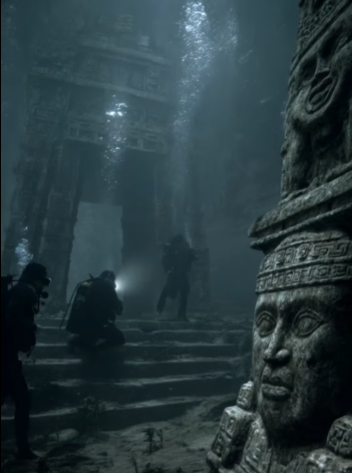
Beneath the traffic and cathedral bells of Mexico City lies another metropolis — the drowned heart of Tenochtitlan, capital of the Aztec world. Built on islands within Lake Texcoco, the city was once laced with canals and causeways that shimmered like mirrors. After the Spanish conquest the waters were slowly drained, yet the ground never forgot its origin. Streets sink a little more each year, and archaeologists still pull temples, carved serpents, and votive offerings from the dark, wet soil beneath ordinary houses.
Locals have long spoken of the lake remembering what was taken from it. Colonial chronicles describe fishermen hearing phantom drums at night and church bells tolling where no church stands. Whether those sounds are only wind moving through flooded foundations or something older is uncertain, but the truth is haunting enough: an empire still sleeping below the modern capital, its stones breathing through centuries of mud and water.
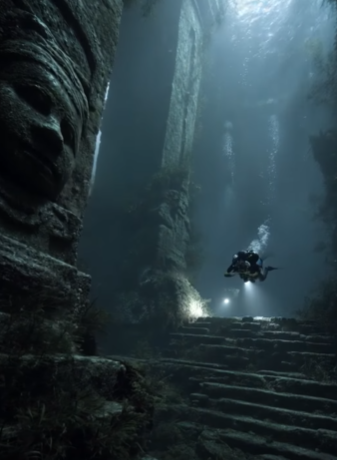
When the Mexica people founded Tenochtitlan in 1325, they did so on a small island in the shallow waters of Lake Texcoco. What seemed like an unlikely place for a capital soon became one of the most remarkable cities in the world. Causeways connected the island to the mainland, canals flowed through neighborhoods like streets of water, and gardens known as chinampas floated on the lake’s surface, producing food for hundreds of thousands of residents.
Spanish conquistadors who first saw the city in the early sixteenth century compared it to Venice. Markets bustled with traders from distant regions. Temples towered above plazas filled with incense and ritual. The lake reflected the sky, giving the city the appearance of floating between earth and heaven.
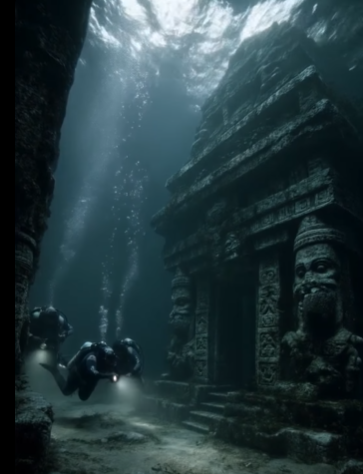
But the city’s fate changed in 1521 when Spanish forces under Hernán Cortés besieged and destroyed Tenochtitlan. In the years that followed, colonial authorities began draining Lake Texcoco in an attempt to prevent flooding and reshape the region according to European urban designs. Churches, government buildings, and homes rose on top of the ruins of the Aztec capital.
Yet draining a lake does not erase it. Beneath the modern streets of Mexico City lies soft sediment that was once the lakebed. The ground slowly compresses under the immense weight of the metropolis above it, causing buildings to tilt and sink. The great Metropolitan Cathedral itself leans unevenly after centuries of settling into the mud.
For archaeologists, the city is an endless excavation. Nearly every construction project in Mexico City reveals fragments of the ancient world below. Stone sculptures, ceremonial knives, masks, and temple foundations appear beneath sidewalks and apartment blocks. The famous Templo Mayor, once the spiritual center of Tenochtitlan, was rediscovered in 1978 after workers accidentally uncovered a massive carved disk depicting the moon goddess Coyolxauhqui.
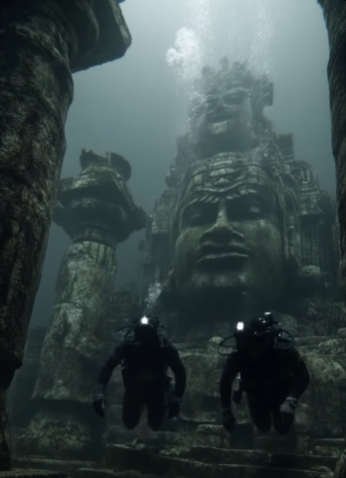
Even today, discoveries continue to emerge from the saturated earth. Offerings of jade, obsidian blades, animal remains, and intricate figurines have been recovered from waterlogged layers that preserved them for centuries. Each artifact tells a small part of the story of the Mexica civilization and the city that once dominated the Valley of Mexico.
But the physical remains are only part of the legend. Many residents of Mexico City still speak of the lake as if it were a living presence beneath their feet. Old stories claim that the water occasionally returns in dreams, or that the ground murmurs during heavy rains. Some neighborhoods flood unexpectedly, reminding people that the ancient lake has never entirely vanished.
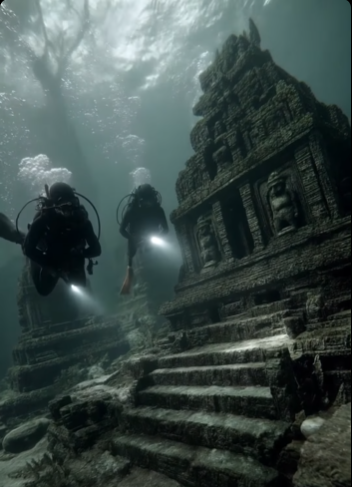
Perhaps the most haunting thought is that Tenochtitlan was not merely destroyed—it was buried alive beneath the city that replaced it. Beneath asphalt, subway tunnels, and concrete towers lies a vast archaeological memory waiting patiently in the dark.
Mexico City may be one of the largest modern capitals on Earth, but it is also something stranger: a city built upon the quiet breathing of another civilization. Beneath every street and plaza, the drowned bones of Tenochtitlan remain, dreaming slowly in the water that once carried its canoes.
And sometimes, when the ground sinks a little deeper or a temple wall emerges from the mud, it feels as if the ancient city is stirring—reminding the modern world that the past never truly disappears. It only waits beneath the surface.
#GothicDustDiaries #SunkenCities #Tenochtitlan #MexicoCityHistory #AztecEmpire #LostCivilizations #AncientMysteries #HiddenHistory #BuriedCities #Archaeology #ForgottenWorlds #HistoricalMysteries