
Seeds in the Wind
The Orphan Trains and the Long Map of Lost Names of Children
https://youtube.com/shorts/JwabkxVBJig
Between the Civil War and the first years of the Great Depression, trains left the crowded streets of New York carrying a quieter cargo than grain or cattle—children with cardboard tags tied to their coats. They were called the Orphan Trains, though many riders were not orphans at all. Some had lost parents to disease, while others came from families crushed by poverty, illness, or circumstances that made caring for them impossible.
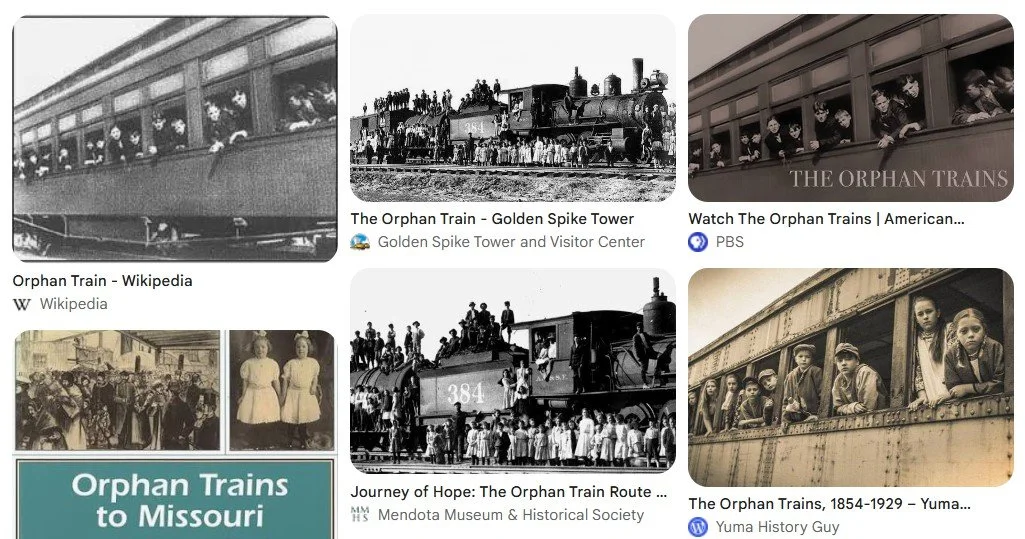
Beginning in 1854, the Children's Aid Society launched what would become the largest organized child relocation effort in American history. Over the next seventy-five years, an estimated 200,000 children traveled westward by rail, leaving behind the only lives they had ever known in search of homes and opportunities they could scarcely imagine.
At whistle-stops across the Midwest, families gathered to meet the trains. Sometimes a brief conversation was all that separated one child's future from another's. Some children found loving homes, new surnames, and families who embraced them as their own. Others discovered that the promise of "adoption" could become years of unpaid labor, loneliness, and silence about the past.
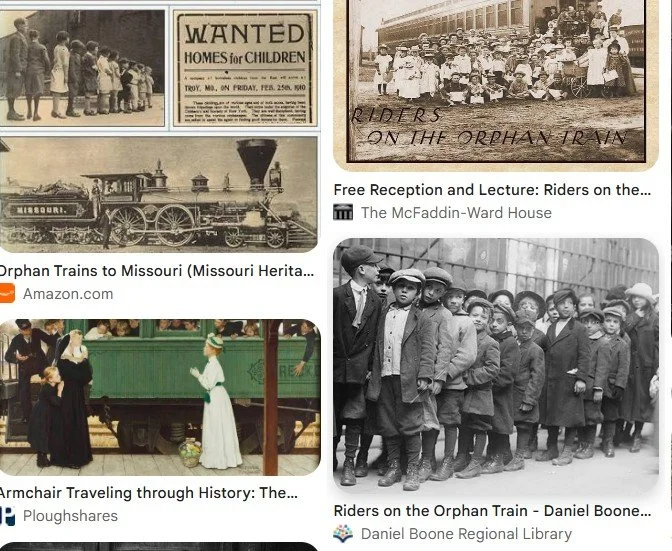
Brothers and sisters were often separated. Records were incomplete, and many children grew into adulthood knowing little about where they had come from or who their parents had been. Generations later, descendants continue searching through faded photographs, church records, railroad documents, and family Bibles, hoping to reconnect branches of family trees that were broken more than a century ago.
The Orphan Train movement was born from compassion. Reformers believed children deserved opportunities beyond the poverty and overcrowded tenements of eastern cities. For thousands, that hope became reality. They grew into teachers, farmers, business owners, parents, and grandparents whose lives may have taken a far darker path had they remained where they were.
Yet history rarely offers simple endings.
The same program that rescued many children also left others vulnerable to exploitation. Standards for adoption varied widely, oversight was often limited, and not every family welcomed a child with kindness. Like so many chapters of history, the Orphan Trains reveal both humanity's capacity for generosity and its imperfections.
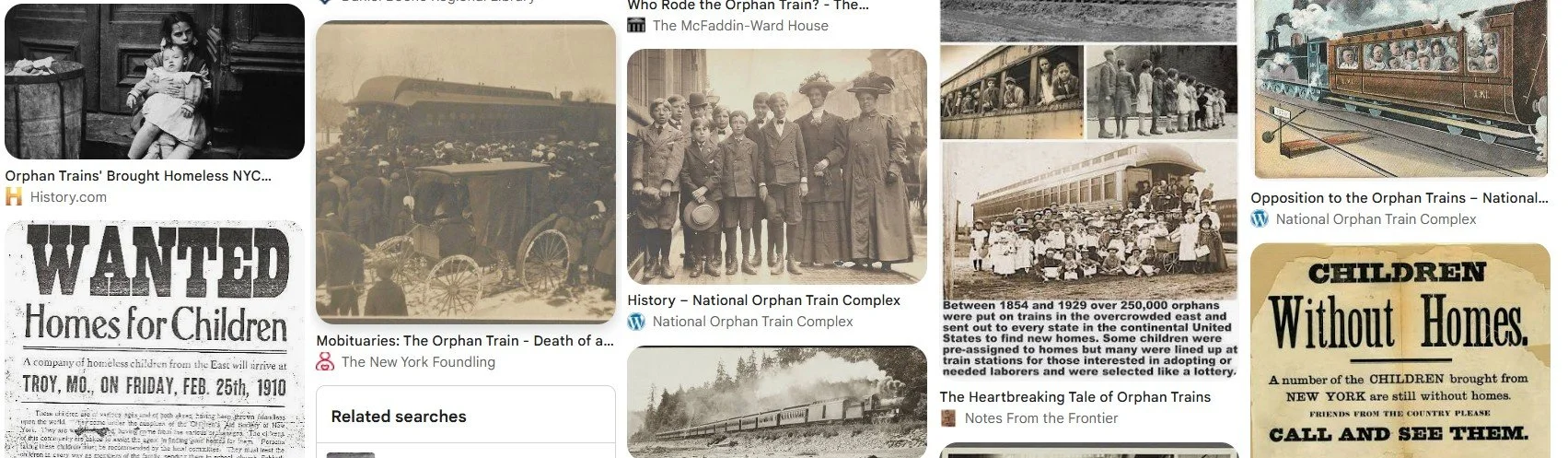
Today, the railroad depots have grown quiet, and the cardboard tags have long since disappeared. Yet across America, countless family histories still begin with a child stepping off a train carrying little more than hope.
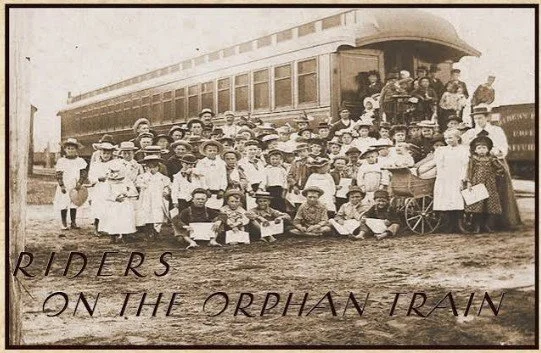
The Orphan Trains were meant to rescue children from city poverty, yet they scattered them like seeds in unfamiliar soil. Some took root and flourished. Others struggled against difficult ground. Together they left behind a long corridor of unanswered letters, forgotten photographs, and names nearly lost to history—a reminder that even the best intentions can shape lives in ways no one could fully foresee.
Some stories ended in warmth.
Others in hardship.
But every child who stepped onto those trains became part of a forgotten journey that helped shape America, one destination at a time.