
From Relic to Craft
Beauty That Never Fades - Some materials never fully leave history.
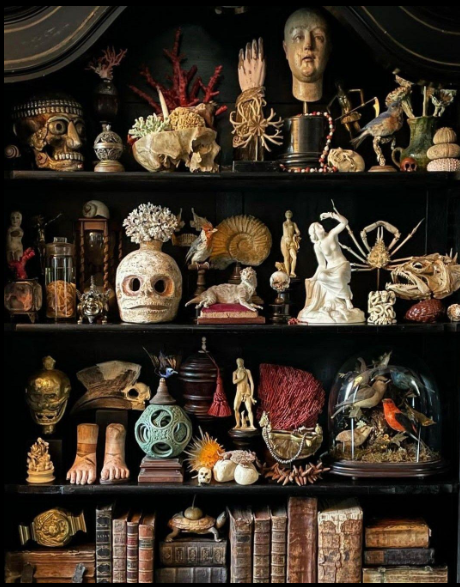
Long before modern craft markets and curated curiosities, bone occupied a strange place between necessity and symbolism. It was practical, certainly — carved into needles, buttons, combs, handles, and tools — but it also carried meaning. In many older cultures, bone retained a sense of memory, as though the form of a living thing still held some faint residue of story after flesh had vanished.
Victorian mourning culture understood this instinct well. Hair jewelry is often remembered first, yet bone and ivory were equally present in smaller objects meant to endure beyond a lifetime: carved pendants, rosary fragments, reliquaries, sewing implements, and miniature keepsakes. In earlier periods, carved bone appeared in rosaries, devotional pieces, gaming counters, knife handles, and amulets — ordinary objects made from what remained after usefulness had already been extracted once.
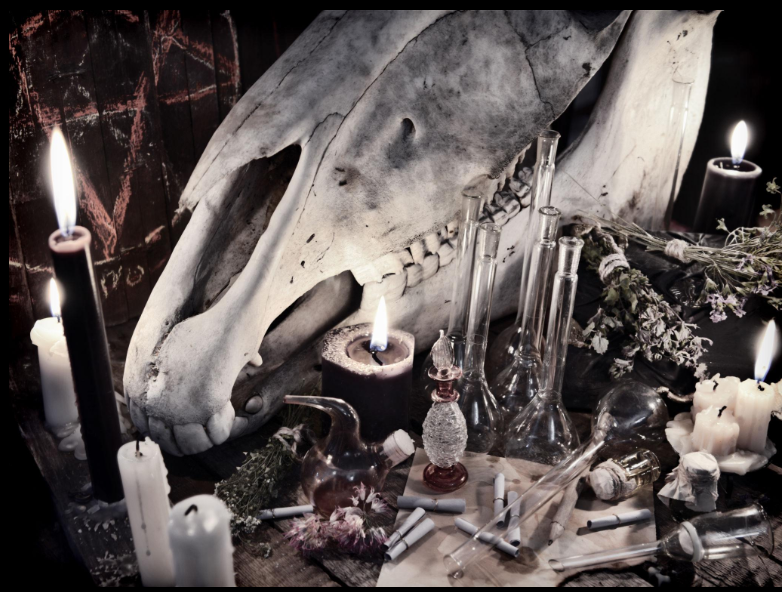
Bone was rarely treated as grotesque in older domestic life. It belonged to kitchens, workshops, apothecaries, and field tables. A cleaned bird bone, a carved rib, or a polished vertebra could pass quietly into ornament because earlier generations lived closer to material transformation than we do now.
That same old logic survives in modern craft, especially among those drawn to natural materials that still carry form and structure without pretending to be polished perfection. A small vertebra, a wishbone, or a delicate avian fragment can become jewelry, an object for assemblage, or simply a preserved study in texture.
The preparation itself is less dramatic than many imagine: gentle simmering rather than harsh boiling, patient degreasing, hydrogen peroxide rather than bleach, and complete drying before any sealing or drilling. The goal is not to erase the natural character of the bone, but to preserve it without weakening what makes it distinct.
The older world would not have found this unusual. Useful things were cleaned, kept, shaped, and reused. Bone simply belonged to that cycle.
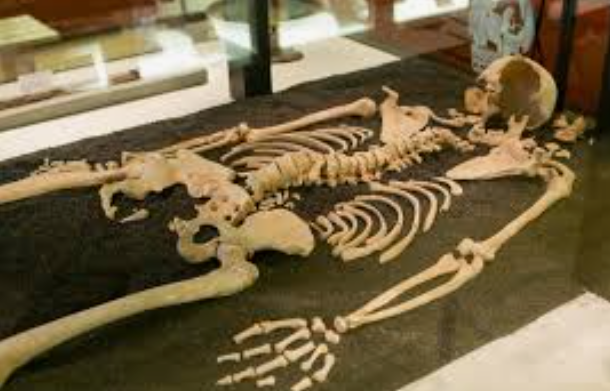
Modern science has only deepened that old fascination. To a trained eye, bone is not silent at all. Skeletal structure can reveal whether remains belonged to a man, woman, or child, suggest approximate age, stature, long-term labor, illness, injury, and even patterns of nourishment or deprivation. In forensic reconstruction, facial structure can be approximated from skull measurements, allowing specialists to build a likeness of someone long absent from memory. Trauma preserved in bone may also speak long after death — a fracture, a blade mark, repeated strain, or the angle of injury can help determine not only how a person lived, but sometimes how life ended, and in certain cases, point investigators toward the hand that caused it.
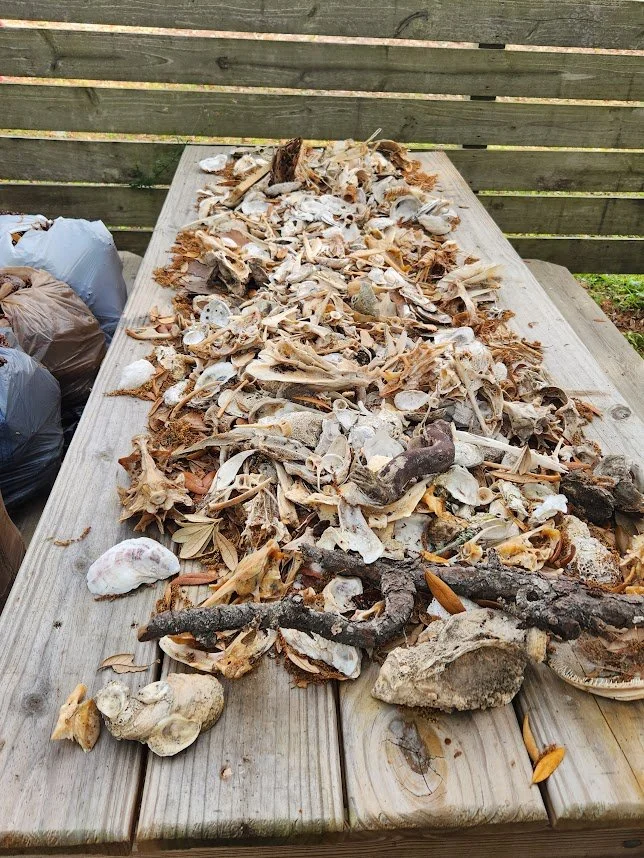
Along certain stretches of the Florida coast, shells and small bones still gather in surprising abundance after tide and weather shift the shoreline. Some are kept simply because form itself invites study — vertebrae, fragments, delicate bird bones, shell interiors worn smooth by salt and time. A small collection such as this often begins without fixed purpose, yet many pieces are quietly set aside for future use: perhaps as ornament, perhaps as crafted detail, perhaps as part of objects not yet fully imagined but already waiting in material form. Today whether set into a pendant, stored in a cabinet of curiosities, or reserved for later work, a prepared bone still carries something older than trend — a reminder that even the smallest remains once moved through life before entering another form.
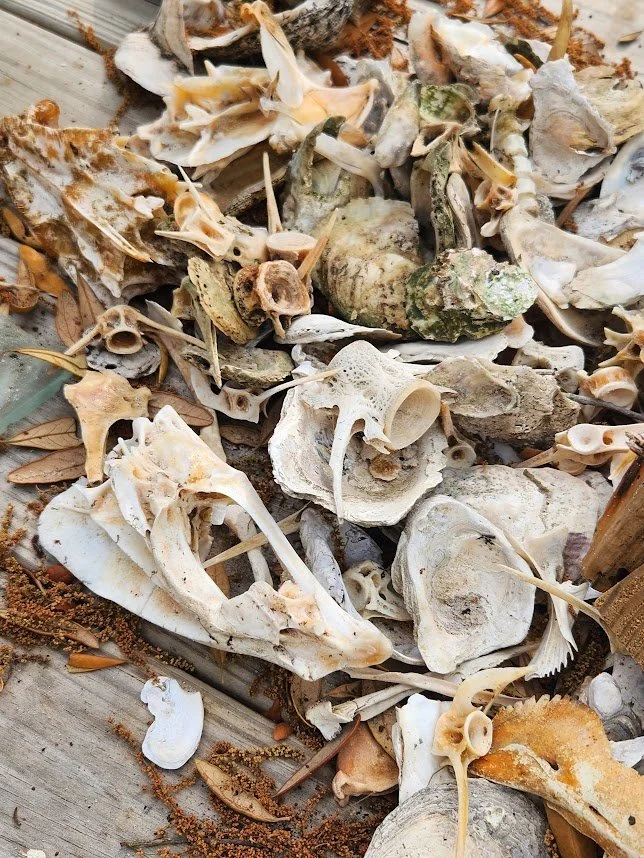
And perhaps that is why such objects continue to draw certain hands: not for spectacle, but because they suggest that nothing fully disappears, only changes use.