
Dragons, omens, and the ancient fear of a darkened sky
There was a time when the sudden disappearance of the sun was not simply an astronomical event. It was a warning, a battle in the heavens, or a sign that the natural order had been disturbed.
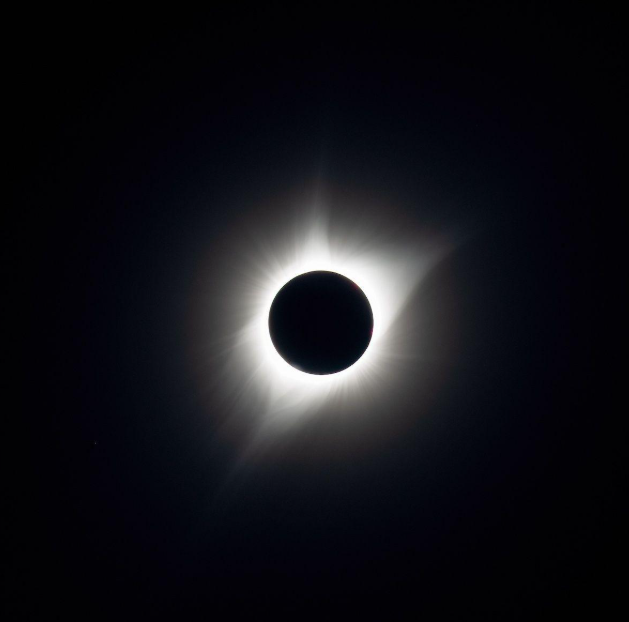
Imagine standing beneath a bright afternoon sky when the light begins to fade. Shadows grow strange. The air seems different. The sun, which has risen faithfully every morning of your life, is slowly consumed by darkness.
Today, we understand a solar eclipse as the Moon passing between Earth and the Sun, obscuring the Sun from view. But for ancient observers who lacked that explanation, the spectacle could be terrifying.
Across cultures, people developed stories to explain what was happening above them. In some traditions, a monstrous creature was devouring the sun. In others, celestial beings were in conflict, or the heavens were delivering a message to those below.
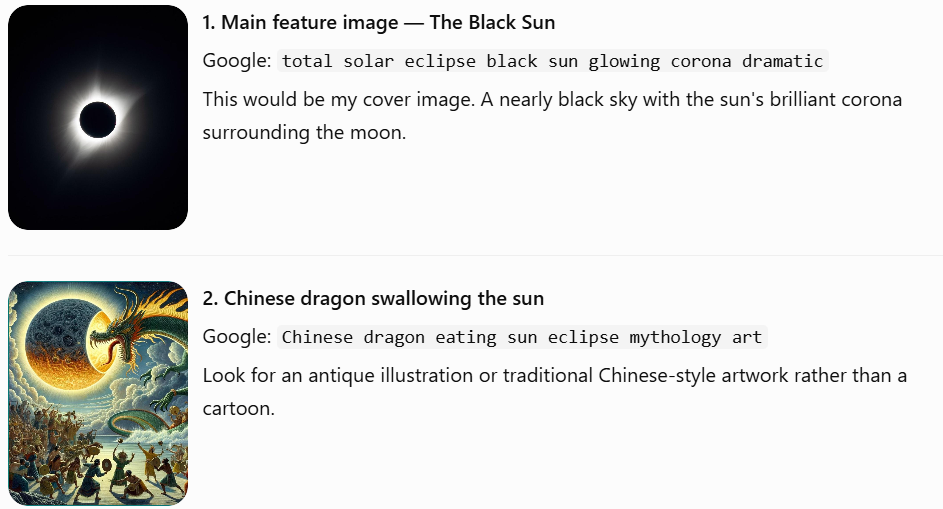
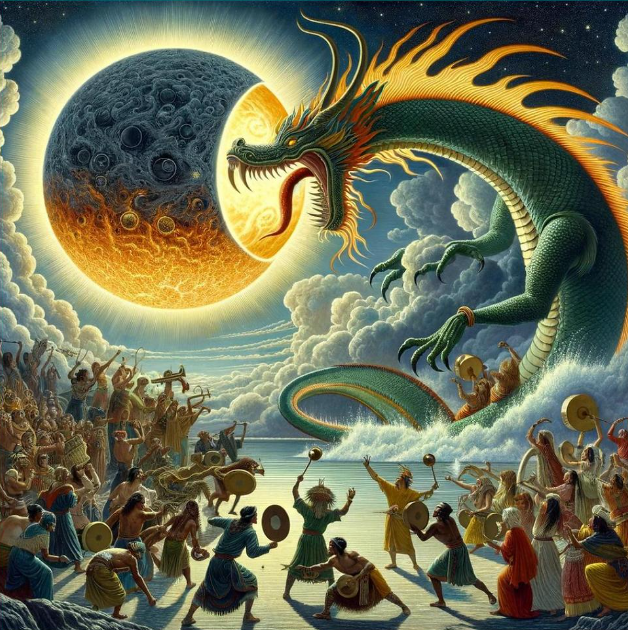
In Chinese eclipse lore, a dragon was sometimes said to swallow the sun. The image was powerful: a heavenly creature consuming the very source of daylight. Noise-making traditions associated with frightening away the creature became part of popular accounts of eclipse folklore.
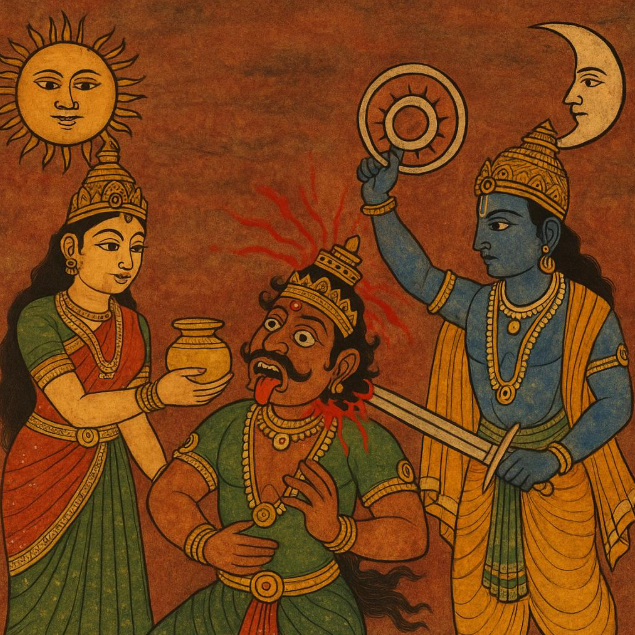
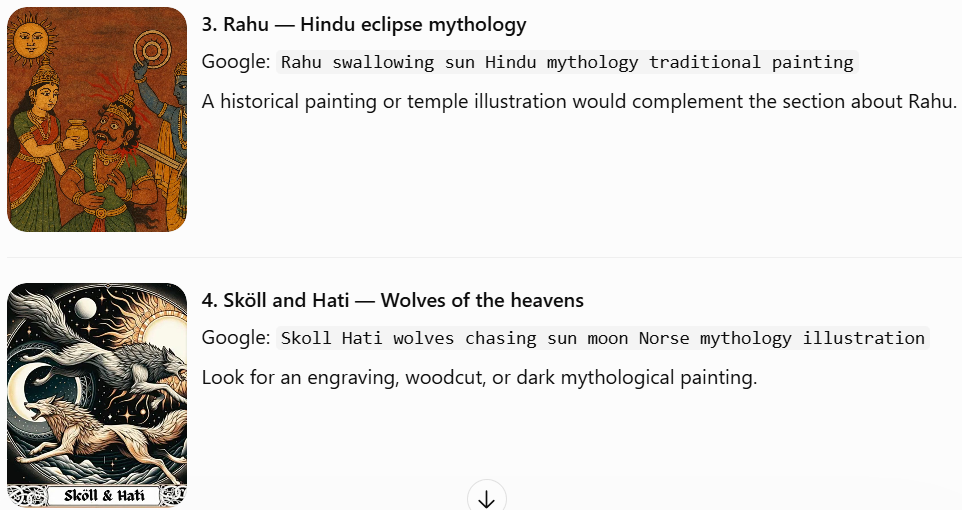
In Hindu mythology, the story of Rahu offers another explanation. Rahu, a being whose head was severed after obtaining the nectar of immortality, pursues the Sun and Moon and periodically swallows them. Because Rahu has no body, the celestial lights eventually reappear.
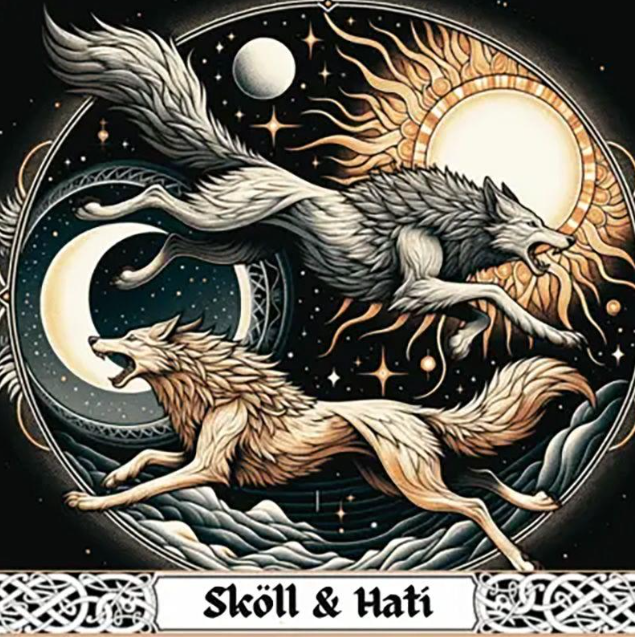
Norse mythology presents a different image. The wolves Sköll and Hati pursue the Sun and Moon across the sky. Their pursuit is woven into a larger cosmic drama in which the heavens themselves are not beyond danger.
These stories differed in their characters and meanings, yet they shared a striking idea: the light of the world was vulnerable.
But eclipses were not understood only through myth.
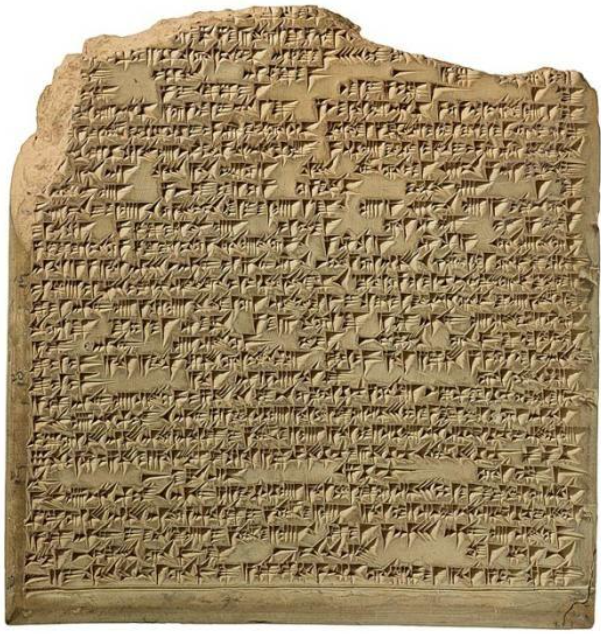
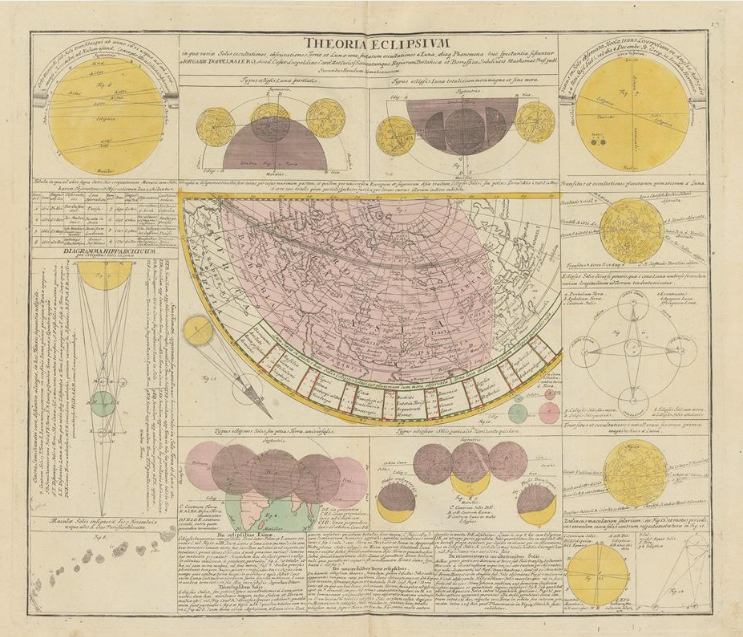
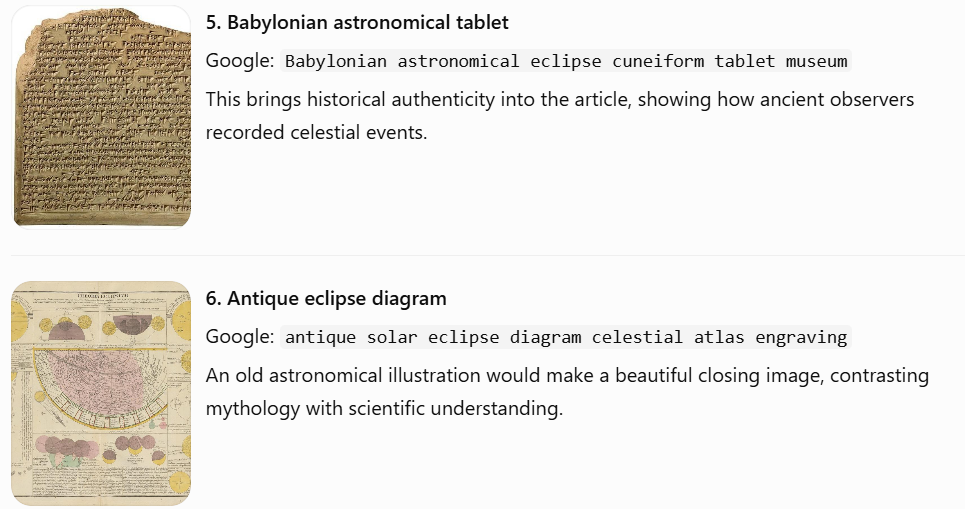
Ancient astronomers also observed the sky with extraordinary patience. By recording repeated celestial events, some civilizations recognized patterns that allowed eclipses to be anticipated. Babylonian astronomers, for example, developed sophisticated methods of tracking lunar cycles and predicting eclipse possibilities.
Mythology and observation could exist side by side. Knowing that an eclipse might occur did not necessarily remove its religious, political, or symbolic significance.
A darkened sun could still be interpreted as an omen for a ruler, a kingdom, or an approaching upheaval.
Perhaps that is what makes these ancient accounts so compelling. They remind us that the same event can be viewed through entirely different lenses: fear, faith, curiosity, and scientific inquiry.
The sun was never truly swallowed. The Moon merely crossed its path.
Yet for a few extraordinary moments, the world appeared to lose its most dependable light.
And from that darkness came stories that survived for centuries.
#GothicDustDiaries #Echoes #Celestial #AncientAstronomy #SolarEclipse #EclipseLegends #Mythology #AncientCivilizations #ForgottenHistory #Folklore