
Where the Gulf Watches Back
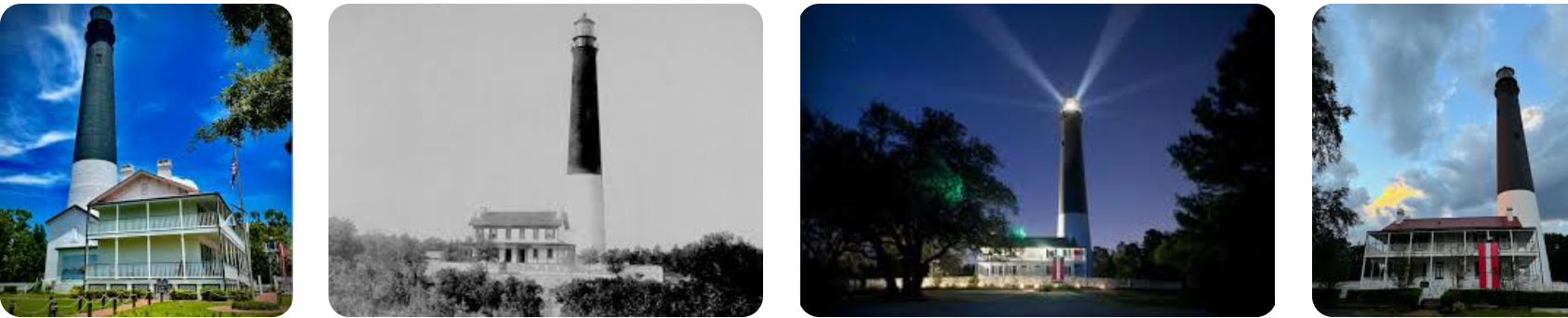
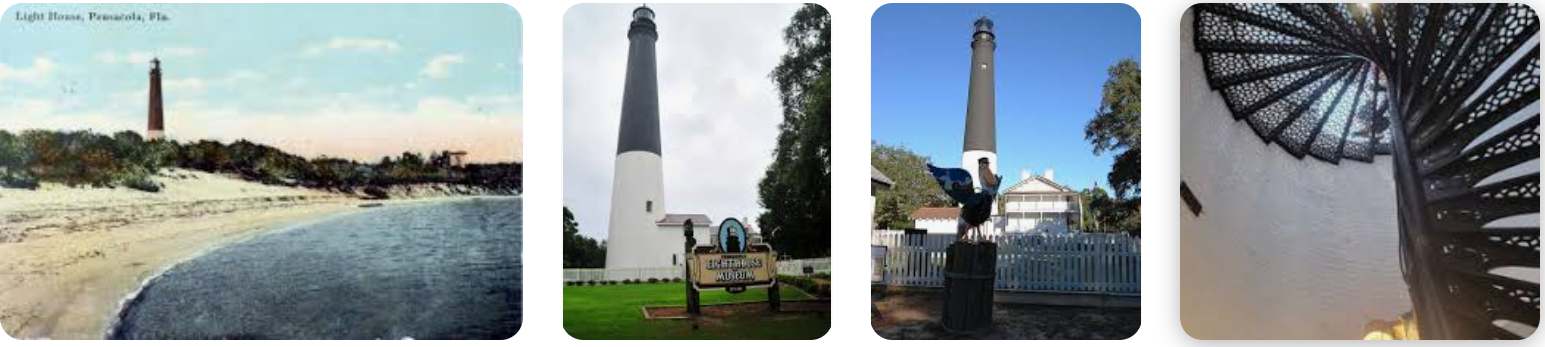
Along the far western edge of Florida’s panhandle, where the Gulf breathes against white sand and the wind carries the smell of salt and iron, a tall sentinel rises above Pensacola Bay. The Pensacola Lighthouse, first lit in 1859, stands 177 feet above the restless water — a narrow black tower with a watchful eye that has guided sailors for more than a century and a half.
But lighthouses are never merely architecture.
They are places of vigil.
Places of endurance.
And sometimes, places where the past refuses to remain quiet.
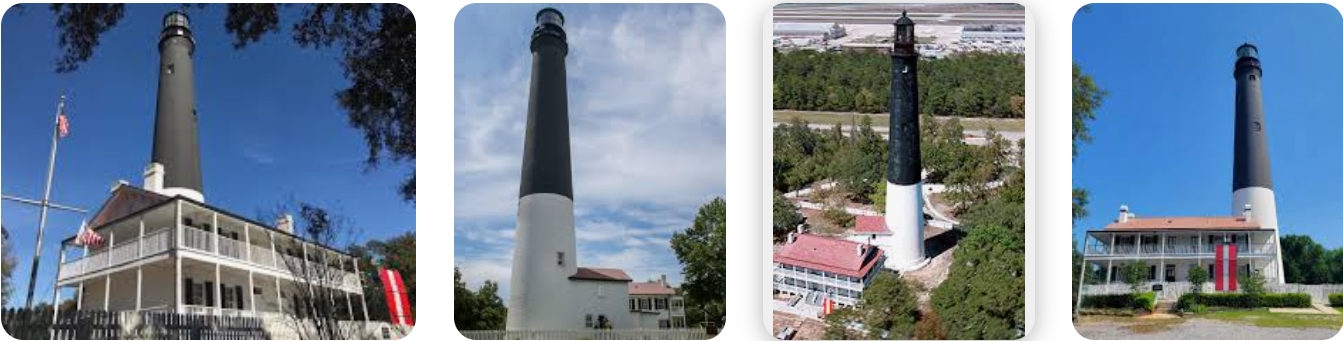
The story of Pensacola’s lighthouse begins long before ghost hunters and folklore. Built just before the American Civil War, the tower quickly found itself standing at the crossroads of conflict. When the war erupted in 1861, Confederate forces occupied the area while Union troops held nearby Fort Pickens across the bay. The lighthouse became a strategic point — its light extinguished to prevent Union ships from navigating the harbor safely.
For months, artillery fire thundered across the water as both sides struggled for control of Pensacola’s coastline. The quiet tower watched it all.
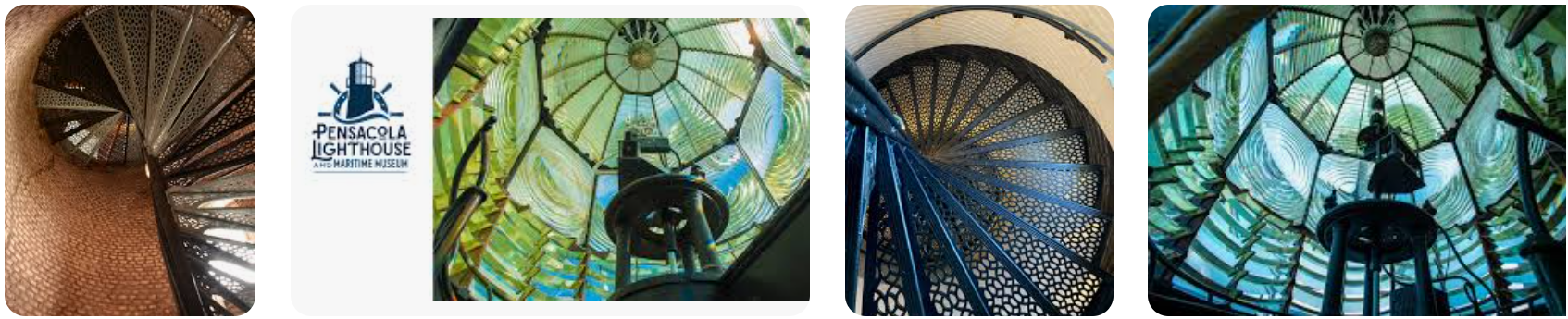
After the war ended, the lighthouse returned to its original purpose: guiding ships safely through the dark waters of the Gulf. Generations of keepers climbed the tower’s 177 steps to polish the great Fresnel lens, tend the lamp, and maintain the lonely watch that defined lighthouse life.
Isolation was part of the duty.
So was danger.
Storms battered the coast. Hurricanes tore through the Gulf. Ships sometimes vanished in the darkness beyond the horizon. Every lighthouse keeper understood that the beam they maintained might be the only thing standing between a vessel and the jagged shoals below.
Over time, stories began to circulate.
Visitors and staff at the lighthouse museum have reported footsteps echoing on the iron staircase long after closing hours. Some claim to hear doors closing in empty rooms or the faint sound of boots moving through the keeper’s quarters above the tower.
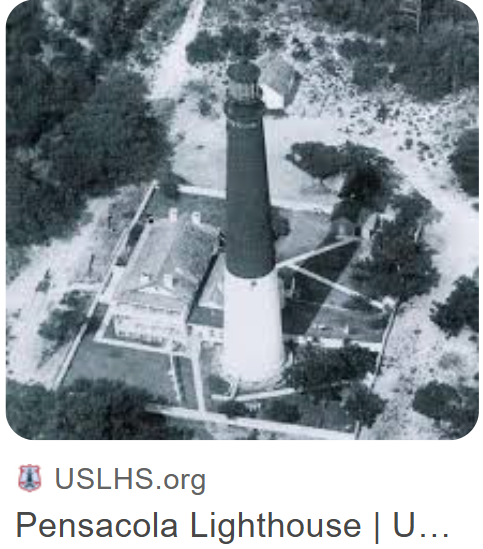
Others tell of the presence of a former lighthouse keeper, believed to still be watching over the tower he once tended. Paranormal investigators have spent nights inside the building and claim to have recorded unexplained voices, cold spots, and moving shadows that seem to drift along the spiral staircase.
Skeptics point to the building itself — old iron, shifting wood, and the endless wind that whistles off the Gulf — as possible explanations. Lighthouses are mechanical creatures after all, full of metal, vibration, and echoes.
Yet the stories persist.
Perhaps it is because lighthouses occupy a strange place in human imagination. They are symbols of safety and survival, but they are also reminders of the countless sailors who never made it home.
The Pensacola Lighthouse stands beside the Naval Air Station, where modern aircraft roar overhead and the famous Blue Angels carve bright arcs through the sky. The world around it has changed dramatically since the tower first rose above the shoreline.
But inside, the atmosphere remains remarkably unchanged.
Narrow iron steps spiral upward into shadow. The lantern room glows with filtered sunlight. And from the gallery balcony, the view stretches across the emerald waters of the Gulf, where ships still pass beneath the same guiding light.
Whether one believes the ghost stories or not, the lighthouse holds something undeniable: memory.
A place where war once echoed across the bay.
A place where solitary keepers once kept their nightly watch.
And perhaps, just perhaps, a place where the vigil never truly ended.
Some towers guide ships through the darkness.
Others keep watch over history itself.
And the Pensacola Lighthouse, standing against the Gulf wind, seems determined to do both.
#FloridaOddities #PensacolaLighthouse #FloridaHistory #HauntedFlorida #GulfCoastHistory #CivilWarHistory #MaritimeHistory #LighthouseLore #GhostStories #HauntedLighthouse #PensacolaFlorida #HistoricFlorida #TalesOfTheUnseen #CoastalLegends #GothicDustDiaries