
Forgotten Kitchen Alchemy
Preserved Lemons, Tepache, and the Old Art of Using Everything
https://youtube.com/shorts/JTcU_f7zKmI
Although this post was originally prepared for We Not Me Farms Ministries, there is something beautifully old-world about preserving lemons in salt jars and transforming discarded pineapple rinds into naturally fermented tepache. These forgotten kitchen rituals feel less like modern recipes and more like fragments of knowledge carried quietly through generations of candlelit kitchens, root cellars, and weathered homesteads.
——————————-
Modern society has become accustomed to throwing away what earlier generations would have carefully preserved, reused, or transformed into something valuable.
Pineapple rinds become tepache.
Lemons become preserved seasoning.
Herbs become teas.
Vegetable scraps become broth.
At We Not Me Farms Ministries, we believe practical knowledge and self-reliance often begin in the kitchen.
Preserved Lemons
Preserved lemons have been used for generations throughout North Africa and the Middle East. The process is surprisingly simple and requires little more than:
lemons,
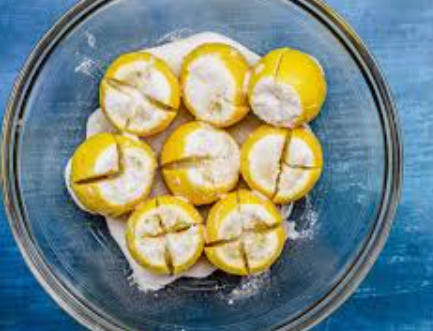
salt,
and time.
Basic Preserved Lemon Method
Ingredients:
4–6 lemons
coarse salt
extra lemon juice if needed
Instructions:
Wash lemons thoroughly.
Cut each lemon into quarters while leaving the base attached. DO NOT PEAL THE LEMONS
Pack salt heavily inside each lemon.
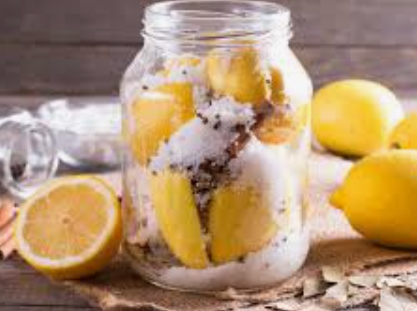
Press lemons tightly into a clean glass jar.
Add additional salt between layers.
Add fresh lemon juice until lemons remain submerged.
Leave at room temperature for several weeks, occasionally pressing lemons below the liquid.
Refrigerate once fermentation and softening begin.
Alternatives and Additions
Some people also add:
bay leaves,
peppercorns,
garlic,
rosemary,
or chili flakes.
A fermentation weight, clean shot glass, or smaller jar may be used to keep lemons submerged beneath the brine.
How to Use Preserved Lemons
The rind is usually the prized portion and can be:
finely chopped into rice dishes,
added to soups and stews,
mixed into dressings,
used with chicken or fish,
or blended into compound butters and spreads.
The flavor becomes intensely salty, citrusy, and deeply aromatic over time.
Tepache – Pineapple Peel Soda
Tepache is a traditional fermented pineapple drink with roots in Mexico. Historically, it was a practical way to use pineapple peels and cores rather than waste them.
The result is a lightly fermented, naturally carbonated drink often flavored with warm spices.
Basic Tepache Method
Ingredients:
pineapple peels and core
brown sugar or piloncillo
water
cinnamon stick
Optional:
ginger
cloves
lime
Instructions:
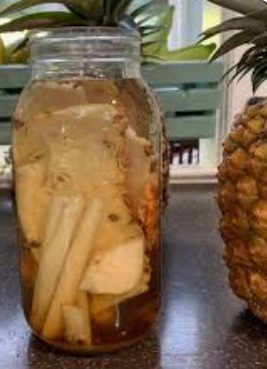
Place pineapple peels and core into a clean glass jar.
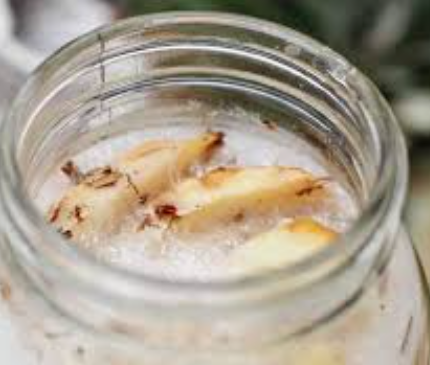
Add brown sugar and spices.
Cover with water.
Allow to ferment loosely covered for 2–4 days.
Strain liquid from solids.
Bottle and refrigerate, or allow a short second fermentation for additional carbonation.
Alternative Uses for the Peels
Even after fermentation, the peels may still be reused.
Some people:
simmer the leftover rinds into tea,
blend them into vinegar bases,
add them to compost,
or use them in natural cleaning solutions.
Boiling fermented pineapple peels creates a warm pineapple infusion with a softer, less carbonated flavor than tepache itself.
The Lost Skill of Using Everything
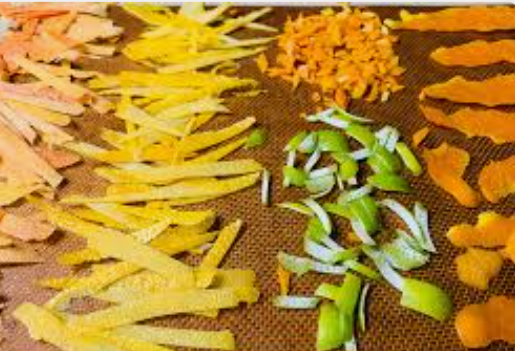
Older generations understood that resilience often came from waste reduction and creativity.
What modern kitchens discard:
peels,
rinds,
herbs,
stems,
and scraps,
once became:
teas,
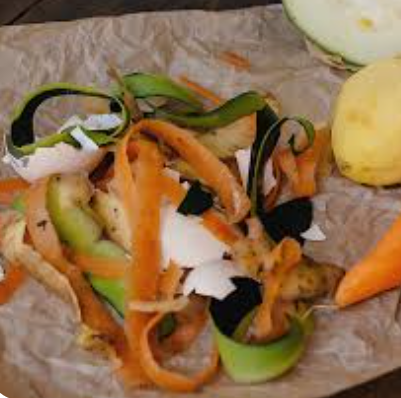
broths,
preserves,
medicines,
fermented drinks,
and winter food stores.
These traditions were not trends.
They were survival knowledge.
At We Not Me Farms Ministries, we believe relearning these simple skills reconnects people not only with food — but with stewardship, gratitude, and practical self-reliance.

Sometimes the most valuable lessons begin with the parts most people throw away.
Disclaimer:
Always properly research food preservation and fermentation methods before consumption. Use clean containers, monitor for spoilage, and discard any preparation showing mold, foul odor, or signs of contamination. This article is intended for educational and informational purposes only.