
Shadows Before the Cathedral of Goth 🕯️🎵
https://youtube.com/shorts/gitSY3vDXhc
Before gothic rock had a name, before black velvet became uniform, and before cathedral echoes filled underground clubs, Joy Division had already built the architecture.
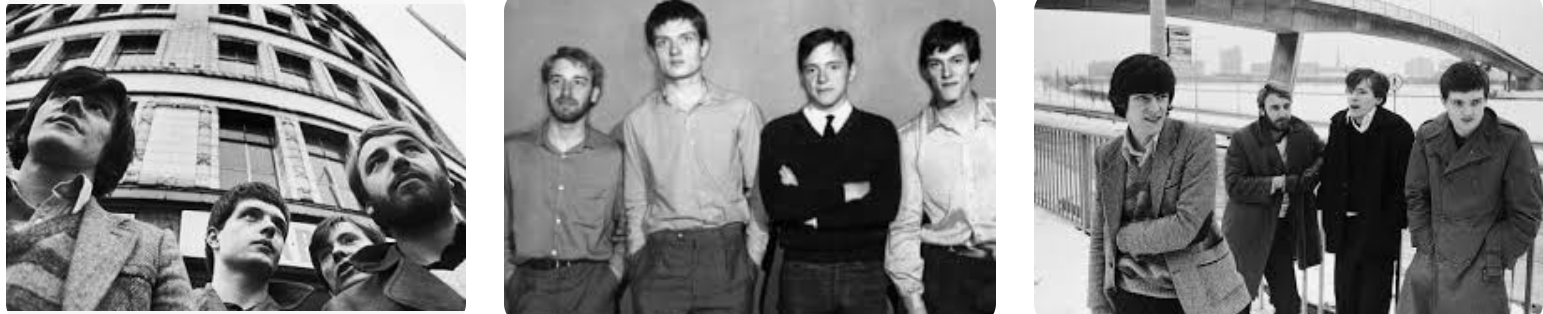
Formed in 1976 in Salford, the band emerged from the industrial north of England — a landscape of concrete, factory smoke, and urban bleakness that would become inseparable from their sound. Their music did not merely reflect that environment; it seemed to absorb it, turning steel, distance, and emotional fracture into rhythm.
At the center stood Ian Curtis, whose voice carried something unusual even within the post-punk explosion of the late 1970s: not theatrical darkness, but controlled collapse. His delivery often sounded as though he were reporting from somewhere between detachment and revelation — never exaggerated, never pleading, simply stating what remained after illusion had burned away.

The band’s instrumentation was equally stark. Bernard Sumner gave the guitar a cold, suspended quality rather than traditional rock aggression; Peter Hook pushed bass lines upward until they became melodic anchors; and Stephen Morris introduced a mechanical pulse that often felt closer to machinery than to conventional percussion.
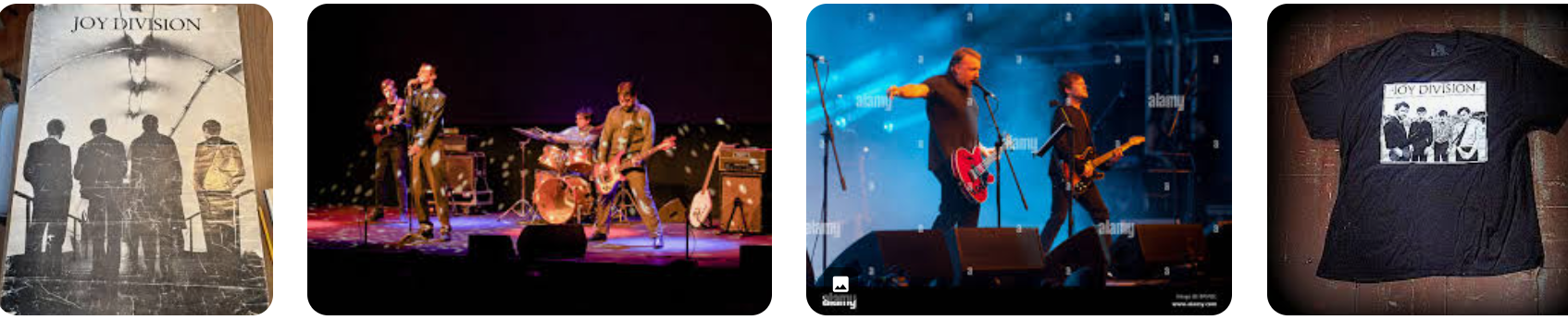
Their second and final studio album, Closer, released in 1980, remains one of the clearest blueprints for what would later be called gothic atmosphere. The album does not rely on spectacle. It moves instead through restraint — sparse arrangements, empty space, and a sense that every note arrives from a room with little light and no ornament.
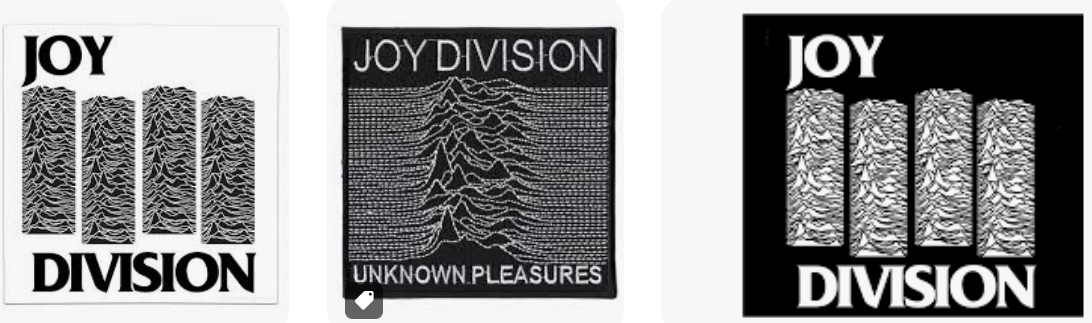
Tracks such as Atmosphere feel almost liturgical in tone, suspended between grief and reverence, while Love Will Tear Us Apart became their most enduring paradox: a song melodically luminous yet emotionally fractured, carrying private collapse inside one of post-punk’s most recognizable refrains.
What gives Joy Division lasting power is that they never sounded designed for darkness. They sounded truthful within it.
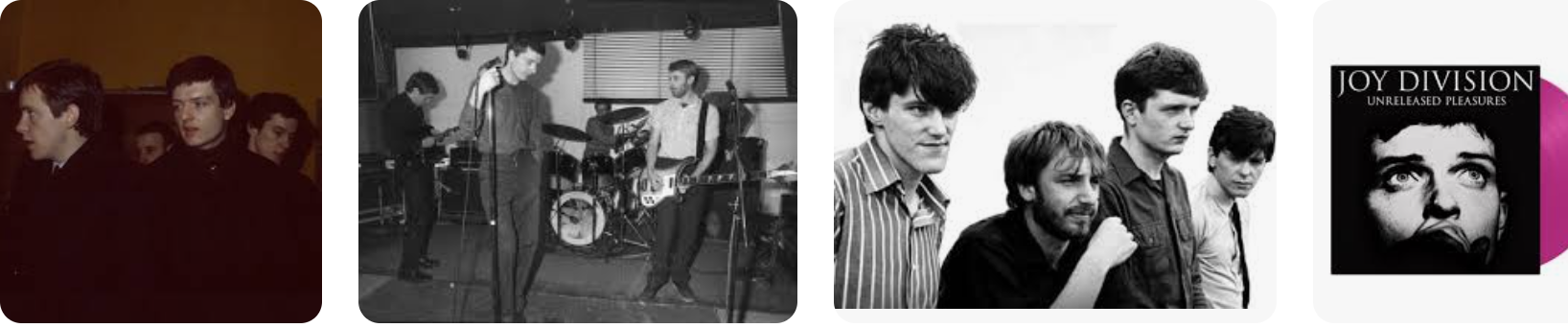
Later gothic bands would add more visible symbols — lace, shadows, candlelight, dramatic imagery — but Joy Division worked earlier, when mood alone had to carry the weight. They proved that dread did not need decoration.

Their legacy remains immense: not because they declared a movement, but because so many later artists walked through the doorway they opened.
Some bands create sound.
Joy Division created weather.