
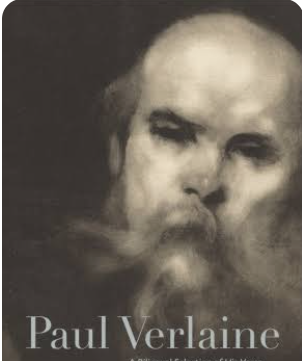
Paul Verlaine
Poetry from the Shadows. Some ghosts never died.
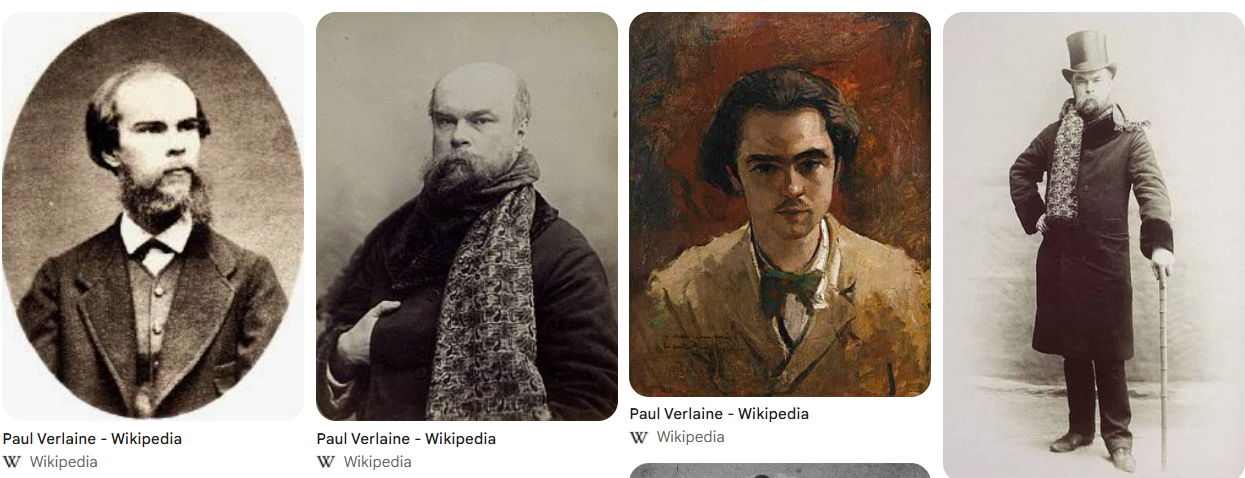
There are poets who write about darkness, and there are poets who seem to have lived permanently somewhere between light and shadow.
Paul Verlaine belonged to the latter.
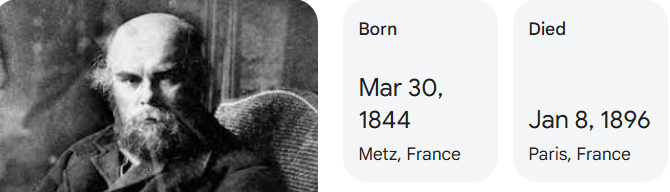
Born in France in 1844, Verlaine became one of the defining voices of French Symbolist poetry. His work rarely depended upon monsters, haunted castles, or the traditional trappings of the Gothic. His ghosts were quieter.
They were memory.
Regret.
Desire.
Loneliness.
And the lingering presence of things that could never quite be recovered.
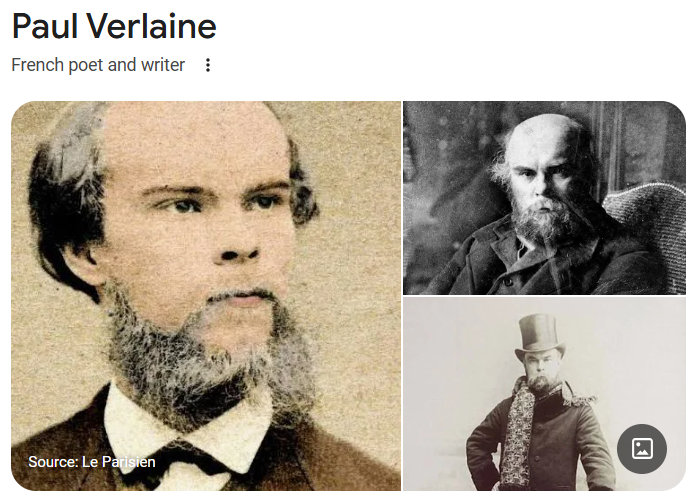
Poetry Meant to Be Felt
Verlaine believed poetry should behave almost like music.
Rather than explaining an emotion directly, he created atmosphere through rhythm, sound, suggestion, and imagery. Moonlight, rain, autumn leaves, twilight and empty landscapes recur throughout his poetry—not merely as scenery, but as reflections of an interior world.
His poems often feel like something remembered imperfectly.
A place you once knew.
Someone you once loved.
A happiness that disappeared before you realized it was leaving.
That quality gives Verlaine's poetry an almost spectral beauty. Nothing needs to jump from the darkness. The haunting comes from what is absent.
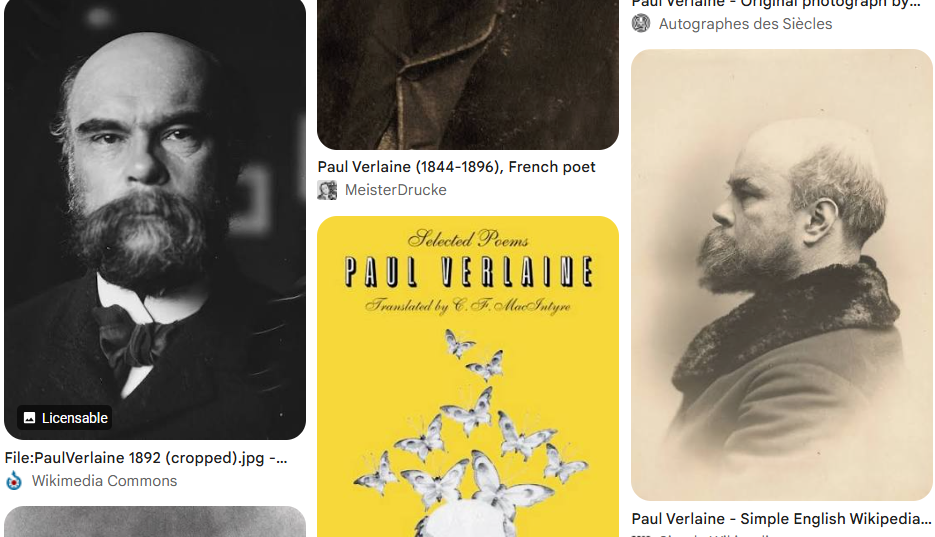
A Life as Turbulent as His Poetry
Verlaine's own life was considerably less delicate than his verse.
He struggled with alcohol, unstable relationships, financial problems, violence and periods of profound personal turmoil. His marriage to Mathilde Mauté deteriorated amid his increasingly chaotic life.
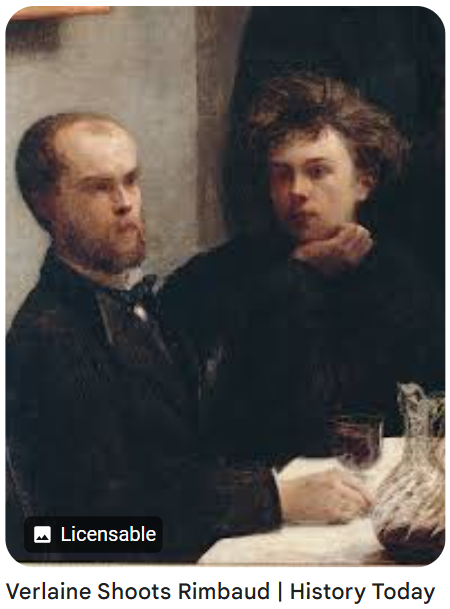
Then came Arthur Rimbaud.
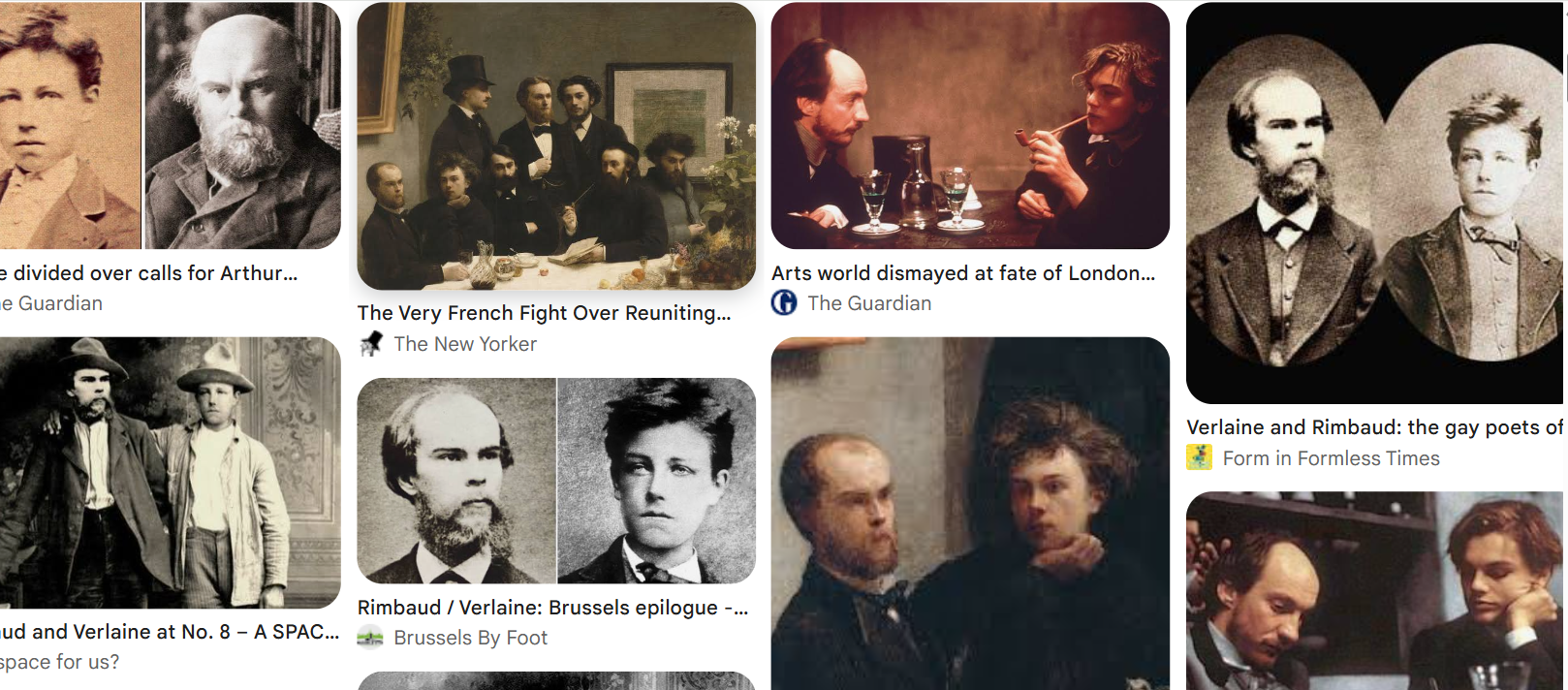
Rimbaud—the young poet whose work we have already encountered in this series—entered Verlaine's life in 1871. Their relationship became passionate, destructive and notorious.
The two abandoned conventional life and traveled together through Europe, frequently fighting and reconciling.
Eventually their volatile relationship reached its most infamous moment in Brussels in 1873.
During an argument, Verlaine shot Rimbaud with a revolver, wounding him in the wrist.
Verlaine was arrested and ultimately sentenced to prison.
It sounds almost like something created for a decadent Gothic novel.
It wasn't.
Beauty, Faith and Ruin
Prison changed Verlaine.
During his incarceration he experienced a return to Catholic faith, and religious longing subsequently entered portions of his work. Yet Verlaine never became a simple story of redemption.
The contradictions remained.
Sacred and profane.
Tenderness and violence.
Faith and temptation.
Beauty and self-destruction.
Perhaps that is precisely why his poetry continues to feel so human.
Among his best-known collections are Poèmes saturniens, Fêtes galantes, Romances sans paroles, and Sagesse. Across them, Verlaine helped shape a kind of poetry in which atmosphere could carry as much meaning as the words themselves.
The Gothic Without the Graveyard
Verlaine is an unusual Gothic poet because his darkness rarely announces itself.
There may be no crypt.
No apparition.
No raven tapping at the window.
Instead, there is moonlight falling across an empty landscape. Rain against glass. Autumn approaching. A memory returning unexpectedly.
And perhaps that is another kind of haunting.
The realization that some ghosts aren't the dead at all.
Sometimes they are the people, places, desires, and versions of ourselves that remain long after they are gone.
Until the next whisper from the shadows...
#PaulVerlaine #GothicPoetry #GothicPoets #FrenchPoetry #SymbolistPoetry #FrenchSymbolism #DarkPoetry #Poetry #LiteraryHistory #DecadentMovement #ArthurRimbaud #HauntingWords #Melancholy #GothicLiterature #GothicDustDiaries