
Camp That Tried to Erase Women
Ravensbrück, where ordinary lives were renamed with numbers
https://youtube.com/shorts/o2yzFU-5AYI
North of Berlin, beyond quiet water and birch forests that still sway in the cold wind, Ravensbrück concentration camp was built in 1939 as the largest camp created specifically for women inside the German Reich. What stood there was not merely a prison, but a system designed to strip identity from those the regime considered disposable — political dissidents, resistance members, Jewish women, Roma families, Jehovah’s Witnesses, lesbians, intellectuals, nurses, teachers, mothers, and girls whose existence no longer aligned with the ideology of the state.
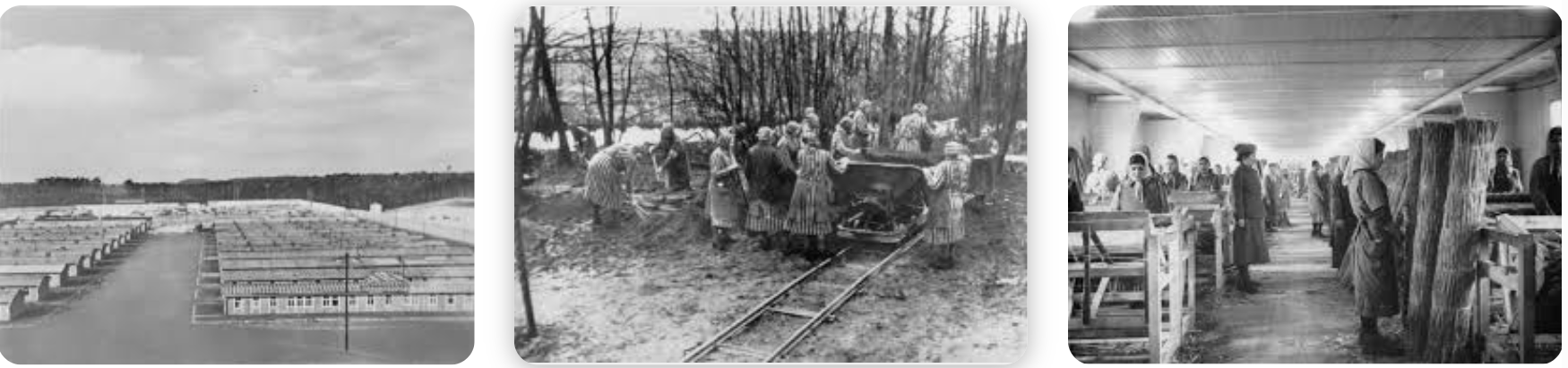
By the time the camp was liberated in 1945, more than 130,000 women and children had passed through its gates.
Most did not arrive as revolutionaries. Many came from ordinary civilian lives. A student caught distributing pamphlets. A seamstress accused of aiding resistance fighters. A mother arrested for hiding fugitives. A nun who refused political obedience. Their belongings were confiscated upon arrival. Hair was cut. Names disappeared into registration logs. In their place came identification numbers stitched onto thin striped uniforms that offered little protection against German winters.
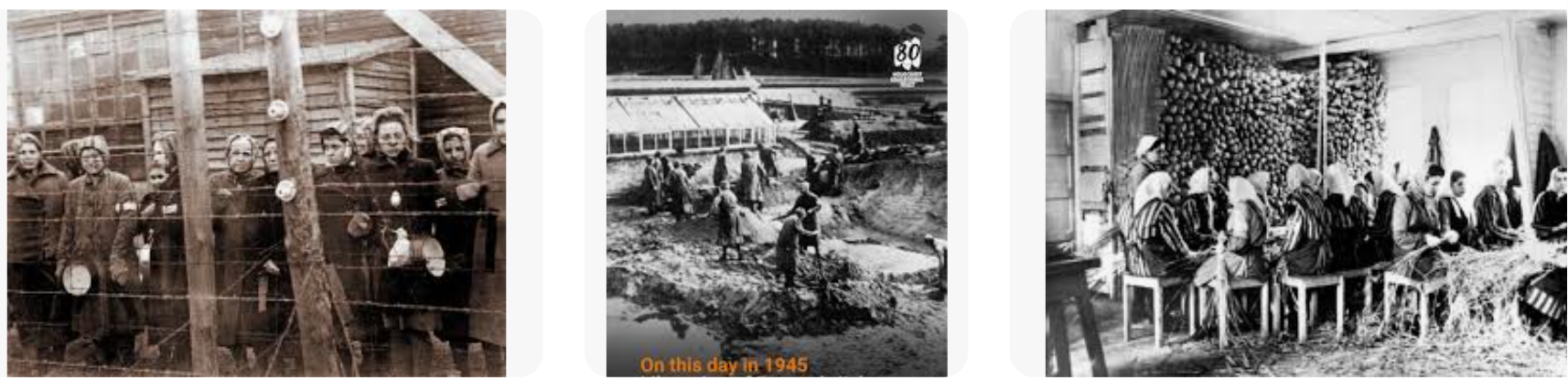
The camp expanded rapidly during the war years. Barracks overcrowded with prisoners became breeding grounds for disease, exhaustion, and starvation. Women were forced into labor for German industries, including munitions factories that operated with relentless schedules. Some prisoners worked until collapse assembling electrical components, digging trenches, sewing military materials, or transporting heavy loads through mud and snow. Punishments were swift and public. Roll calls stretched for hours in freezing weather while prisoners stood motionless as guards counted and recounted the living.
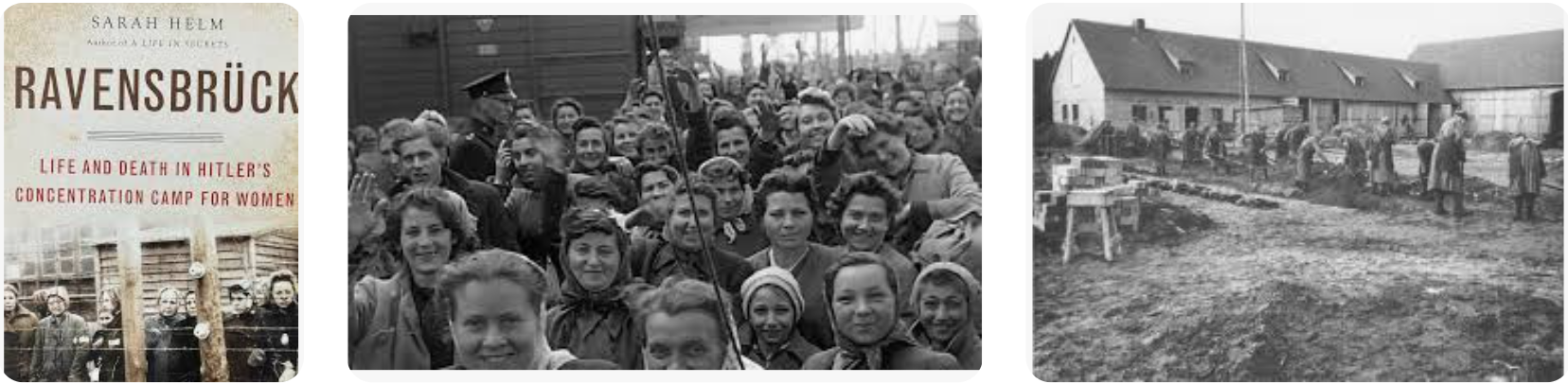
Yet what survivors often remembered most were not always the spectacular horrors history books focus upon.
Many remembered small acts of humanity.
A crust of bread divided into equal pieces among starving strangers. A whispered prayer in the darkness after lights-out. Secret lullabies sung to frightened children. Someone adjusting another prisoner’s collar against the cold. Tiny gestures became forms of rebellion against a system determined to erase compassion itself.
Ravensbrück also became the site of brutal medical experiments conducted on prisoners, particularly Polish women imprisoned for resistance activities. Some survivors later testified about surgeries performed without proper anesthesia, intentional infections, and experimental procedures designed to study wounds and treatments for battlefield use. The women subjected to these experiments became known among prisoners as “the Rabbits,” a grim nickname born from the realization that human beings were being treated as laboratory specimens.
As Allied forces closed in during the final months of the war, conditions inside the camp deteriorated further. Executions increased. Prisoners were transferred, abandoned, or sent on death marches away from advancing armies. Thousands died from starvation, disease, exhaustion, or systematic killing before liberation finally came in the spring of 1945.
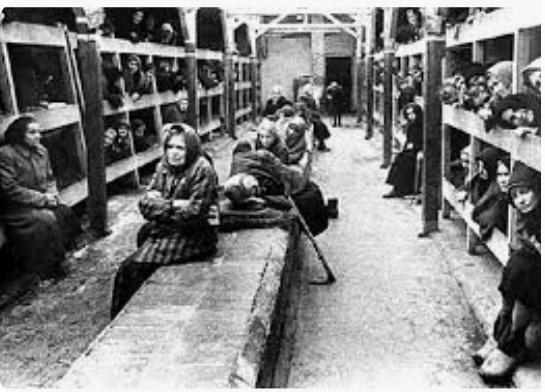
And yet Ravensbrück failed in its ultimate purpose.
The camp had been built to erase women quietly, to reduce lives into statistics buried beneath wartime bureaucracy and smoke. Instead, survivors carried memory beyond the barbed wire. Testimonies emerged through diaries, letters, war crime trials, interviews, and oral histories passed through generations. The women the regime attempted to silence became witnesses.
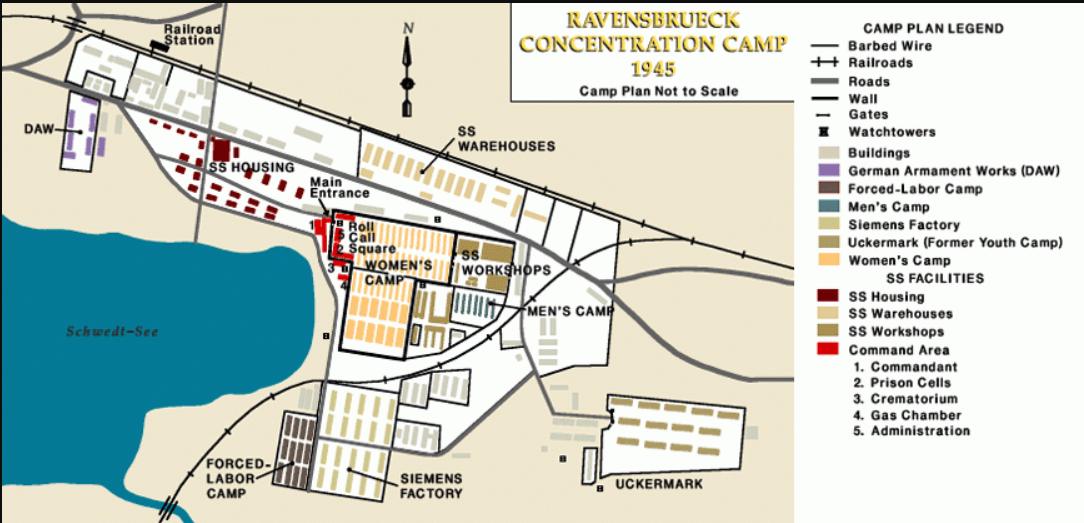
Today, the grounds of Ravensbrück remain as a memorial beside the still waters of Lake Schwedt. The barracks are largely gone, but traces remain — stone foundations, watchtowers, prison walls, fragments of roads once marched by thousands. Visitors often describe the silence there as unnerving, not because the place feels abandoned, but because it feels remembered.
Ravensbrück stands as a relic not of ghosts, but of interrupted lives.
Lives that once laughed in kitchens, taught in classrooms, wrote letters home, carried children, fell in love, argued about politics, and believed they would grow old.
Lives the world nearly lost the language to mourn.