
Forgotten Pantry
The Forgotten Pantry Around Us
Magnolia Leaves, Edible Flowers, and the Lost Art of Using What Nature Provides
Although this post was originally prepared for We Not Me Farms Ministries, the quiet ritual of gathering magnolia leaves, drying them slowly, and transforming them into tea or culinary herbs feels like something pulled from an older world — a forgotten kind of woodland knowledge once passed from generation to generation.
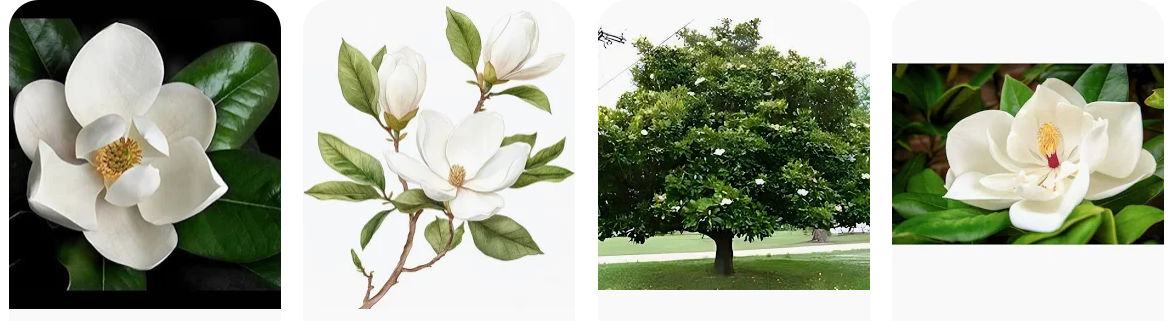
While waiting for Kurt during a recent meet-and-greet with locals, curiosity led to a simple question:
“Are magnolia leaves edible?”
Most people know the flowers are edible, but the leaves are rarely discussed outside herbal or foraging circles. Surprisingly, certain magnolia species have a long history of practical culinary use when prepared correctly.
That small discovery became a reminder of something modern society has slowly lost — the understanding that food and usefulness often surround us long before we ever enter a grocery store.
For generations, people knew how to identify useful plants growing naturally around homes, trails, forests, and fields. Leaves became teas. Flowers became syrups and preserves. Roots became medicine. Trees provided more than shade.
Today, much of that knowledge has faded.
At We Not Me Farms Ministries, part of our mission is not simply farming — it is reconnecting people with practical self-reliance, stewardship, and awareness of the natural abundance already surrounding us.
Magnolia Leaves and Flowers
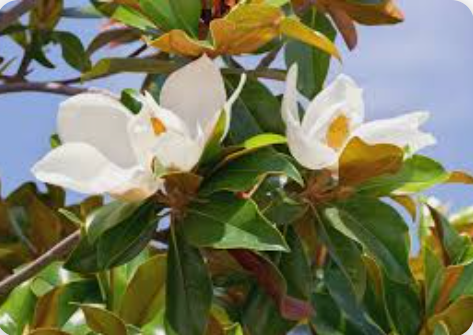
Certain species of magnolia are considered more suitable for culinary use than others, particularly:
Southern Magnolia (Magnolia grandiflora)
Sweetbay Magnolia (Magnolia virginiana)
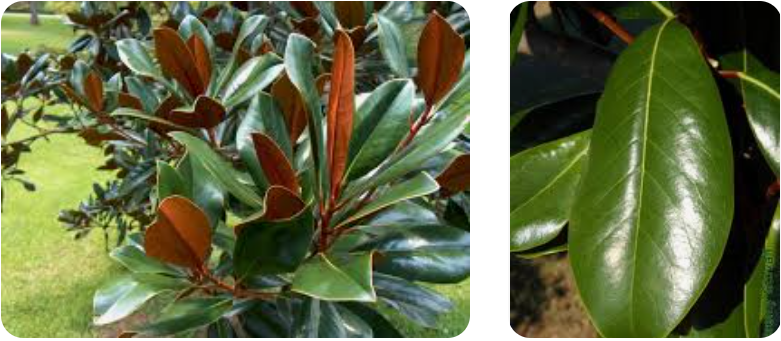
The leaves themselves are generally not eaten fresh, but when dried they may be used similarly to bay leaves in soups, stews, and broths. Some people also dry the leaves for tea blends due to their warm, mildly aromatic character.
The flowers are where magnolia becomes especially interesting.
Magnolia petals have a ginger-like, lightly spiced flavor and may be:
steeped into teas,
pickled,
infused into syrups,
or made into jams and preserves.
Some chefs even use the petals in salads or fermented recipes.
Using magnolia this way is not about novelty. It is about remembering that usefulness exists all around us if we take the time to learn.
The Loss of Foraging Knowledge
Modern convenience has disconnected many people from the land itself. Entire generations have grown up without knowing:
which plants are edible,
how to preserve food,
how to identify medicinal herbs,
or how to use what naturally grows nearby.
Instead, people are taught dependence on systems that often leave them vulnerable when prices rise, supply chains fail, or hardship strikes.
Learning basic foraging and natural-use skills does not mean abandoning modern life. It means rebuilding practical knowledge that once helped communities survive difficult times.
Even something as simple as drying magnolia leaves in a small countertop dehydrator becomes part of a larger lesson:
nature often provides more than we realize.
A Return to Stewardship
At We Not Me Farms Ministries, we believe resilience begins with education, stewardship, and community.
Gardens matter. Farming matters. But so does learning to recognize the value already growing around us.
Sometimes the first step toward self-reliance begins with a single question:
“What can this plant be used for?”
And from there, knowledge grows.
I am currently dehydrating some Southern Magnolia leaves in my toaster/dehydrator and look forward to experimenting with different uses once they are finished. I’ll share an update on the results and how I ultimately use them.
If you would like to know which plant identification app I use or learn more about my drying process, feel free to reach out at wenotmefarmsministries@gmail.com
DISCLAIMER: Always properly identify any wild plant before consumption. Some plants may have toxic lookalikes, and preparation methods can vary by species. The information shared in this article is based on personal research and general educational information and should not be considered medical, nutritional, or professional foraging advice. Individuals should conduct their own research, consult qualified experts when necessary, and exercise caution before consuming any wild or unfamiliar plant.