
CHARITY HOSPITAL
A BUILDING THAT LEARNED TOO MUCH ABOUT BREATHING
https://youtube.com/shorts/tjnTsExXoNA
Some buildings do not become relics because they were ancient, but because they absorbed too much human passage to remain ordinary.
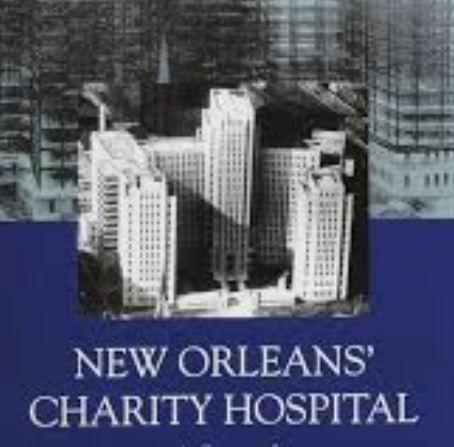
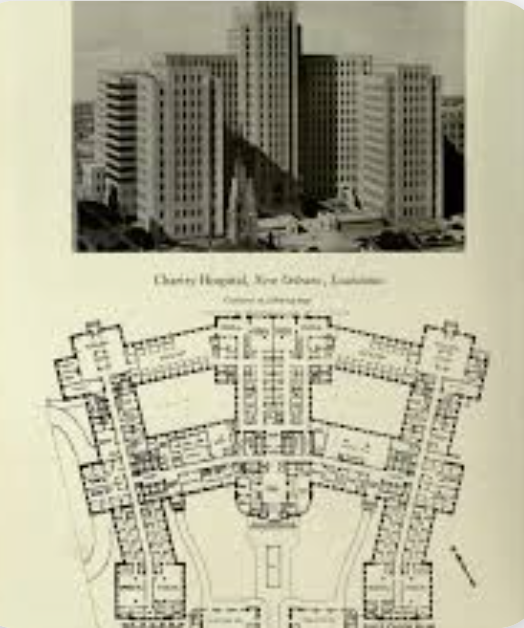
Charity Hospital was never intended to be mythic. Opened in 1939 as one of the largest public hospitals in the United States, it was built for practical mercy — a vast concrete institution where a port city sent its fevers, fractures, births, and last chances. It belonged to ordinary necessity: the place where labor pains arrived before dawn, where dock injuries were stitched under fluorescent light, where influenza seasons filled beds faster than administrators could count them. For generations, the hospital did not collect legends; it collected breathing.
Yet hospitals hold a different kind of memory than cemeteries. Cemeteries preserve endings. Hospitals preserve uncertainty — the suspended hour between fear and diagnosis, between injury and survival, between hope and whatever follows.
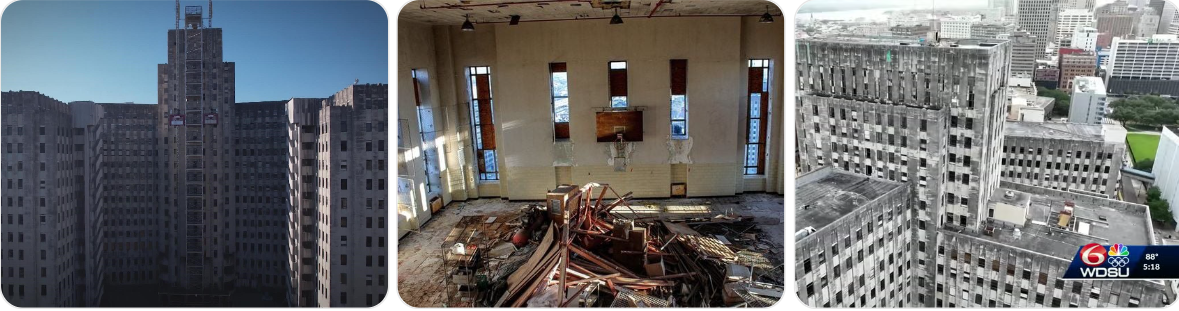
For decades, Charity carried the layered history of New Orleans itself. Yellow fever outbreaks passed through its wards. Influenza returned in waves. Industrial accidents from the river and port arrived with crushed hands, broken ribs, burns, and exhaustion. Entire families entered through different decades: one generation born there, another treated there, another departing under sheets no one spoke about afterward.
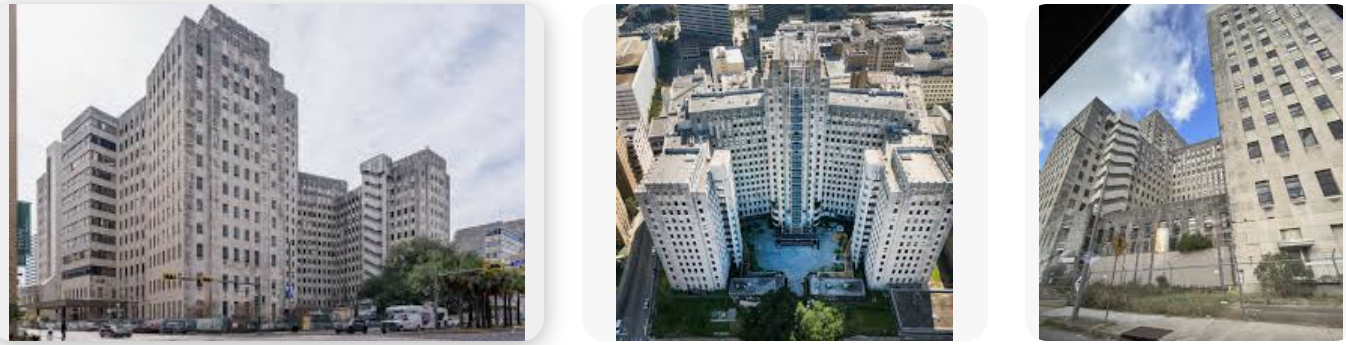
Its earliest decades were not gentle for everyone. Public hospitals for the poor often operated under harsh conditions — overcrowding, limited privacy, strained staffing, and unequal standards that reflected the wider social order of the South. Yet even under those burdens, Charity remained a place where ordinary people entered because there was nowhere else to go.
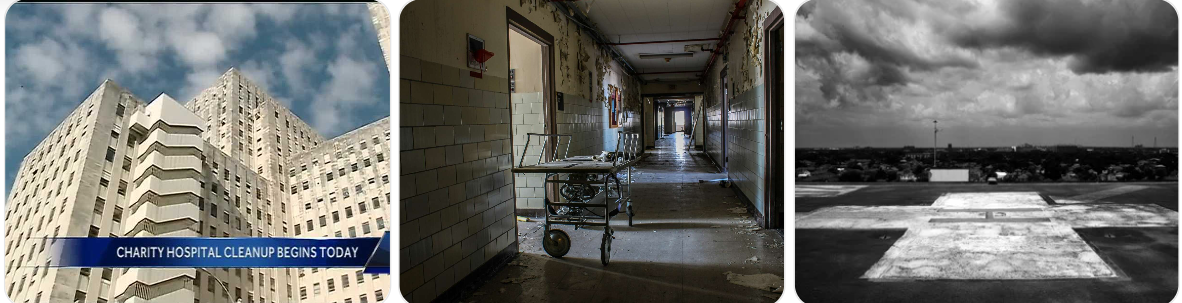
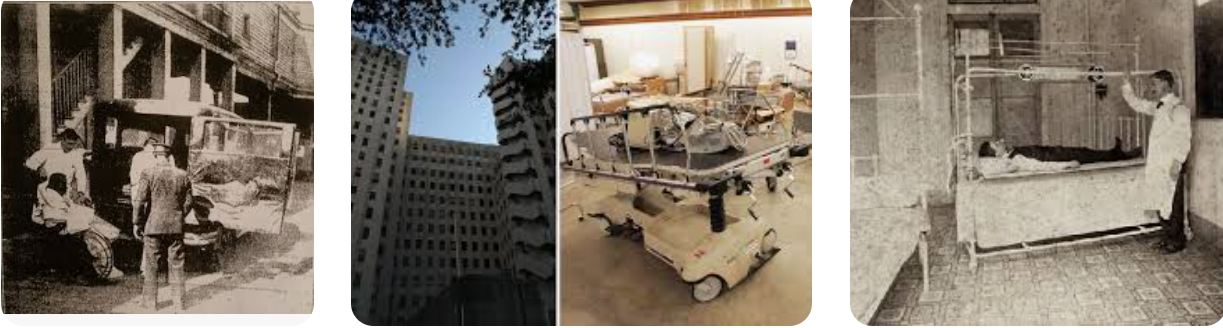
Then came Hurricane Katrina.
When the storm struck in 2005, the building changed from institution to witness. Power failed. Water rose through the city. Evacuations became improvised acts of endurance. Elevators failed. Mechanical systems collapsed. Staff and patients waited inside a building designed to save life but suddenly unable to perform its purpose. The stories that emerged afterward did not require invention; they were already haunting in human terms. Darkened hallways, heat without ventilation, delayed evacuations, exhausted caregivers carrying responsibility through uncertainty — all of it left a mark deeper than architecture.
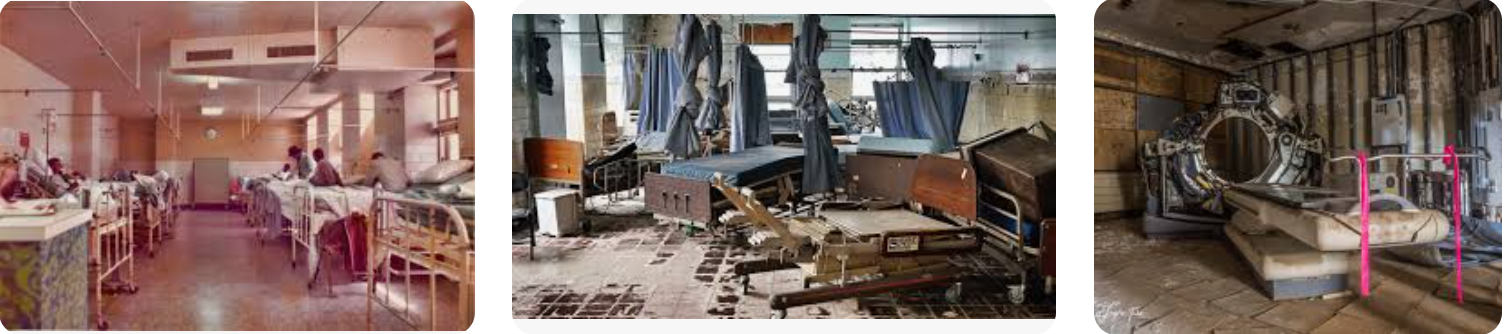
That is why the silence around Charity feels heavy even now. Not because of ghost stories, but because hospitals absorb voices differently than other places. Every corridor once held names called in urgency. Every floor knew the weight of waiting. Every stairwell belonged to someone arriving too quickly or leaving too slowly.
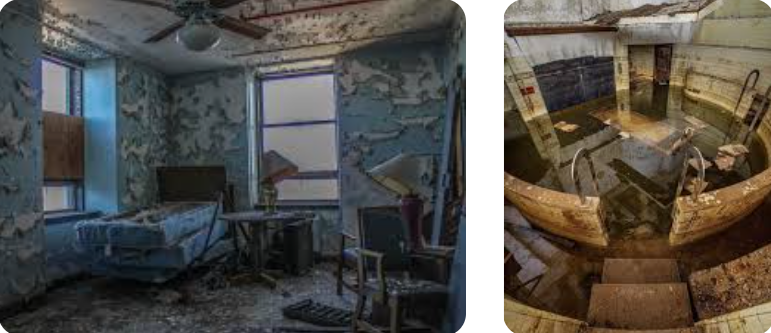
Nearly two decades later, the shell remains, though no longer abandoned to permanent ruin. Plans have moved forward to transform the old structure into housing, academic space, and renewed civic use — an effort to give utility back to a building that has already served more lives than most monuments ever will.

And perhaps that is fitting. Some buildings should not become museums of sorrow. Some should continue breathing, even if they remember too much.
Because Charity Hospital does not stand as a haunted object. It stands as something more difficult: a reminder that cities store memory in concrete, and that ordinary lives leave echoes long after machinery stops.
#GothicDustDiaries #RelicsOfTime #CharityHospital #NewOrleansHistory #HurricaneKatrina #HistoricHospitals #UrbanMemory #EchoesOfTime #ForgottenPlaces #ArchitecturalHistory #GothicAmerica #RelicsAndRuins