
WHY ARE BARNS RED?
The Practical Chemistry Behind a Rural Tradition
https://youtube.com/shorts/9p3MS0JAClU
Across old farm roads and open countryside, red barns rise with a kind of quiet permanence—structures so familiar that many people assume the color was chosen simply because it looked pleasing against fields and sky. Yet the red of historic barns did not begin as decoration. It began as protection.
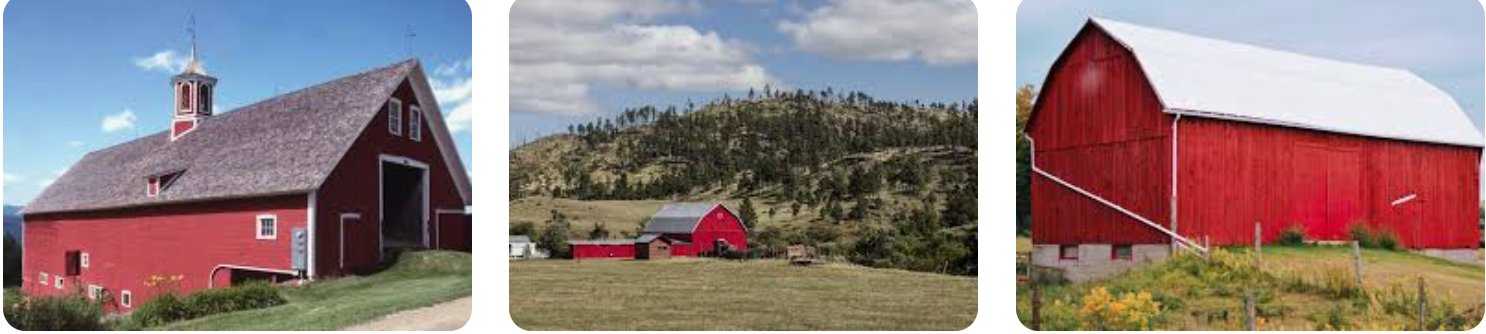
Before manufactured paints became widely available, farmers needed a way to shield wood from relentless exposure: rain, humidity, insects, mold, and the slow deterioration that follows every season. Timber buildings, especially barns, required treatment if they were to survive years of weather and use. One of the most accessible protective mixtures came from materials already close at hand: linseed oil and iron oxide.
Linseed oil, derived from flax seeds, penetrated wood fibers deeply and created a moisture-resistant barrier. It slowed cracking, reduced water intrusion, and gave rough-cut lumber a longer life. But oil alone was not enough. Farmers often added iron oxide—essentially rust—which served as a pigment and added preservative qualities. The resulting mixture dried into a deep reddish coating that resisted fungal growth and helped discourage moss and surface decay.

The color itself was not chosen for symbolism. It was simply the natural result of the most affordable ingredients available.
In some regions, homemade paint formulas varied. Lime, milk, and other binding agents were sometimes added, depending on what a household could produce or obtain. But iron oxide remained one of the most reliable pigments because it was inexpensive, abundant, and durable. What mattered most was not beauty, but endurance.
And yet, over time, endurance became identity.
As commercial paints entered the market, farmers often continued choosing red because red pigment remained one of the least expensive manufactured options. More importantly, generations had already associated the color with proper agricultural care. A red barn suggested maintenance, order, and stewardship. It became less a chemical accident and more an architectural inheritance.
There is also something quietly compelling in the material logic of it: structures built from wood, protected by oil, darkened by iron—the same iron drawn from earth itself. In a sense, barns were coated in the minerals of the land they stood upon, preserved by the very elements surrounding them.
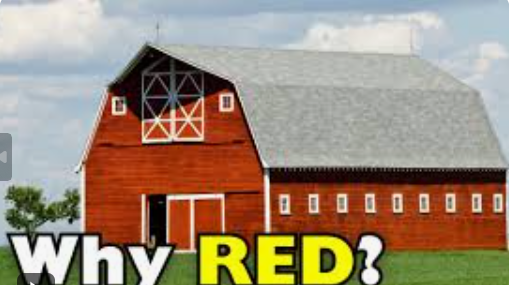
That may explain why the red barn still carries unusual visual power today. Even when modern coatings no longer require rust pigments, the color remains because tradition often outlives necessity. Rural architecture remembers its own practical history, even when few people recall where it began.
For historic properties, agricultural land, or preserved rural structures, these details matter more than many realize. Exterior color often tells a story about available materials, local economics, and the practical decisions of earlier generations. What appears decorative may once have been essential.
The red barn therefore stands as more than an icon of the countryside. It is a reminder that many enduring aesthetics begin not in design theory, but in survival—where chemistry, economy, and weather quietly shape what later generations call beautiful.
#WhyBarnsAreRed #HistoricArchitecture #RuralHistory #BuildingMaterials #LinseedOil #IronOxide #BarnHistory #ArchitecturalMemory #Preservation #CountryStructures #GothicDustDiaries #MaterialCulture #HistoricProperties #RuralAesthetics #OldStructures