
Coral Castle
The Stone That Refused Gravity
The Man Who Moved Stone Like Air
https://youtube.com/shorts/OKMRk2L42PQ
In the subtropical stillness of Homestead stands a structure that feels less built and more summoned—Coral Castle, a monument of coral rock carved and raised by a single man, Edward Leedskalnin.

Arriving in the United States in the early 20th century, Leedskalnin was a quiet Latvian immigrant, slight in frame, reserved in nature, and carrying with him the echo of a broken engagement. The story most often told is simple: he built Coral Castle for a lost love. But the truth feels heavier—like the stones themselves.

Over the course of nearly three decades, Leedskalnin quarried, carved, and positioned over 1,100 tons of oolitic limestone. Massive blocks—some weighing over 30 tons—stand arranged in walls, towers, and celestial alignments. A nine-ton gate once swung open with the touch of a finger, balanced so precisely it defied its own mass.
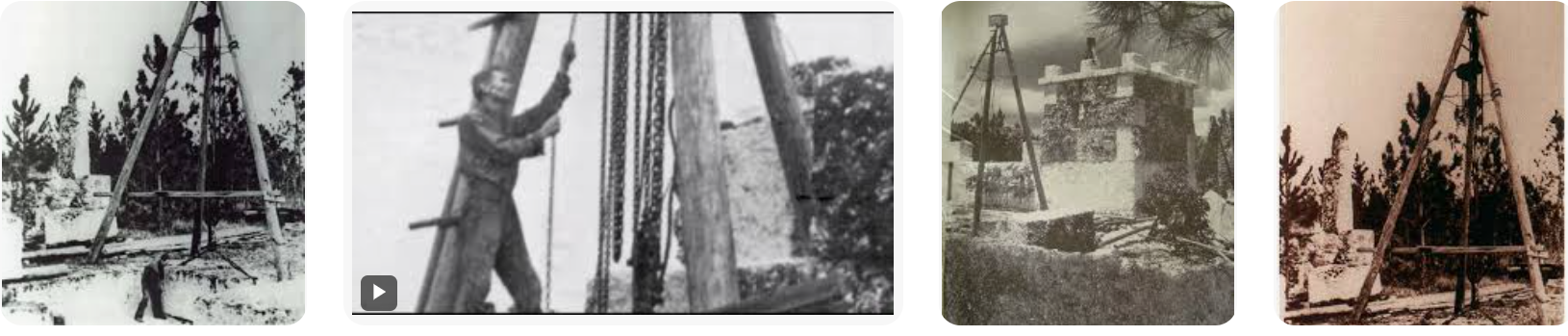
There were no cranes. No crews. No permits suggesting large-scale construction.
Only the man.
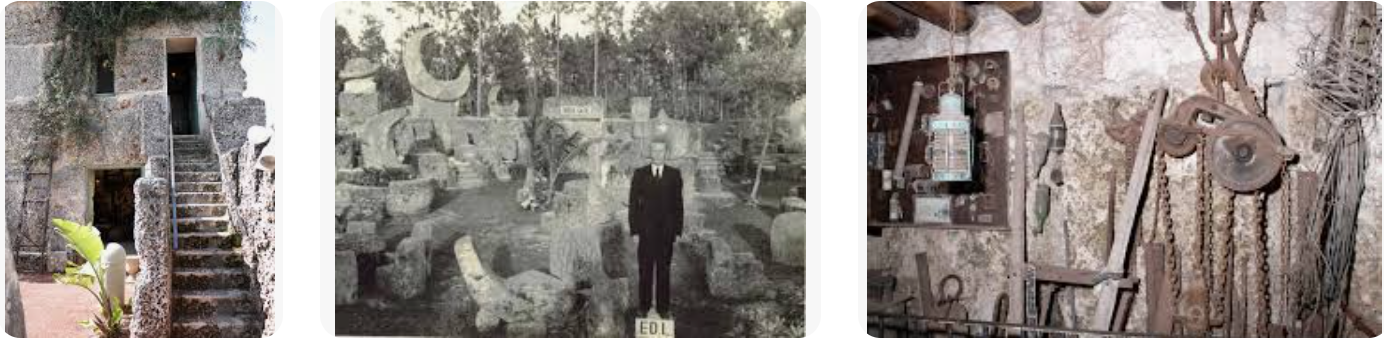
Neighbors claimed he worked only at night. Children said he sang to the stones, that they floated like balloons in the dark. Leedskalnin himself offered little explanation, but left behind cryptic pamphlets referencing magnetism, energy, and the unseen forces that bind the physical world.
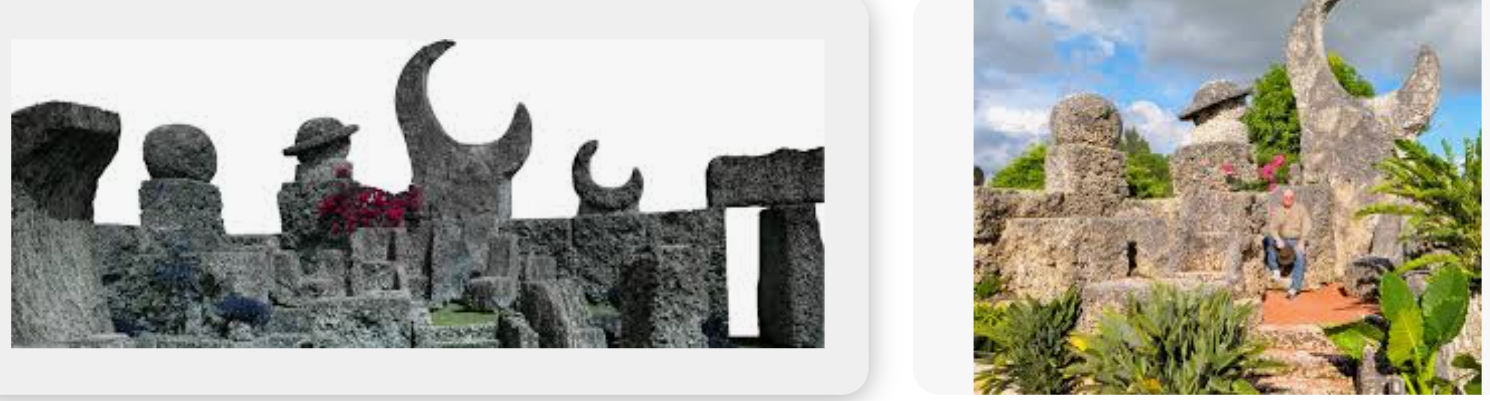
“I know the secrets of the people who built the pyramids,” he once said.
Whether this was truth, metaphor, or quiet deflection remains unknown.
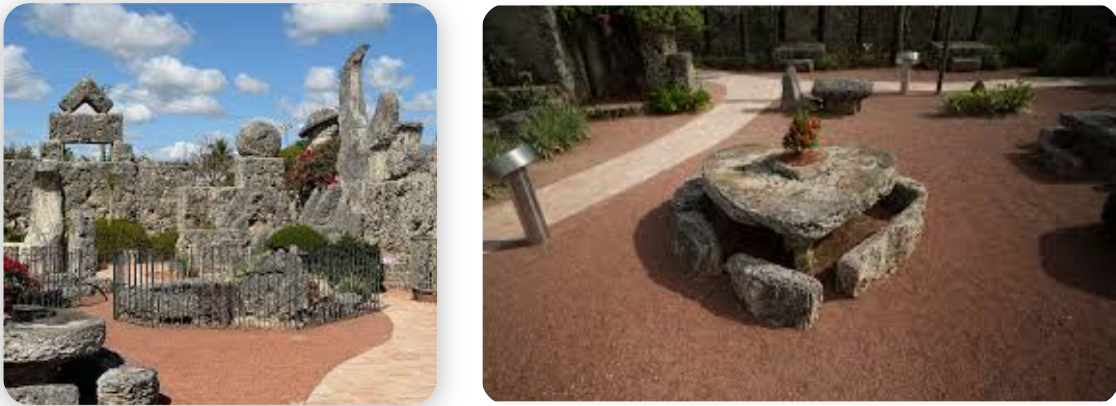
The castle itself is more than a curiosity—it is a geometry of intention. Lunar markers, solar alignments, and carefully placed stones suggest not randomness, but design. Some believe it functions as a map of celestial bodies. Others see it as a monument to grief; each stone placed in silent conversation with a past that never let go.
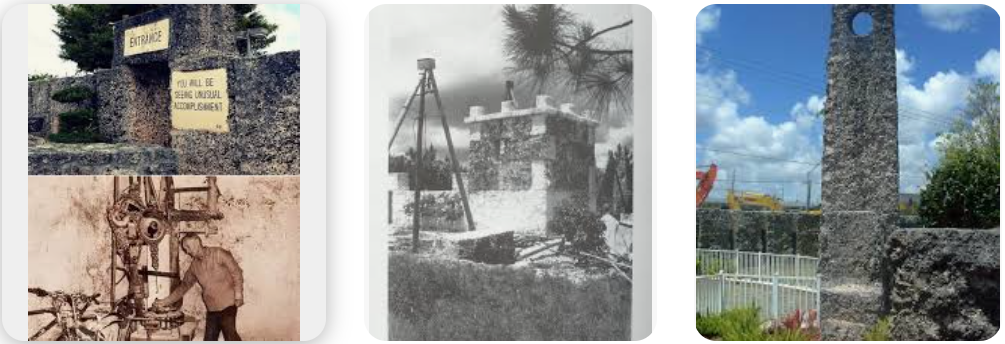
In a world driven by machinery and explanation, Coral Castle resists both. It stands as a contradiction—proof that something immense was done, with no clear record of how.
And perhaps that is the true weight of it.
Not the stones themselves…
but the absence of answers.