
Gothic Literature
Origins and Evolution - Shadows of a Moonlit Tapestry
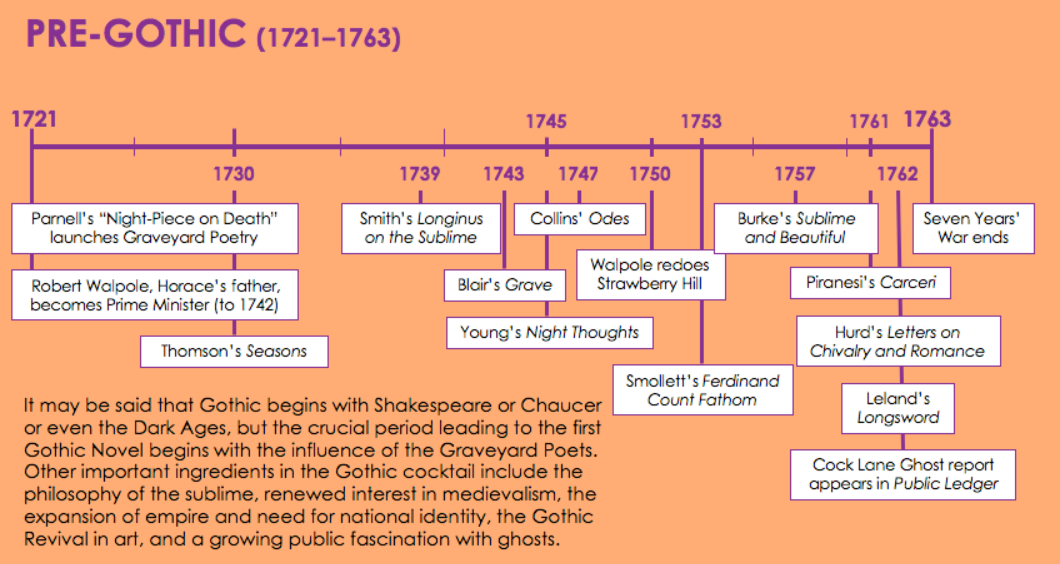
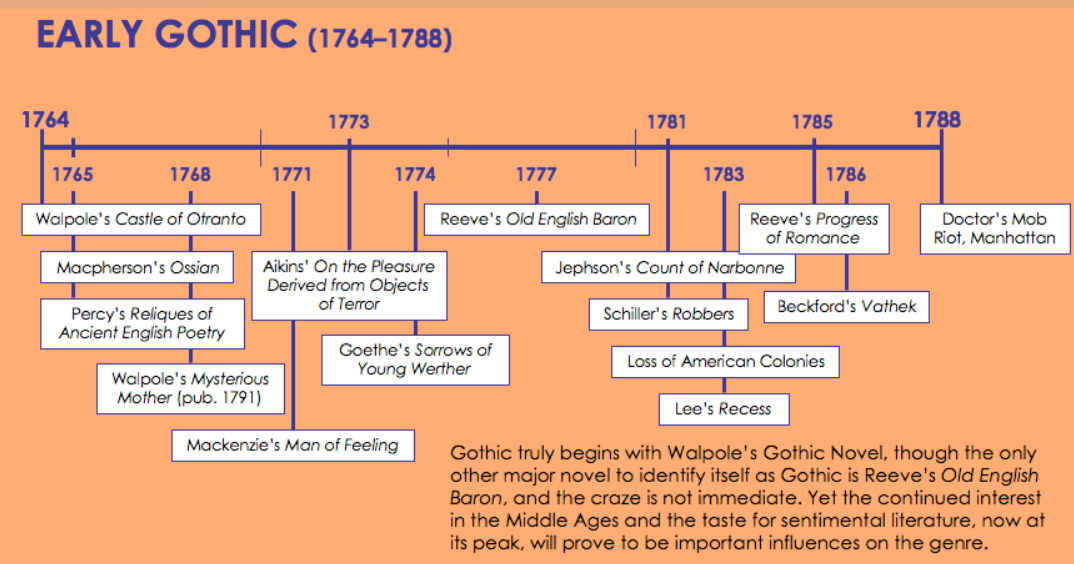
In the veiled twilight of Gothic Dust Diaries, the shadowed wings of gothic literature unfurl, weaving a moonlit tapestry of beauty, dread, and history that whispers through time. Born in 1764 with Horace Walpole’s The Castle of Otranto, this genre emerged as a literary rebellion against the Enlightenment’s emphasis on reason and rational thought. Walpole’s tale of haunted castles, forbidden passions, and ghostly apparitions set in a medieval manor sparked a fascination with the sublime and sinister, crafting crumbling turrets and veiled secrets that defied order. By the 1790s, Ann Radcliffe refined this art in The Mysteries of Udolpho, her heroines navigating fog-wreathed abbeys and windswept cliffs, blending psychological suspense with desolate landscapes. Her eerie atmospheres, free of spectral hauntings, rooted gothic in human fears, a thread that binds it to the historical echoes of our Unseen tales.
Long before horror became entertainment, gothic literature explored the fears, hopes, and mysteries that have always lived within the human heart.
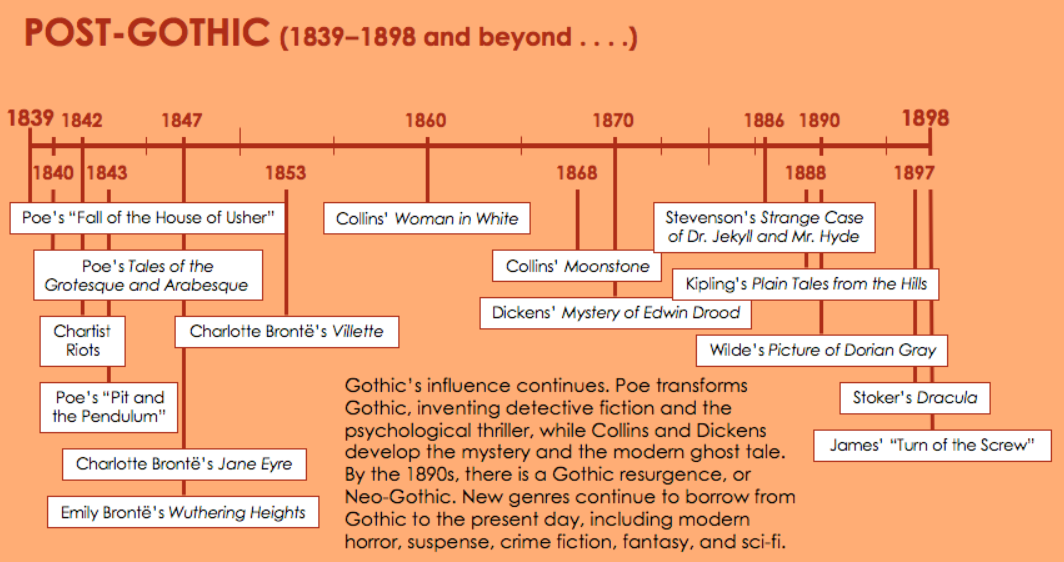
The 19th century deepened gothic’s allure, entwining it with societal anxieties and human truths. Mary Shelley’s Frankenstein (1818) probed the horrors of scientific ambition, its creature a tragic mirror to mankind’s flaws, born in the shadow of Industrial Revolution fears. Edgar Allan Poe’s The Fall of the House of Usher (1839) wove decay and madness into American gothic, its rotting mansion a symbol of fractured psyches. Emily Brontë’s Wuthering Heights (1847) painted love as a tempest across Yorkshire’s desolate moors, while Bram Stoker’s Dracula (1897) unleashed vampiric shadows into Victorian urban sprawls, reflecting fears of moral decay and foreign influence. Oscar Wilde’s The Picture of Dorian Gray (1890) turned beauty into a gothic curse, its portrait a canvas of hidden sin. Across the Channel, Charles Baudelaire’s poems, like The Albatross, infused French Romanticism with lyrical melancholy, threading gothic’s fabric with existential dread.
As the 20th century dawned, gothic literature evolved, trading ancient ruins for subtler terrors. Shirley Jackson’s The Haunting of Hill House (1959) shifted from castles to psychological unease, its haunted rooms mirroring inner turmoil. Toni Morrison’s Beloved (1987) reimagined gothic through historical trauma, conjuring slavery’s lingering ghosts in a narrative as raw as a storm-swept grave. From Walpole’s medieval fantasies to Morrison’s modern elegies, gothic literature thrives on the interplay of fear and beauty, its settings—ruined manors, fog-choked moors, candlelit corridors—reflecting the human psyche’s darkest corners.
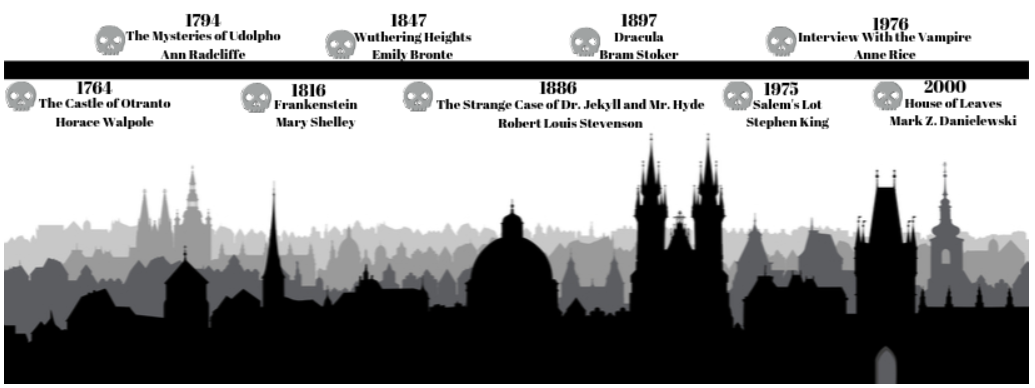
Each era’s anxieties—from 18th-century superstition to Victorian alienation and modern existential dread—have shaped gothic literature's evolution. Yet its heart has never changed. It remains a dance with the unknown, where shadows reveal our deepest truths.
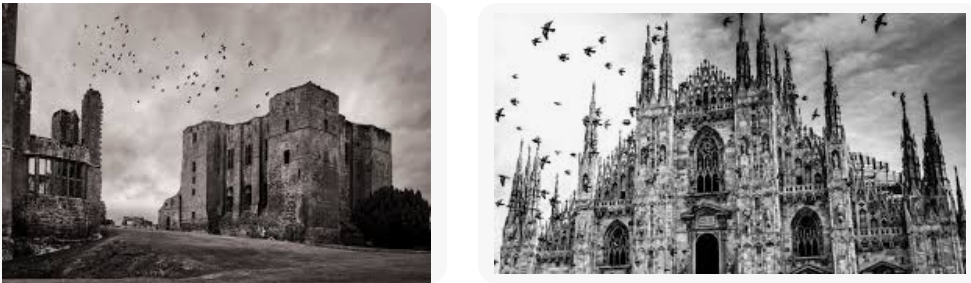
From haunted castles and forgotten abbeys to isolated houses and the quiet ghosts of memory, gothic literature reminds us that history is never entirely silent. Every generation discovers its own shadows—and its own stories waiting to be told.
Here, within the pages of Gothic Dust Diaries, we continue that journey... one forgotten tale at a time. Let these inked pages linger in your soul.
#GothicLiterature #TalesOfTheUnseen #GothicDustDiaries #LiteraryHistory #HoraceWalpole #MaryShelley #EdgarAllanPoe #BramStoker #DarkHistory #ForgottenStories #ClassicLiterature #HistoryThroughStories