
What Grew Outside Was Once the Medicine Cabinet
Old Florida Herbal Remedies and the Knowledge We Nearly Forgot
Long before pharmacies stood on every corner and medicine arrived in neatly labeled bottles, people often looked much closer to home for help.
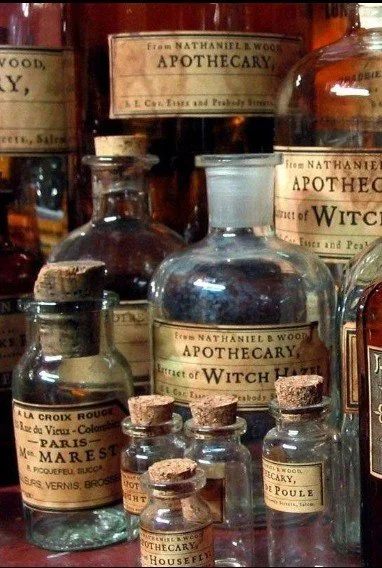
Sometimes, they simply stepped outside.
Florida's forests, fields, gardens, and wetlands provided generations of people with plants they used for everything from minor wounds and stomach troubles to coughs, fevers, and insect bites. Some of that knowledge came from Indigenous peoples who had understood the landscape for centuries. Other traditions arrived with European settlers, African Americans, immigrants, and families who carried old remedies from one generation to the next.
The result was a fascinating mixture of medicine, folklore, necessity, and experience.
The Backyard Apothecary
What we might dismiss today as weeds could once have been valuable household plants.
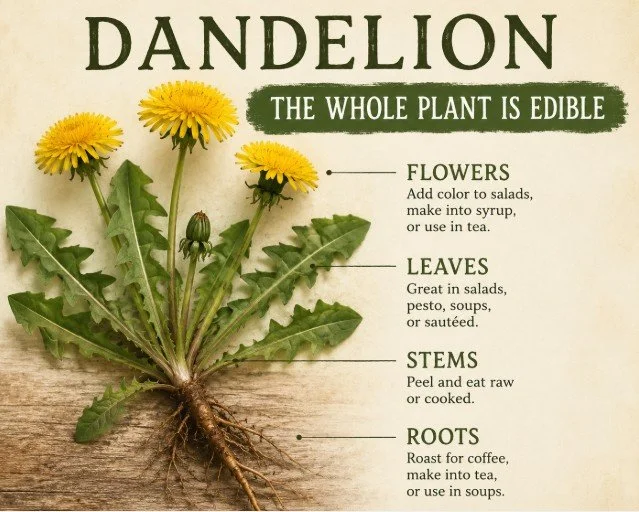
Elderberry was traditionally associated with colds and respiratory complaints. Yarrow was used on minor wounds. Mint found its way into teas for stomach discomfort. Pine needles and other parts of pine trees had traditional household uses, while plants such as beautyberry developed reputations for uses ranging from folk remedies to keeping biting insects away.
Even the familiar aloe plant sitting beside a porch had a practical purpose when someone came inside with a minor burn.
Not every remedy worked, of course. Some probably helped because the plants contained compounds we now understand scientifically. Others survived largely because someone believed Grandma's remedy worked, and Grandma had learned it from her grandmother.
And some traditional remedies were dangerous.
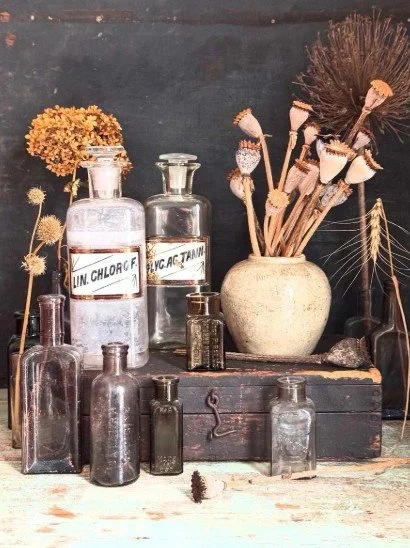
That distinction matters. Historical plant medicine is fascinating to study, but “natural” has never automatically meant “safe.”
Knowledge Born of Necessity
For much of Florida's history, professional medical care wasn't necessarily ten minutes down the road.
Imagine living on an isolated homestead when the nearest physician might be hours away—or when transportation itself depended upon a horse, wagon, or boat.
People learned to make do.
Gardens weren't planted solely for beauty. A household might grow plants for food, seasoning, preserving, cleaning, insect control, and traditional medicinal use. Knowledge of what grew naturally nearby could be just as valuable.
It was practical knowledge because it had to be.
And that may be the most interesting part of these old remedies.
They tell us something about the relationship people once had with the land around their homes.
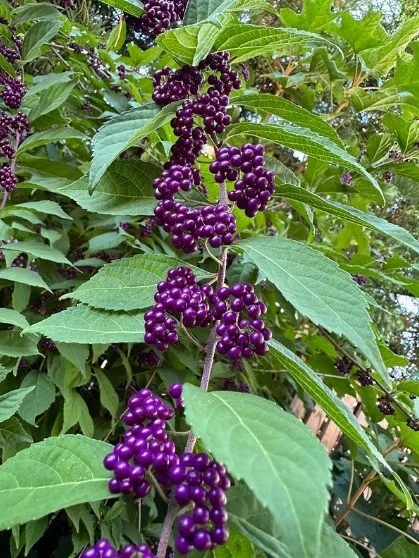
A plant wasn't simply landscaping.
A tree wasn't merely shade.
A garden wasn't merely decoration.
The property itself provided resources.
When Knowledge Became Folklore
As modern medicine, refrigeration, supermarkets, automobiles, and manufactured household products became commonplace, much of that everyday knowledge gradually disappeared.
What had once been ordinary became old-fashioned.
Then it became folklore.
Today, we're strangely fascinated by it again.
People are planting herb gardens, learning about native plants, preserving food, growing vegetables, keeping chickens, foraging, and rediscovering skills their great-grandparents might have considered completely unremarkable.
Perhaps we're not really trying to return to the past.
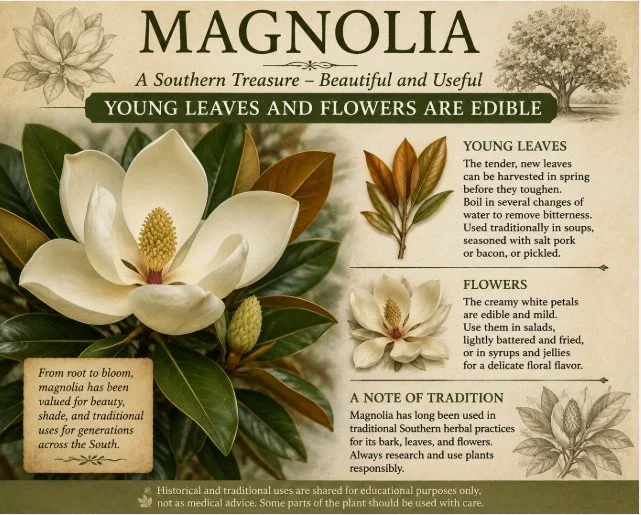
Maybe we're simply beginning to appreciate something the past understood very well:
Knowing the land around you has value.
There is something wonderful about looking at an ordinary plant growing beside an old Florida homestead and realizing that a hundred years ago, someone may have looked at that very same species and seen something entirely different.
Not a weed.
Not landscaping.
Something useful.
Something worth remembering.
And sometimes the most interesting history isn't preserved inside a museum.
Sometimes it's still growing right outside the door.
Historical herbal practices are discussed here for cultural and educational purposes, not as medical advice. Some plants and traditional remedies can be harmful or interact with medications.
#OldFlorida #FloridaHistory #HerbalHistory #ForgottenKnowledge #OldWays #HomesteadHistory #FloridaLiving #NativePlants #HerbalTraditions #SouthernHistory #FloridaHomes #GardenHistory #FolkRemedies #SelfSufficiency #LivingHistory #GothicDustDiaries #WeNotMeFarms #KartalHomes