
NOR' LOCH
THE STAGNANT GRAVE OF PLAGUE'S FALLEN
Beneath the tranquil beauty of Edinburgh's Princes Street Gardens lies one of Scotland's darkest forgotten landscapes. Long before visitors wandered among flower beds and shaded pathways, a body of water known as Nor' Loch occupied the ground beneath Castle Rock, serving as both a defensive barrier and, eventually, a grim symbol of disease, death, and human suffering.
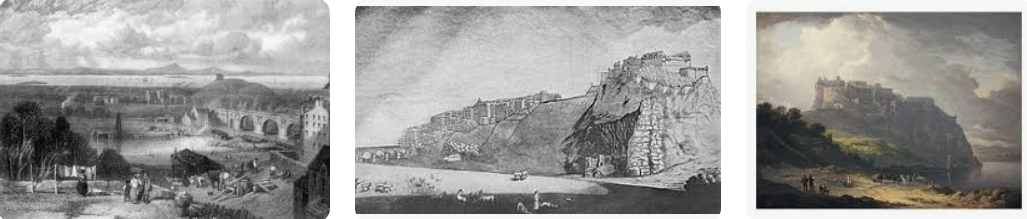
Formed within a natural glacial hollow north of Edinburgh Castle, Nor' Loch was documented as early as the fourteenth century. Initially, the loch provided protection for the city by creating a difficult obstacle for potential attackers approaching the castle. Over time, however, the growing population of Edinburgh transformed the loch into something far more sinister.
By the seventeenth century, the waters of Nor' Loch had become a stagnant cesspool. Sewage, slaughterhouse waste, household refuse, and every manner of filth flowed downhill from the crowded streets above and emptied directly into the loch. The foul odor became legendary, contributing to Edinburgh's infamous nickname, Auld Reekie, or Old Smoky.
Yet the stench was only part of the horror.
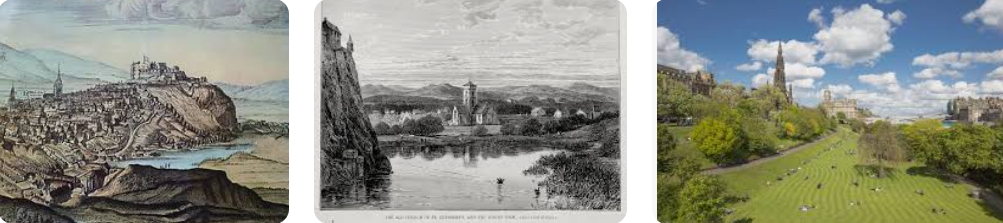
In 1645, the Black Death swept through Edinburgh with devastating consequences. The disease, caused by the bacterium Yersinia pestis, thrived in the city's cramped tenements, unsanitary conditions, and dense population. Historians estimate that as much as half of Edinburgh's population may have perished during the outbreak.
The narrow closes and overcrowded buildings of the Royal Mile provided ideal conditions for the plague to spread. Waste accumulated in the streets. Rats flourished. Fleas carrying the disease moved freely among the population. Fear gripped the city as families watched loved ones fall ill and disappear with alarming speed.
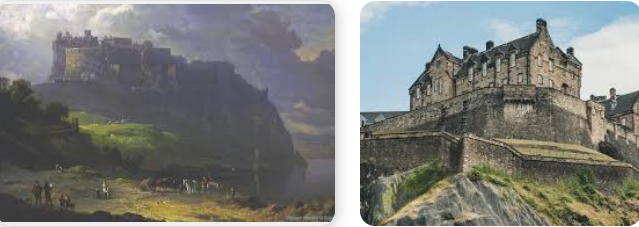
As burial grounds such as Greyfriars Kirkyard struggled to accommodate the growing number of dead, Nor' Loch became associated with the disposal of plague victims. While historians continue to debate the exact number of bodies consigned to the loch, historical accounts indicate that it served as a convenient and readily accessible dumping ground during one of the city's darkest periods.
No definitive evidence confirms that Nor' Loch functioned as a massive plague pit, yet its role in the disposal of the dead has been documented. Adding to the mystery, human remains were reportedly uncovered during construction projects near Waverley Station during the nineteenth century, lending further weight to stories linking the loch to Edinburgh's plague years.
The plague was not the only tragedy reflected in Nor' Loch's dark waters.
For generations, the loch became associated with witch trials, executions, drownings, and public punishments. Individuals accused of witchcraft were subjected to horrific ordeals during Scotland's witch hunts. Public executions attracted crowds eager to witness justice, while the waters themselves became the setting for numerous drownings and grim spectacles.
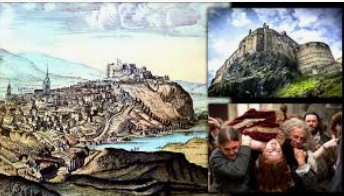
By the eighteenth century, Nor' Loch had earned a reputation as one of the most unpleasant places in Edinburgh. Contemporary accounts describe not only the unbearable odor but also strange effects caused by gases rising from the stagnant water. Some reports even claimed that methane emissions from the decaying matter below contributed to hallucinations and unsettling experiences among those who ventured too close.
Eventually, enough was enough.
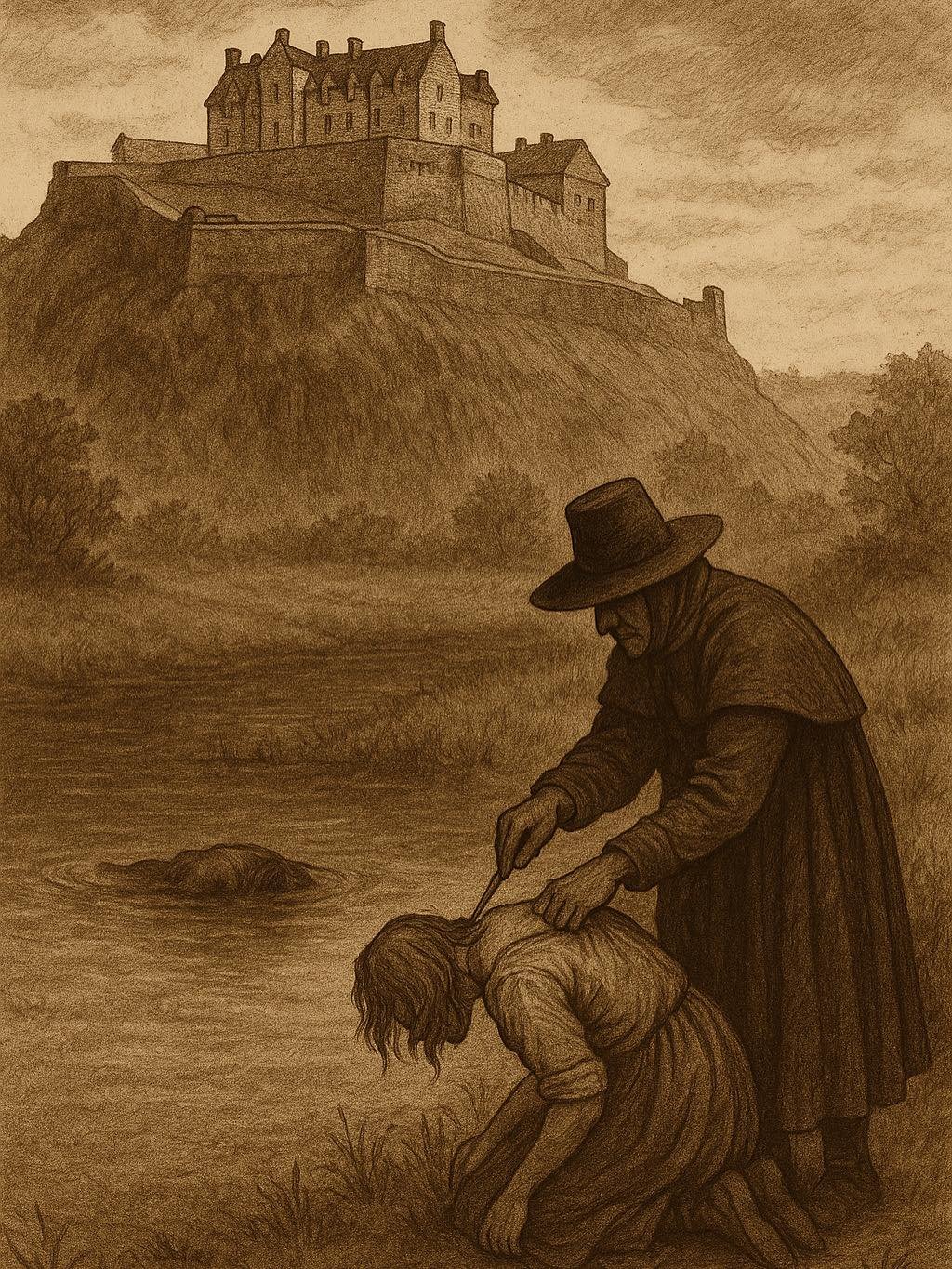
Beginning in 1754, city leaders undertook efforts to drain the loch. The process continued over several decades, ultimately transforming the area into what would become Princes Street Gardens by the early nineteenth century. The fetid waters disappeared, replaced by one of Edinburgh's most beloved public spaces.
Today, thousands of visitors stroll through the gardens each year, pausing to admire Edinburgh Castle towering above the city skyline. Few realize they are standing atop ground once associated with plague, death, punishment, and despair.
The story of Nor' Loch serves as a reminder that history often lies hidden beneath the surface of the places we admire most. Beneath the gardens, beneath the pathways, and beneath the carefully maintained landscape linger echoes of a city struggling to survive disease, poverty, and fear.
The waters are gone, but the memories remain.