
Psychic Capital Of The World
Where the Living Borrow the Language of the Dead
Cassadaga, Florida — the town that learned to speak in whispers
https://youtube.com/shorts/wiTmQAuiZYw
In the center of Florida, far from the neon coastlines and crowded theme parks, there is a town that survives on whispers.
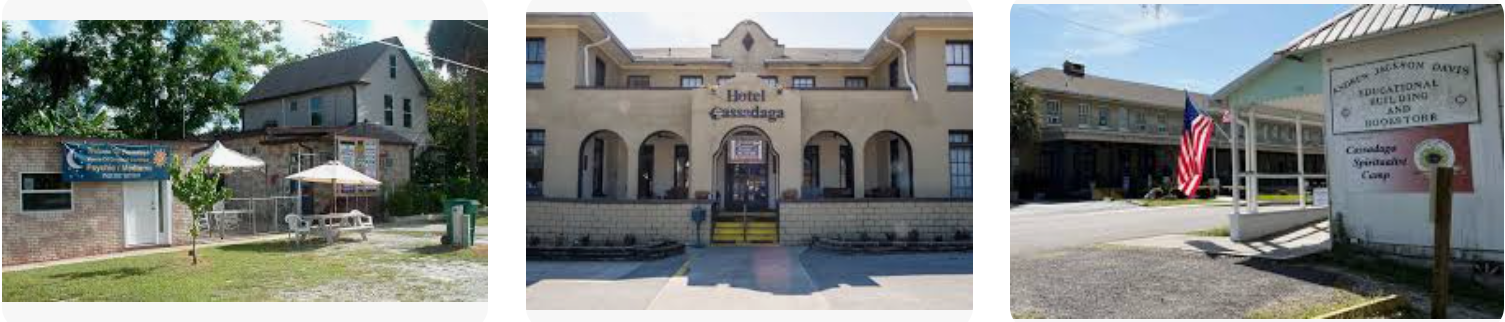
Cassadaga does not announce itself loudly. You arrive through narrow roads lined with towering oaks and curtains of Spanish moss, the kind of scenery that already feels halfway removed from ordinary life. The homes are modest. The streets are quiet. Wind chimes sway lazily on porches where strangers sit waiting for answers they cannot find anywhere else.
Yet for more than a century, people have traveled here hoping to speak with the dead.
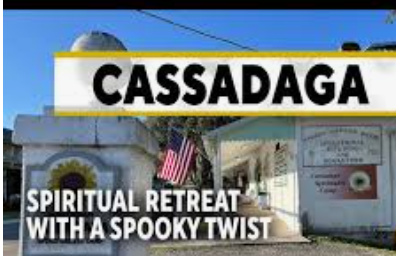
Founded in 1894 by Spiritualist medium George P. Colby, Cassadaga began as a Spiritualist camp after Colby claimed he was guided there by spirit voices during a journey through the American South. What started as a remote religious settlement slowly transformed into one of the most unusual communities in the United States — a town built not around farming, railroads, tourism, or industry, but around communication with the unseen.
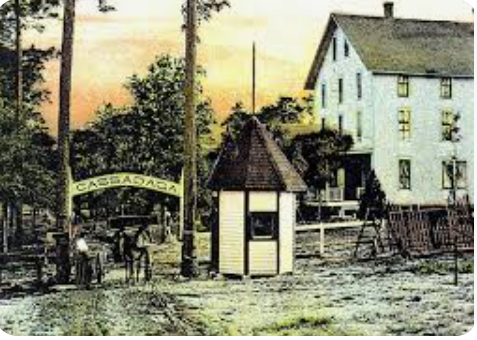
In Cassadaga, séances became tradition. Mediumship became profession. Faith itself became architecture.
The town still carries that identity today.
Visitors walk past candlelit reading rooms where mediums offer messages from departed loved ones. Some come searching for comfort after loss. Others arrive as skeptics, tourists, or thrill-seekers hoping to witness something they cannot explain. But even skeptics often admit the atmosphere feels different here — quieter somehow, as if the town absorbs sound instead of reflecting it.
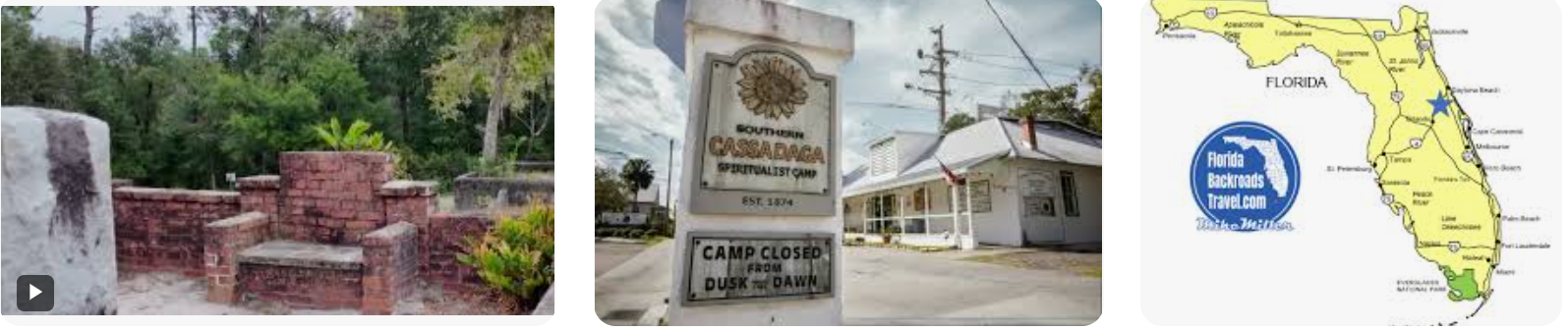
At dusk, the sidewalks begin to empty, and the glow from old windows spills softly onto the streets like lantern light from another century. Shadows move between the cottages. Wind slips through the trees with a voice-like hush. Whether imagined or real, the sensation lingers: the feeling that someone is standing just beyond sight.
Stories follow visitors home.
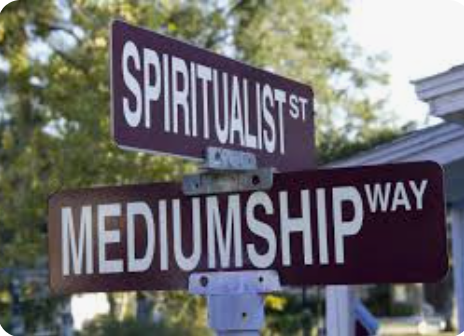
Some claim they heard footsteps in empty rooms. Others describe sudden cold air, whispered names, or dreams vivid enough to feel borrowed. Local tours recount sightings of wandering figures near the historic hotel and unexplained movements inside homes where generations of mediums once lived and practiced. Believers call the town spiritually active. Skeptics call it psychology mixed with atmosphere.
Perhaps it is both.
But what makes Cassadaga remarkable is not whether ghosts exist.
It is the fact that an entire town openly organized itself around the possibility that they might.
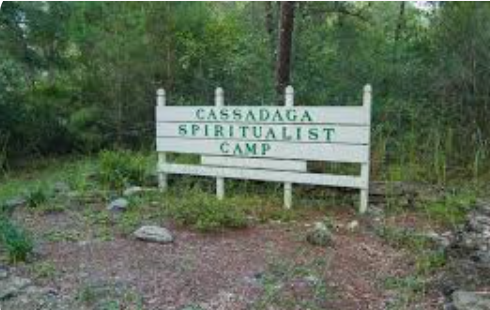
America is filled with places devoted to commerce, entertainment, and distraction. Cassadaga chose something stranger: listening. It became a community where people gather not to escape mortality, but to question it directly. In a world obsessed with certainty, Cassadaga survives on mystery.
And mystery is powerful.
The town stands today as a living museum of belief — a place where Victorian Spiritualism never fully disappeared, where the line between performance and faith remains intentionally blurred. Even if one never experiences anything supernatural, the town still leaves an impression because it asks a question most places avoid:
What if silence is not empty?
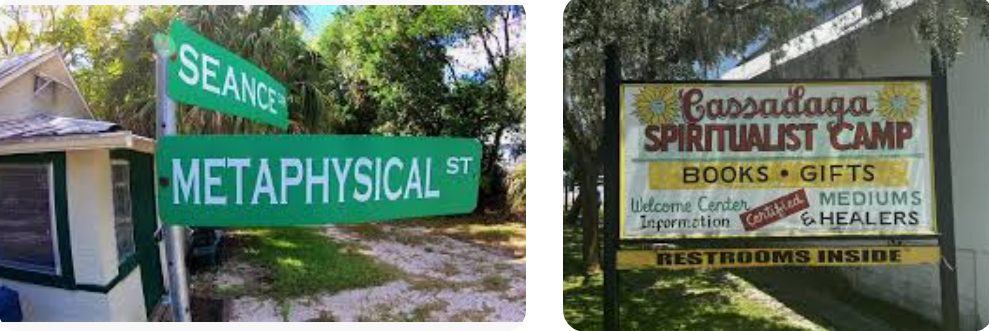
Whether one views Cassadaga as sacred ground, psychological theater, folklore, or simply an unusual Florida landmark, the result is the same. People continue to arrive carrying grief, curiosity, fear, and hope. They continue to sit across from strangers in dimly lit rooms asking for one impossible thing:
A sign.
And perhaps that is the true secret of Cassadaga.
Not that it speaks with the dead —
but that it understands how deeply the living wish they still could.