
Shadows of Kapılıkaya’s Tomb
https://youtube.com/shorts/oBYviCCyV6o
High above the broken veins of Anatolia, where wind claws at stone and silence presses like a held breath, the Mountain Door waits.
Kapılıkaya Rock Tomb is carved into a sheer cliff in the Kırkdilim region of Çorum, Turkey—27 kilometers north of the modern city, yet centuries removed from anything resembling the present. From below, it appears impossible, a doorway cut where no door should be, staring out over steep valleys that have swallowed footsteps, voices, and names.
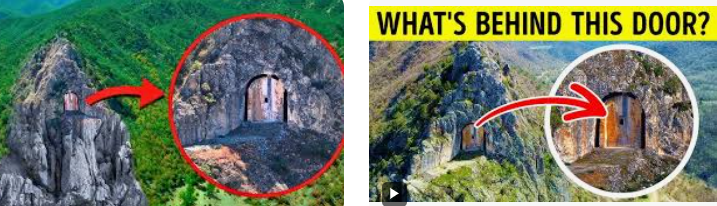
This is no natural cave. It is a deliberate wound in the mountain.
Carved in the 2nd century BCE during the Hellenistic period, Kapılıkaya belongs to a tradition of elite rock tombs scattered across Anatolia—burial chambers meant to lift the dead closer to the gods and farther from the reach of the living. These tombs were not built for comfort, nor for visitation. They were built to endure, to loom, to remind.
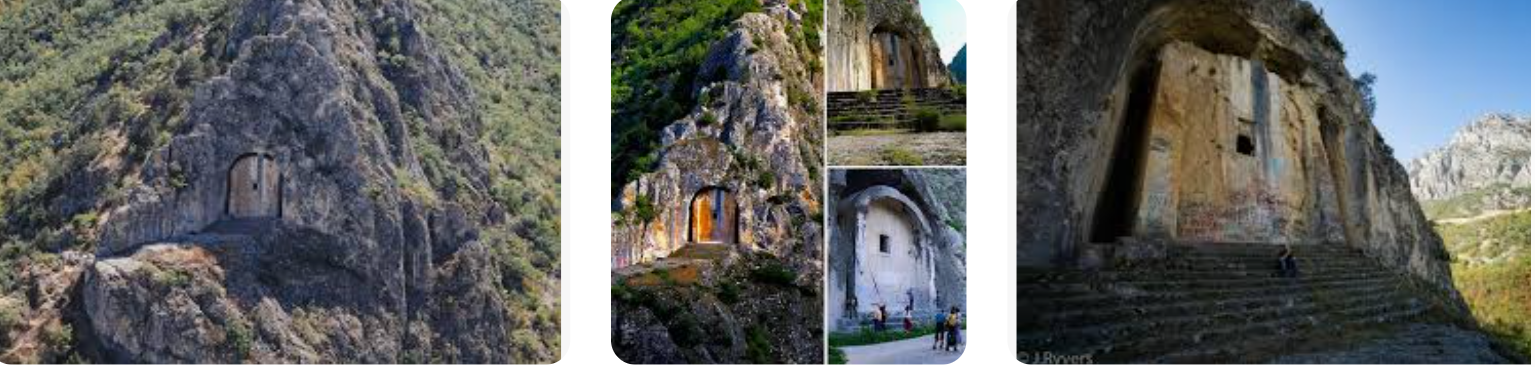
Above the entrance, time has left its marks: the name “Ikezios” etched into stone, and an ochre-colored cross whose meaning remains uncertain. Whether the cross was added later or symbolized a local belief system now lost to erosion is still debated. What remains undisputed is this—Kapılıkaya was meant to be seen, but not touched.
The cliff-face placement was intentional. The dead interred here were likely of high status—local rulers, nobles, or elites—those whose memory demanded altitude. To carve such a tomb required skilled artisans, precise planning, and the kind of authority that could command men to risk their lives suspended over empty air. There is nothing accidental about Kapılıkaya.
And yet, in the modern age, intention is often overshadowed by imagination.
In 2024, Kapılıkaya surged through social media wrapped in a new mythology. Viral posts claimed a drone pilot had discovered the tomb, scaled the cliff, fought off an eagle, and uncovered markings that hinted at a lost civilization or hidden realm beyond the stone door. The Mountain Door became, briefly, a portal—an entrance to something forbidden.
The story was compelling. It was also fiction.
Archaeologists had documented Kapılıkaya long before drones ever traced the sky. No hidden chambers were revealed. No secret civilization waited beyond the threshold. The viral tale unraveled under scrutiny, leaving behind the familiar truth: the mystery was not ancient—it was modern.
But dismissal does not drain Kapılıkaya of its power.
The tomb’s façade remains stark and unsettling, a perfect rectangle cut into chaos. It does not invite entry. It does not explain itself. It watches. Wind whistles through the valley below like a breath exhaled by the mountain itself, and shadows pool at the threshold as if reluctant to cross.
Today, thousands visit Çorum’s historical sites each year, drawn by ruins, inscriptions, and the promise of proximity to antiquity. Kapılıkaya stands apart from them all—distant, elevated, and untouched. No guided path leads to its door. No plaque softens its presence.
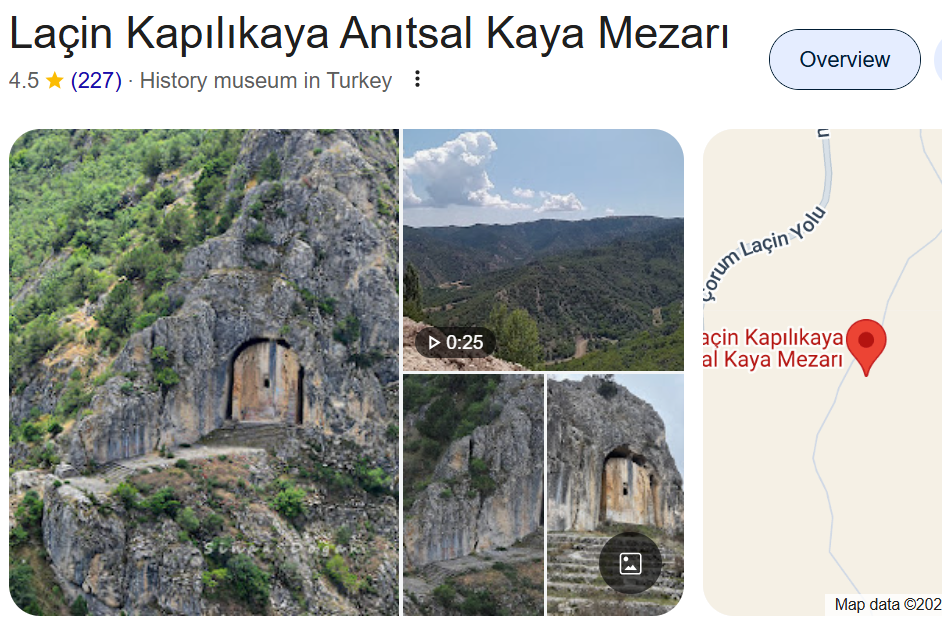
There is no portal here. No hidden world. No supernatural passage.
And yet, the Mountain Door endures.
Because some places do not need secrets to be unsettling. Stone remembers hands long turned to dust. Names carved into rock outlive bloodlines. And a doorway that leads nowhere still reminds us of something we are no longer meant to enter.
Let the Mountain Door remain closed.
Some thresholds exist only to be witnessed.
#KapilikayaTomb #MountainDoor #TalesOfTheUnseen #GothicDustDiaries #TurkeyMystery #HellenisticRelic #AncientTomb #GDDUnseen