
Intelligence of Ravens Gothic
and Their Role in the Gothic
https://youtube.com/shorts/4PF7yMVgBiM
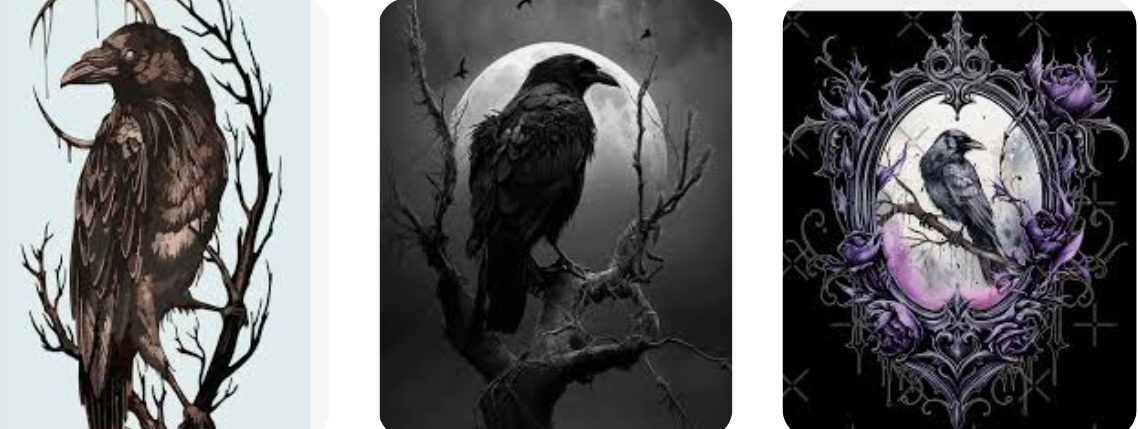
In the shadowed corridors of mythology and gothic imagination, the raven endures as more than flesh and feather. It is a watcher, a keeper of secrets, lingering at the edge of worlds where knowledge feels earned rather than given. Dark-winged and deliberate, the raven occupies a symbolic space steeped in intelligence, magic, and quiet menace—forever perched between life and death, memory and fate.
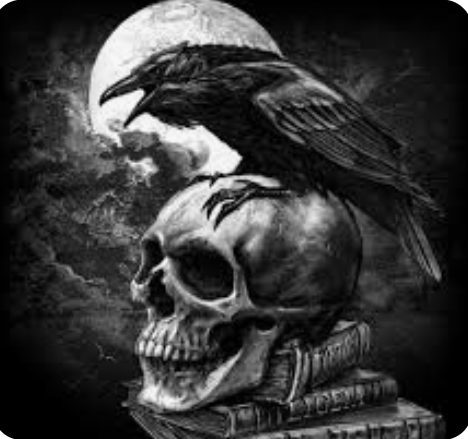
In ancient Norse mythology, two ravens—Huginn and Muninn—circle the throne of Odin, the All-Father. Their names, often translated as “thought” and “memory,” reveal the depth of their purpose. Each dawn, they are released into the vastness of the nine worlds, gathering whispers of all that stirs beneath the surface of existence. At dusk, they return, settling close to Odin’s shoulders, murmuring what they have seen. In this role, the ravens are not companions but conduits—bearers of perception, intellect, and awareness that transcends mortal limitation. They embody the unsettling idea that nothing truly goes unseen.
This reverence for the raven did not arise from myth alone. In the natural world, ravens possess a startling intelligence. They solve complex problems, fashion and use tools, recognize individual faces, and remember both kindness and threat. Their social structures and communication suggest deliberation rather than instinct. To ancient observers, such intelligence could only be interpreted as something bordering on the uncanny. The raven’s sharp gaze and calculated movements feel less like chance and more like intention—fueling its reputation as a messenger of hidden truths and a witness to events meant to linger in memory.
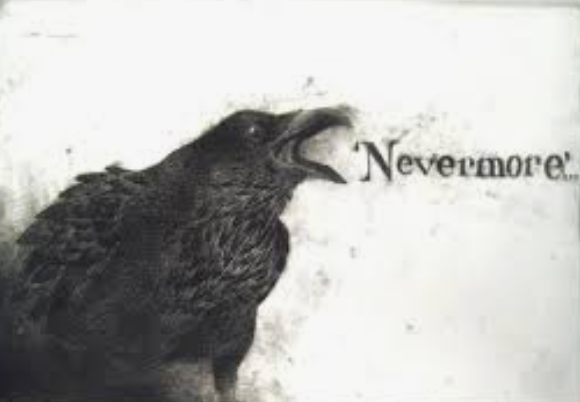
Gothic literature, drawn instinctively to symbols that unsettle the mind, found a perfect emissary in the raven. Edgar Allan Poe’s “The Raven” immortalized the bird as an apparition of grief and remembrance. The raven’s single, relentless utterance—“Nevermore”—is not merely speech, but judgment. It reflects the narrator’s despair back upon him, acting as both mirror and omen. In gothic tradition, the raven does not comfort. It reveals. It lingers where sorrow gathers, offering clarity stripped of mercy.
Across cultures, ravens have long been read as omens—not solely of death, but of transition. Their black plumage and association with battlefields and carrion bound them to mortality, yet their intelligence elevated them beyond simple symbols of decay. They appear at moments of transformation, when the veil thins and the old order falters. In this liminal role, the raven becomes a guide through thresholds—those uneasy spaces where truth is revealed at a cost.
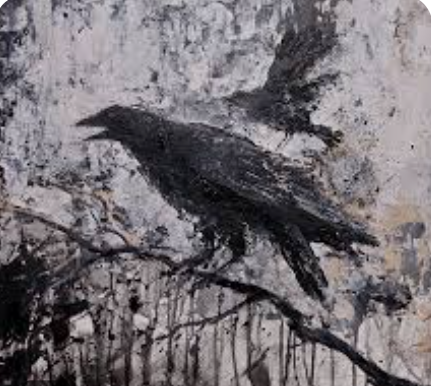
Within gothic magic, the raven’s intelligence magnifies its symbolic power. It stands as an emblem of the seeker’s path: to observe without flinching, to remember what others bury, and to understand what is whispered rather than spoken aloud. Whether perched in candlelit silence or echoing endlessly through a poem’s final line, the raven remains a sentinel of the arcane—patient, knowing, and impossible to ignore.
#RavenMagic #GothicLore #OdinHuginnMuninn #EdgarAllanPoe #MysticalBirds #OmensAndProphecy #DarkNature #Symbolism #GothicDustDiaries #RavenSymbolism #GothicMagic #OdinRavens #TheRavenPoe