
Were Bridesmaids Originally Decoys?
Ancient Weddings, Evil Spirits, and the Strange History Behind Matching Dresses
There they stand in almost every traditional wedding photograph: a row of women wearing the same color, carrying similar flowers and surrounding one very recognizable bride.
Today we call them bridesmaids.
But according to one of the more intriguing explanations of wedding history, there was once a very practical—and rather creepy—reason for making everyone look alike.
The bridesmaids were decoys.
Or were they?
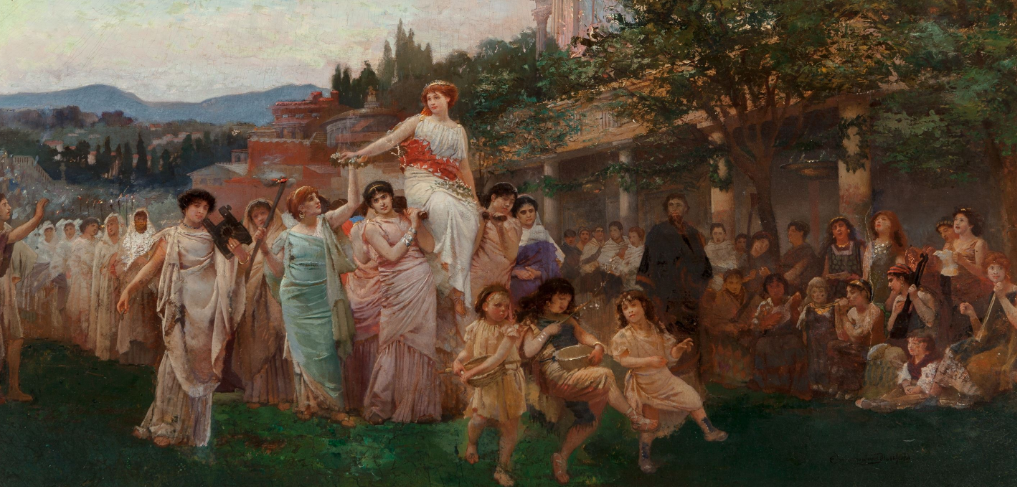
The Story We've Been Told
Search for the origin of bridesmaids and you'll quickly encounter a story involving ancient Rome.
According to the popular version, brides and their attendants dressed alike so that anyone wishing the bride harm couldn't determine which woman she was.
Sometimes the threat is evil spirits.
Sometimes it is jealous former suitors.
And in still other versions, it is kidnappers or thieves.
Surround the bride with women who look just like her, the theory goes, and suddenly supernatural—and human—troublemakers have a much harder time finding their target.
It's wonderfully dramatic.
It's also repeated far more confidently than the surviving evidence seems to justify.
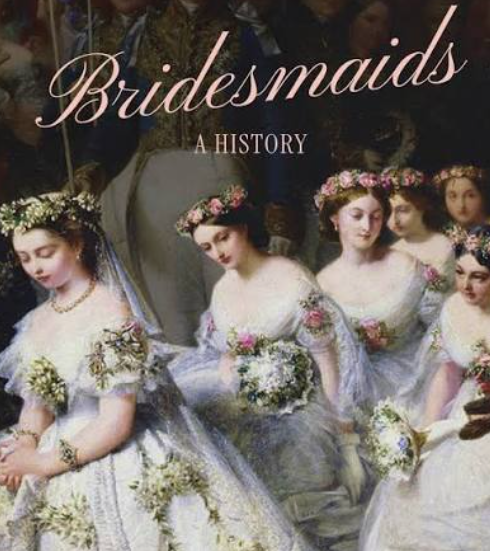
The Roman Connection Is Real
Marriage in ancient Rome could involve witnesses, attendants, ritual clothing and an elaborate procession from the bride's family home to that of her husband.
One particularly formal form of Roman marriage, confarreatio, involved ten witnesses.
So, the idea that ancient Roman weddings could involve a considerable group of people surrounding the couple isn't an invention.
The questionable leap comes afterward.
The frequently repeated claim that Roman law required those witnesses or bridesmaids to dress exactly like the bride specifically to confuse evil spirits is difficult to trace to an ancient Roman source.
Modern articles repeat it constantly. Even respectable publications describe versions of the tradition, but often as a theory or a tradition “said” to date to Roman times rather than pointing to the ancient text that establishes it.
And that's where history starts turning into folklore.
But People Really Were Afraid for Brides
That doesn't mean the darker explanation appeared out of nowhere.
Marriage historically could involve genuine concerns about a bride's safe passage, family disputes and the threat—real or symbolic—of capture.
An article published all the way back in 1884, titled Old Notions Concerning Bridesmaids, suggested that the bridesmaid's role may have survived from older traditions involving “marriage by capture,” with the bride's companions helping resist her being carried away.
That doesn't prove ancient Roman bridesmaids were identical human decoys.
But it does show that the idea of attendants protecting a bride isn't merely a twenty-first-century internet invention.
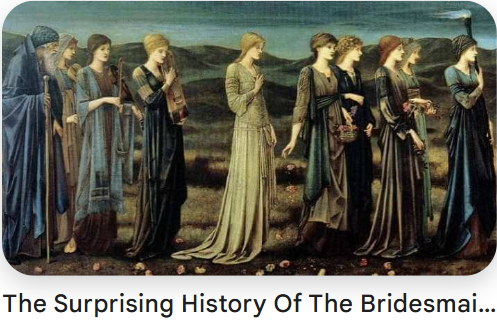
The Victoria and Albert Museum also notes a long association between similarly dressed female attendants and protection. In the 1830s, bridesmaids and even wedding guests sometimes wore veils, and historical explanations connected groups of similarly dressed women with protecting the bride from either supernatural danger or threats encountered while traveling.
Then Came the Victorians
If you're looking for much firmer ground beneath all those matching dresses, the nineteenth century provides it.
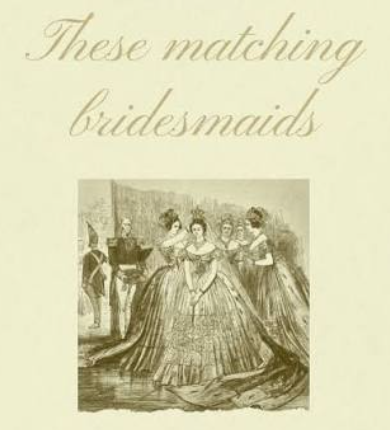
Queen Victoria married Prince Albert in 1840, famously wearing white. Her twelve bridesmaids also appeared in coordinated white dresses. Later Victorian wedding fashion continued the visual relationship between bride and attendants.
By then, however, bridesmaids weren't being deployed as some sort of supernatural Secret Service.
Matching clothing had become part of wedding ceremony, fashion and visual tradition.
And eventually the bride became unmistakable while her attendants matched one another.
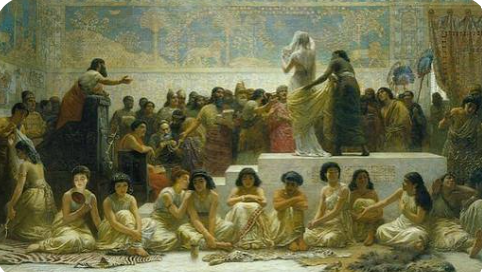
The uniform bridesmaid dress we recognize today was taking shape.
So, Were Bridesmaids Really Decoys?
Possibly in some places and periods—but the wonderfully specific story that ancient Roman bridesmaids dressed identically to the bride so demons wouldn't know whom to attack deserves a large folklore asterisk.
Ancient wedding attendants? Yes.
Wedding rituals intended to protect brides? Absolutely.
Historical fears involving supernatural forces, strangers, hostile families and abduction? Those existed too.
A clear ancient Roman source establishing our familiar matching-bridesmaid tradition as a deliberate army of decoy brides?
That's much harder to find.
And perhaps that's why the story has survived so beautifully.
We look at a modern wedding photograph and see coordinated dresses.
Our ancestors may have seen something else entirely:
A woman leaving one life for another, surrounded by other women who accompanied her, witnessed the transition—and sometimes were believed to help protect her along the way.
Somewhere across the centuries, ritual became fashion, fashion became tradition, and tradition acquired a very good ghost story.
And honestly?
That's much more Gothic Dust Diaries. 🖤
#Bridesmaids #WeddingTraditions #WeddingFolklore #AncientWeddings #AncientRome #VictorianWeddings #Folklore #StrangeHistory #WeddingSuperstitions #BridalTraditions #ForgottenHistory #GothicDustDiaries