
Dwarka
The City the Sea Refused to Forget
There are stories humanity tells for so long that eventually we stop asking whether they began as stories at all.
Dwarka is one of them.
On the western coast of India, the modern city of Dwarka is one of Hinduism's sacred cities, intimately associated with Krishna. Ancient Hindu tradition describes Krishna's Dwarka as a magnificent city—and tells of its disappearance beneath the sea after Krishna departed the earthly world.
For generations, it belonged to that shadowy territory between religion, mythology and history.
Then people started looking underwater.
Beneath the Arabian Sea
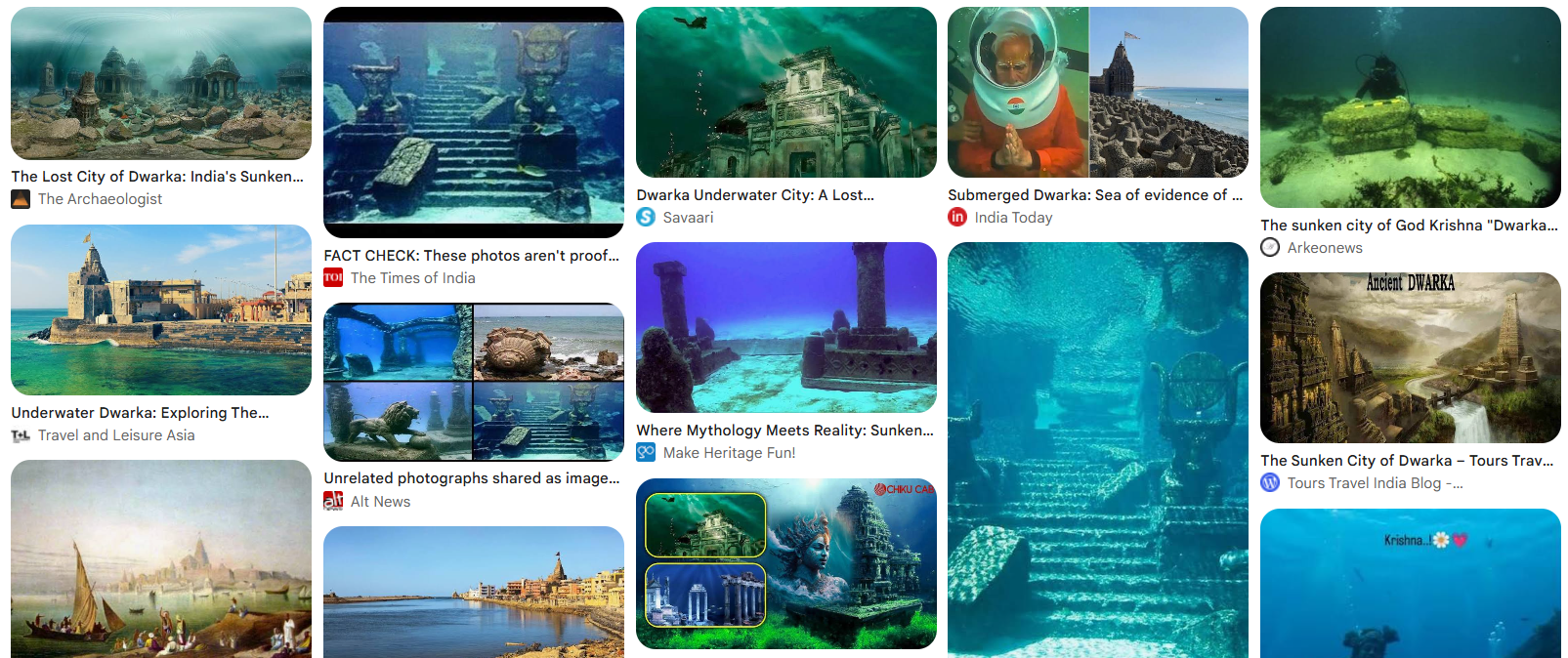
The search for submerged remains around Dwarka began during the 20th century. Archaeological excavation began in 1963, followed by extensive underwater investigations in the 1980s and afterward.
And there really was something down there.
Researchers discovered submerged structural remains, stone blocks, pillars and what UNESCO describes as a fortified foundation associated with ancient city walls. Numerous stone anchors were also recovered—evidence that Dwarka had once been connected to significant maritime activity.
That makes Dwarka different from many legendary lost cities.
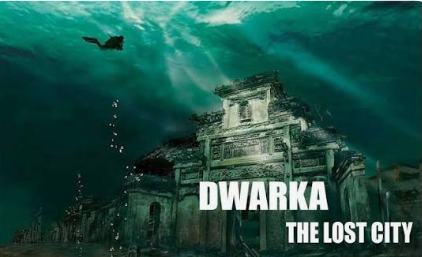
There is an actual archaeological site beneath the water.
But that doesn't answer the most fascinating question.
How Old Is It?
This is where the story becomes complicated.
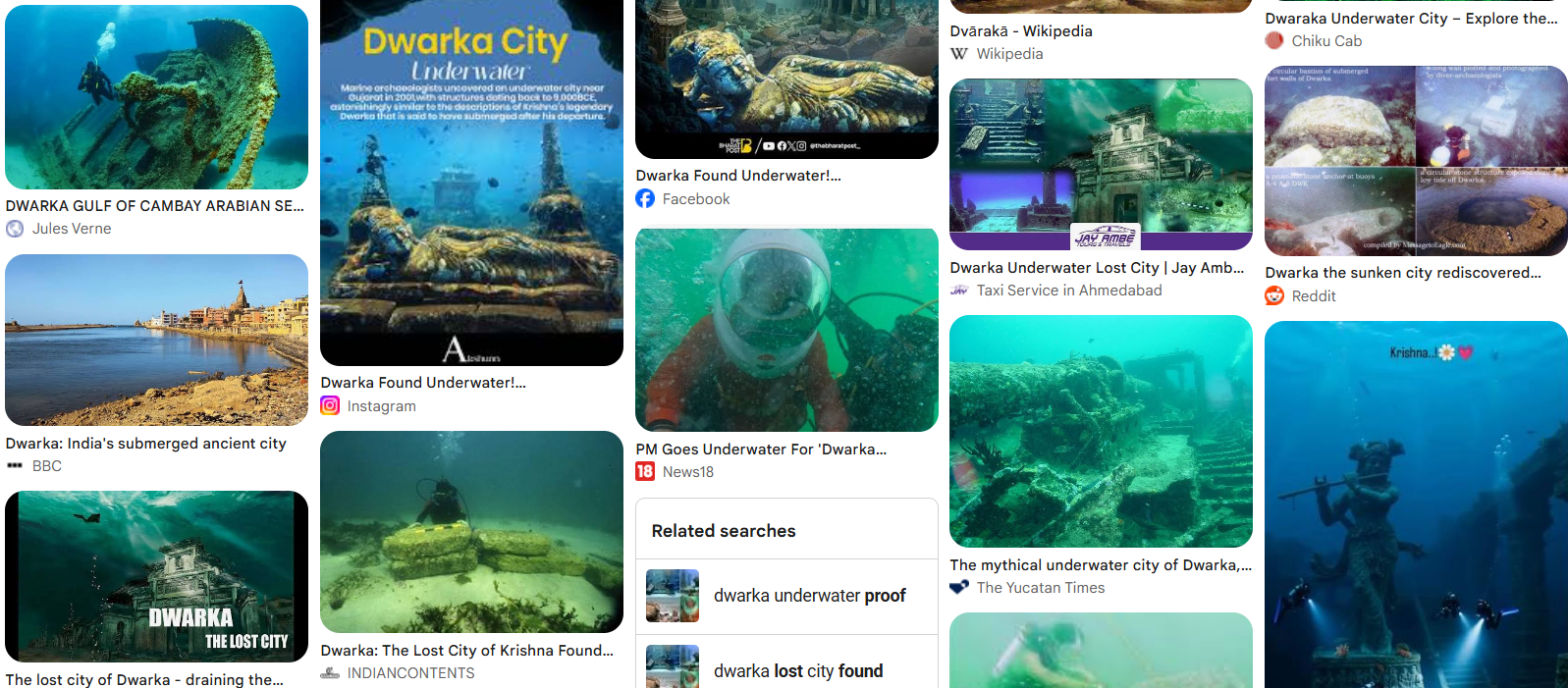
The age and interpretation of Dwarka's submerged remains remain debated. UNESCO notes that proposed dates for some remains have ranged enormously—from the ancient world into the medieval period. The anchors and other evidence also indicate that Dwarka continued functioning as an important trading port during much later centuries.
In other words, finding a submerged settlement near Dwarka does not automatically prove that archaeologists have discovered the city described in sacred tradition.
And archaeology has not established that Krishna lived there.
But neither is Dwarka simply an imaginary city invented by the internet.
There really are submerged archaeological remains.
There really was an important port.
And there really is an ancient tradition describing a city there that disappeared beneath the sea.
Those facts coexist with a very large unanswered question.
When Legend Meets Archaeology
Perhaps that is what makes Dwarka so compelling.
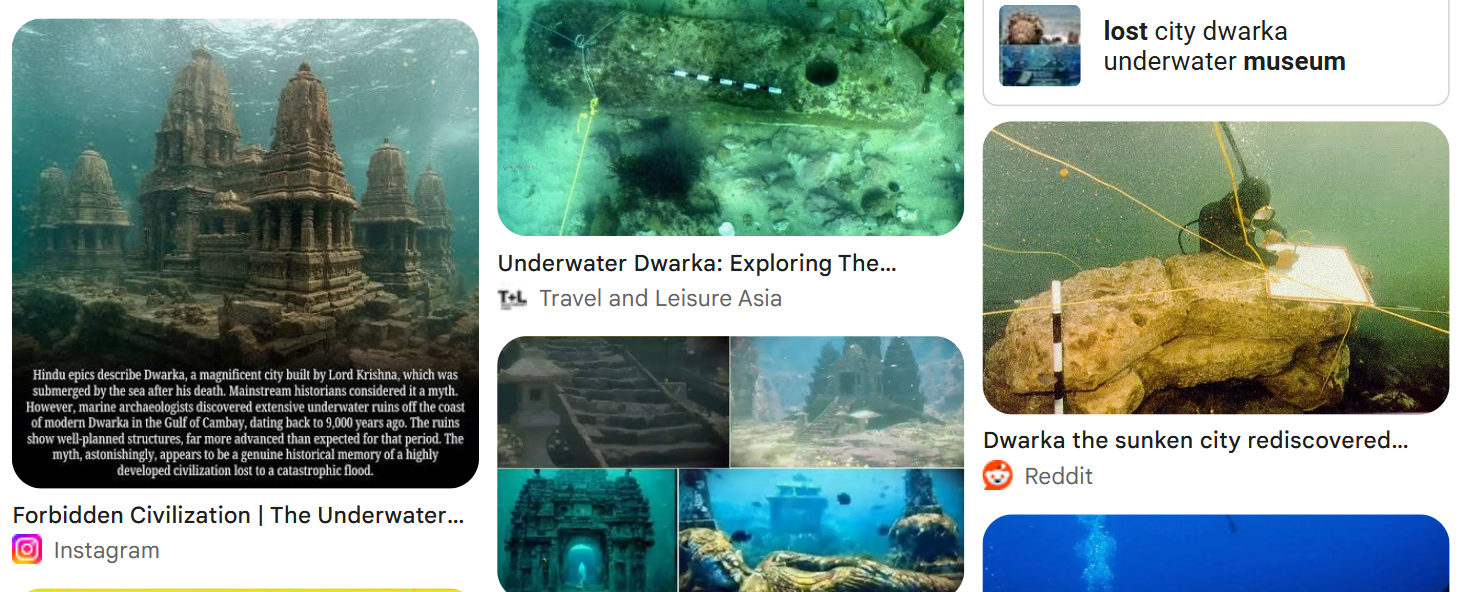
Archaeology occasionally discovers places once known primarily through ancient stories. Sometimes those discoveries explain the stories. Sometimes they contradict them.
And sometimes they make the mystery even better.
The sea is particularly good at keeping history complicated. Coastlines move. Settlements flood. Earthquakes alter landscapes. Harbors disappear beneath sediment. Generations build new cities over old ones.
Eventually, memory becomes legend.
And legend becomes myth.
But occasionally someone dives beneath the waves and discovers that something was there after all.
Whether the ruins beneath Dwarka belong to Krishna's legendary city remains an open and controversial question.
But perhaps we shouldn't ask only whether the legend is literally true.
Perhaps the more intriguing question is:
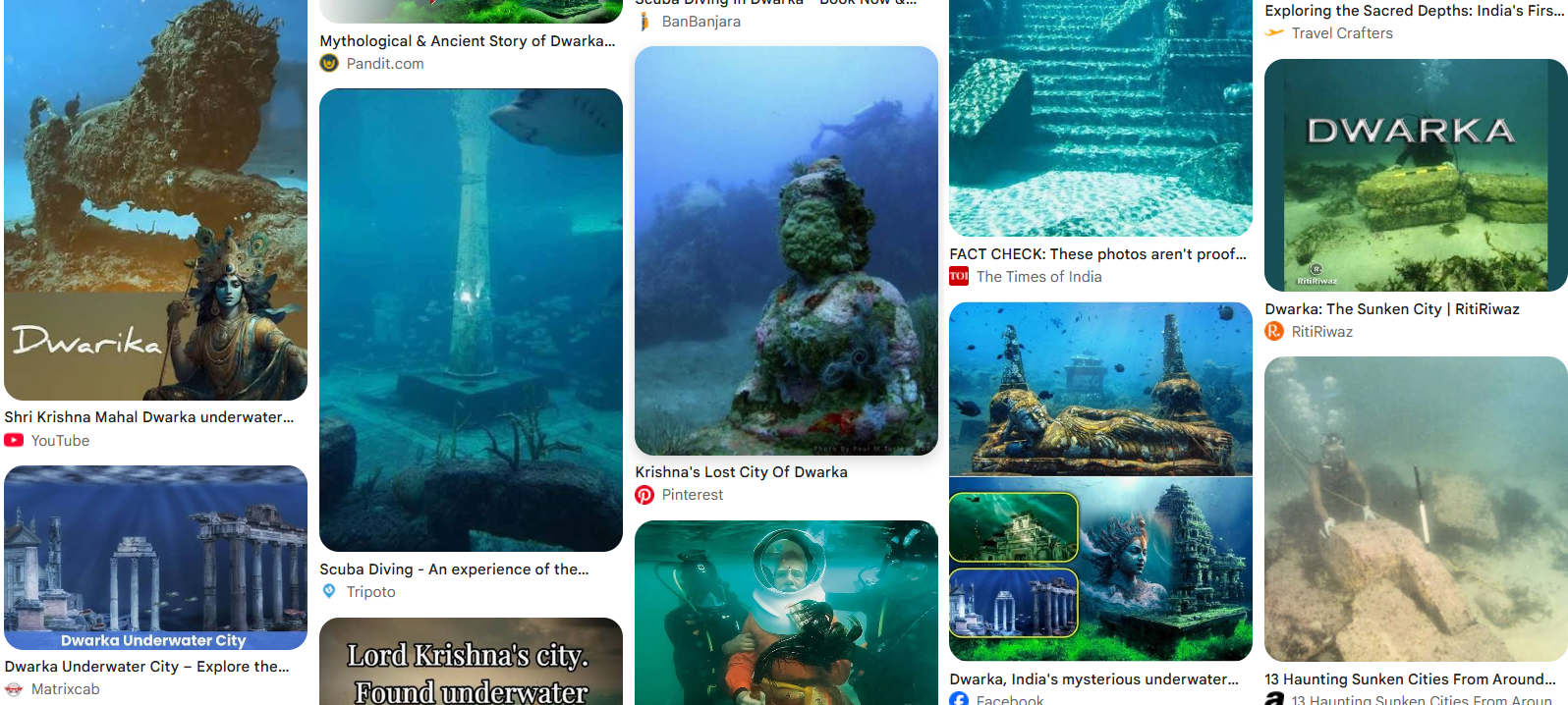
What happened on this coastline so long ago that people remembered a city being swallowed by the sea?
Somewhere beneath the Arabian Sea, pieces of that answer may still be waiting.
#Dwarka #SunkenCities #LostCities #UnderwaterArchaeology #AncientIndia #Krishna #HinduMythology #ArchaeologicalMysteries #AncientCivilizations #LostCivilizations #MaritimeArchaeology #LegendsAndHistory #MysteriesOfTheAncientWorld #RelicsOfTime #GothicDustDiaries