
Pavlopetri
The Ancient City Beneath the Sea
Imagine swimming through the clear waters of the Mediterranean and discovering something unexpected beneath you.
Not a shipwreck. Not a reef.
A street.
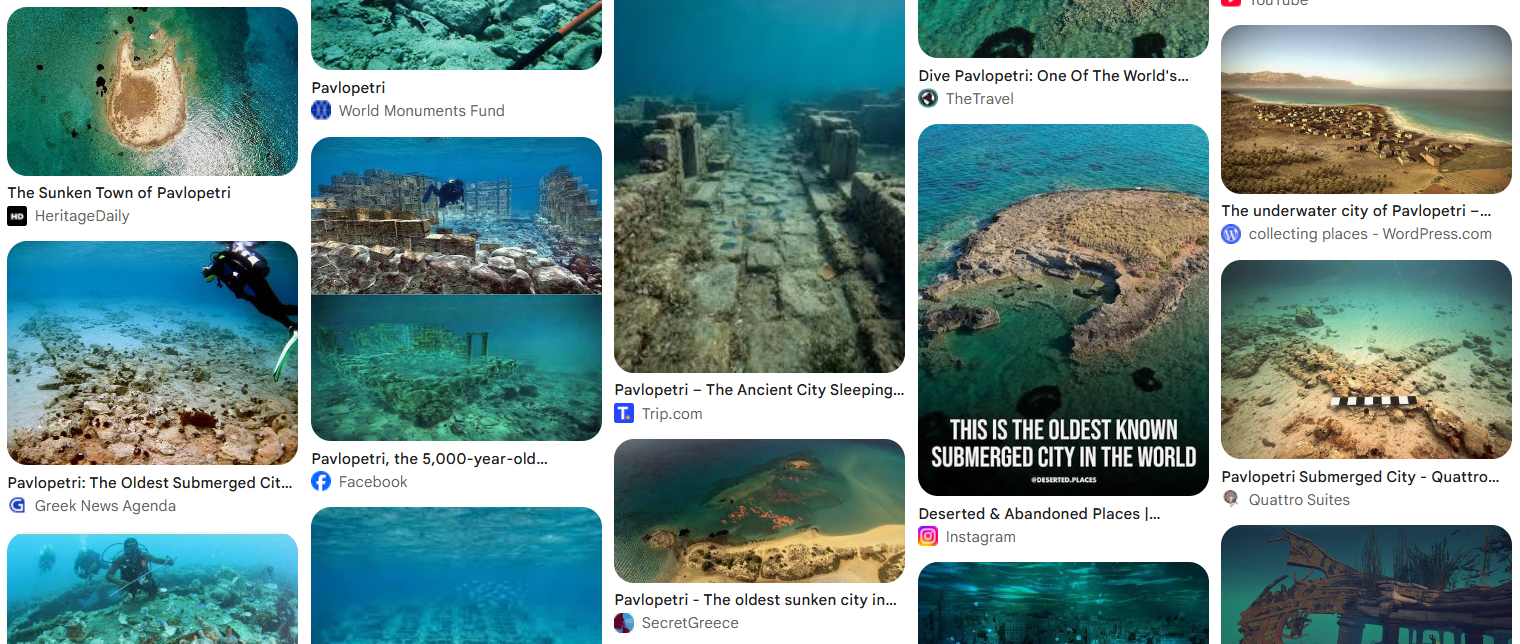
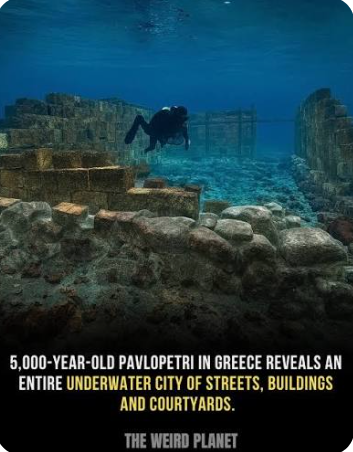
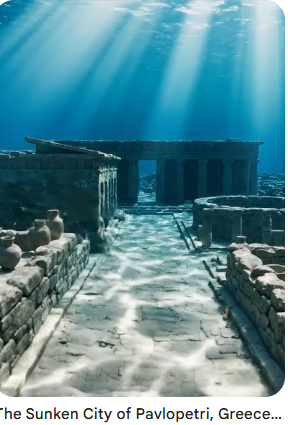
Follow it, and the outlines of ancient buildings begin to emerge. There are courtyards, rooms, and burial places, all resting beneath the water.
Welcome to Pavlopetri, one of the oldest known submerged settlements in the world.
A City Before Classical Greece
Located off the southern coast of Laconia, near the island of Elafonisos in Greece, Pavlopetri lies in relatively shallow water, approximately three to four meters beneath the surface in parts of the site.
Archaeological evidence suggests that people lived here as early as 3500 BCE, long before the magnificent temples and monuments we associate with classical Greece.
This was not simply a scattering of primitive dwellings. Pavlopetri was an organized settlement with streets, buildings, courtyards, and burial grounds.
Its location along the Mediterranean made it well suited for maritime activity. The inhabitants were part of a world in which seafaring, trade, and communication connected communities across the ancient coastline.
For generations, people walked these streets, raised families, worked, traded, and buried their dead.
Today, fish move through what remains of their neighborhoods.
The Discovery Beneath the Waves
Although submerged remains were noted in the early twentieth century, Pavlopetri attracted renewed archaeological attention in 1967, when oceanographer Nicholas Flemming identified the settlement.
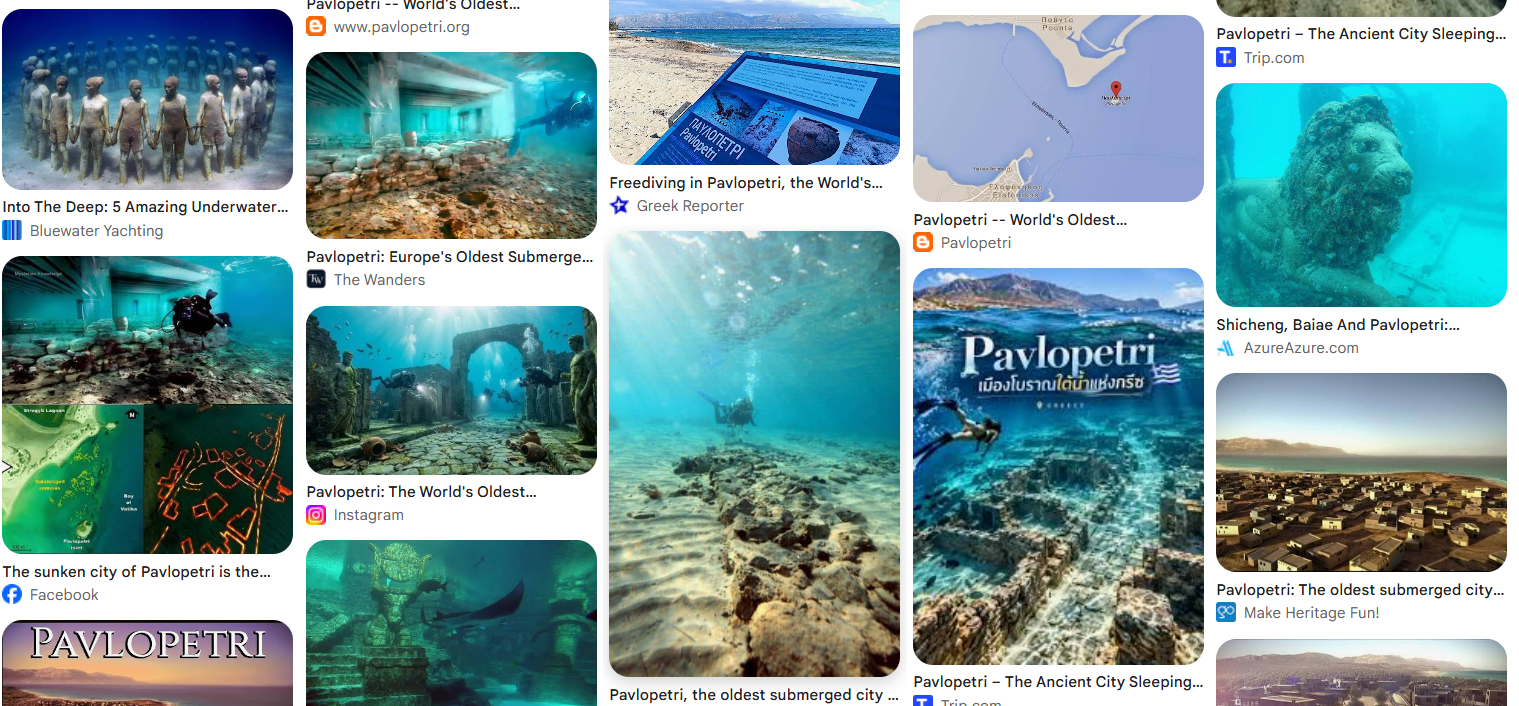
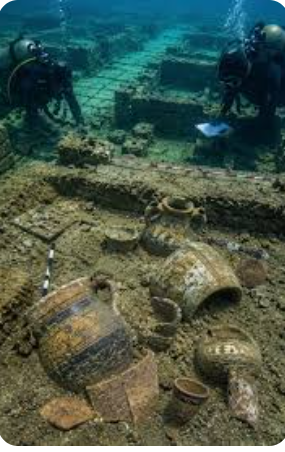
In 1968, a team from Cambridge University mapped the underwater remains using remarkably simple equipment: measuring tapes, grids, and snorkels.
Their work revealed a surprisingly recognizable town plan.
But Pavlopetri still held secrets.
Beginning in 2009, researchers from the University of Nottingham, working with Greek archaeological authorities and marine scientists, returned with advanced underwater mapping equipment.
Their surveys revealed additional structures and pottery indicating that the settlement was considerably older than previously believed.
Instead of being merely a town from the later Bronze Age, Pavlopetri had roots stretching back more than five millennia.
How Did an Entire City Disappear?
Unlike the legendary destruction of Atlantis, Pavlopetri's submergence does not require a mysterious catastrophe.
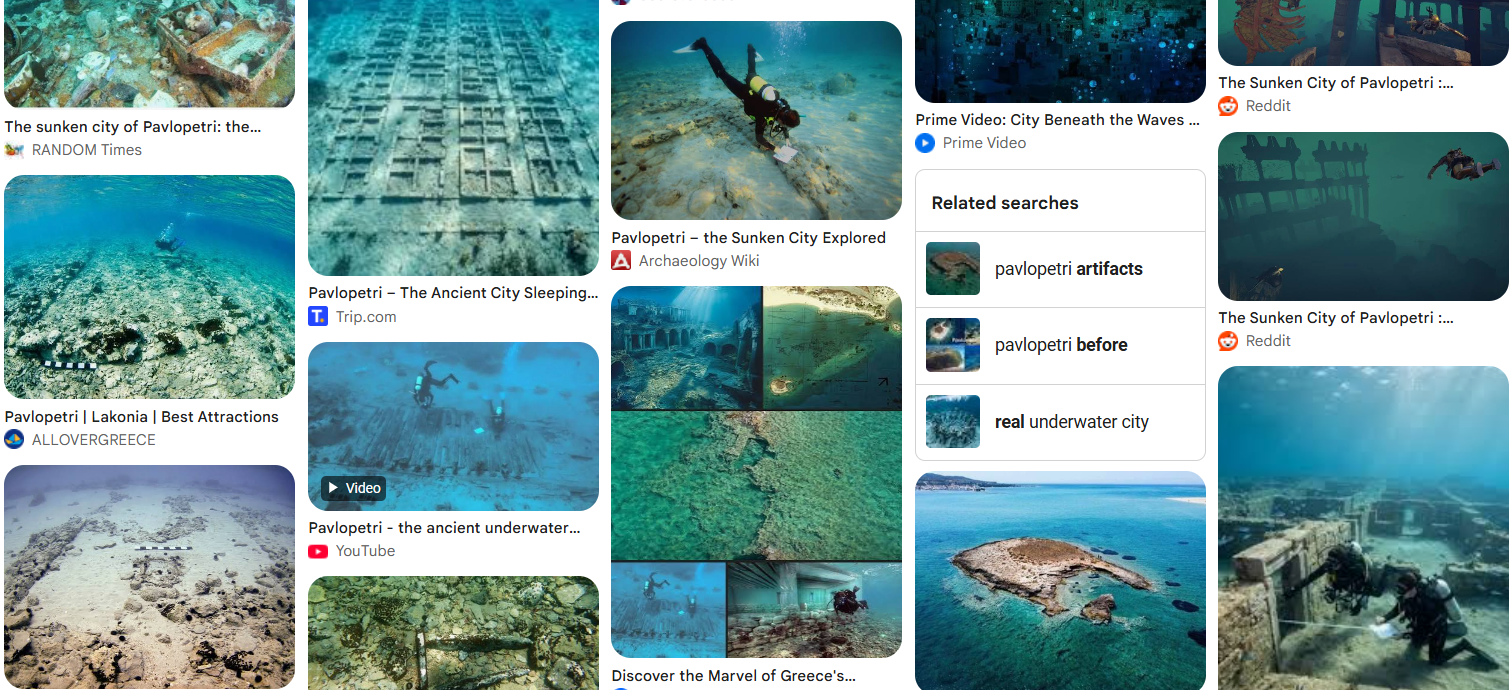
The region is geologically active, and the relationship between land and sea has changed dramatically over thousands of years.
Researchers have examined rising sea levels, coastal changes, and tectonic movement as contributing factors.
The precise sequence remains a subject of scientific study, but the outcome is unmistakable.
Land that once supported homes, streets, and daily life eventually disappeared beneath the Mediterranean.
And there the settlement remained.
A Remarkable Window Into Ordinary Lives
Perhaps the most fascinating thing about Pavlopetri is what it reveals about ordinary people.
Ancient history often celebrates kings, warriors, temples, and monumental tombs.
Pavlopetri offers something different.
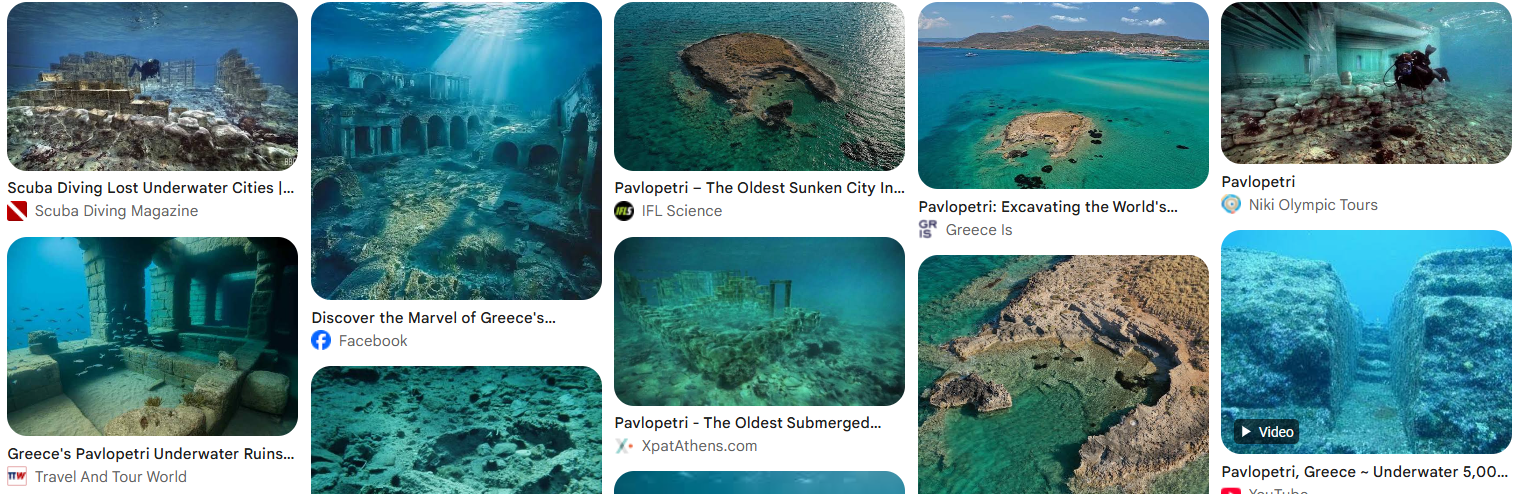
It preserves the layout of a community.
Its streets and courtyards invite us to imagine neighbors greeting one another, children moving between houses, merchants preparing goods, and families gathering at the end of a day.
We do not know the names of the people who lived there.
We cannot hear their conversations or recover every detail of their lives.
Yet the arrangement of their town tells us that they organized their world in ways we can still recognize.
The Fragility of a City Preserved
The sea has helped preserve Pavlopetri, but it has not guaranteed its protection.
Anchoring, pollution, looting, and other human activities threaten the archaeological remains.
In 2015, Pavlopetri was selected for the 2016 World Monuments Watch, drawing international attention to the need to protect this extraordinary underwater heritage.
The irony is difficult to ignore.
A settlement that survived thousands of years beneath the waves now faces dangers created by the modern world.
The City That Still Has a Story to Tell
There is something haunting about a city without rooftops, without voices, and without the movement of everyday life.
Pavlopetri does not rise from the water like a ruined castle. It waits quietly beneath the surface, its outlines visible to those who know where to look.
The sea has erased much of what once stood there, but it has not erased the evidence that people lived, loved, worked, and dreamed along this ancient shore.
Perhaps that is the true fascination of sunken cities.
They remind us that even the most familiar landscapes are temporary.
Where people once walked, the sea now moves.
And beneath those shifting waters, history is still waiting to be discovered.
#Pavlopetri #SunkenCities #GothicDustDiaries #UnderwaterArchaeology #AncientGreece #LostCivilizations #BronzeAge #ForgottenHistory