
Port Royal, Jamaica
The Wicked City That Slipped Beneath the Sea
The City the Sea Claimed
At the height of the 17th century, Port Royal, Jamaica was one of the busiest and most infamous cities in the New World.
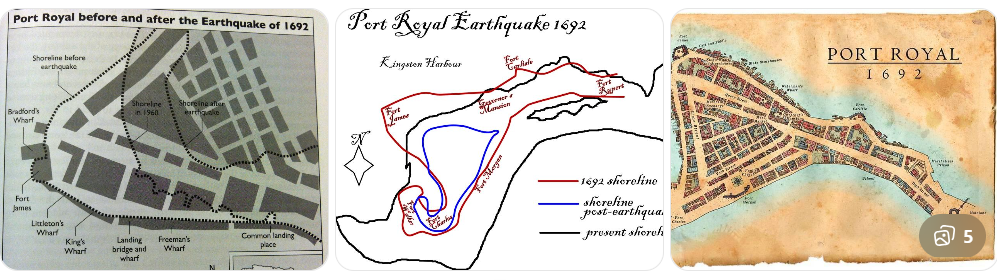
Situated at the mouth of Kingston Harbour, it became a hub for trade, privateering, and piracy. Wealth flowed through its docks, carried by merchants, sailors, and men whose fortunes were made far from lawful shores. Taverns, warehouses, and homes crowded the narrow strip of land, and the city’s reputation grew as quickly as its prosperity.
It was said that Port Royal was a place where gold moved freely, discipline was scarce, and excess was ordinary.
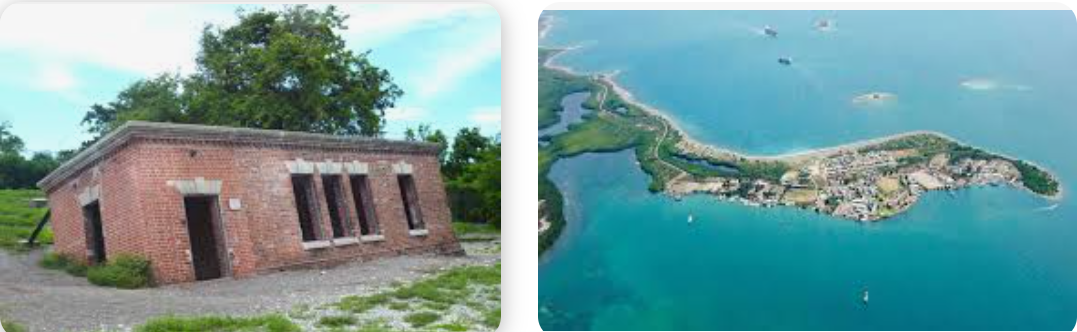
Then, on June 7, 1692, the ground began to move.
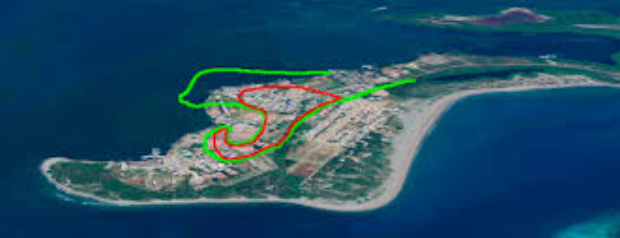
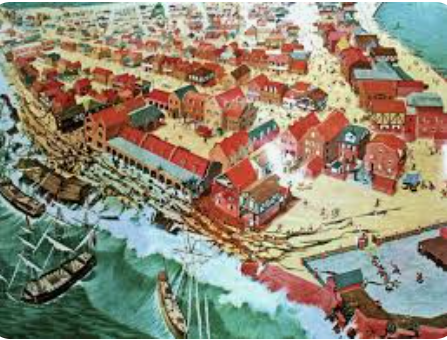
What followed was not a gradual disaster, but a sudden and violent collapse. The sandy foundation beneath the city liquefied during the earthquake, causing entire buildings to sink, tilt, or slide directly into the sea. Streets disappeared. Structures folded in on themselves. The shoreline shifted in moments.
Witnesses described people swallowed where they stood.
Within minutes, nearly half of Port Royal had been pulled beneath the water.
A tsunami followed shortly after, pushing waves through what remained of the city, carrying debris, ships, and fragments of lives that had existed only moments before. Fires broke out in the aftermath, and disease soon followed. What had been one of the most active ports in the Caribbean was reduced to ruin.
But unlike many lost cities, Port Royal was not completely erased.
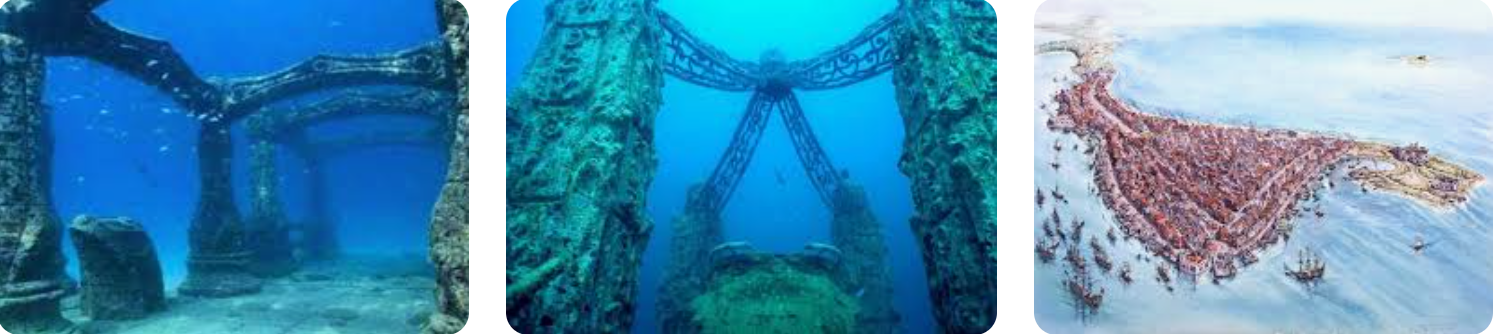
Beneath the waters of Kingston Harbour, large portions of the city still remain.
Archaeological dives have revealed streets, buildings, and everyday objects preserved under layers of sediment. Glass bottles, tools, and household items have been recovered in remarkable condition, offering a rare and detailed glimpse into life before the disaster.
Time, in a sense, stopped there.
The underwater remains of Port Royal are often described as one of the most important submerged archaeological sites in the Western Hemisphere. It is not a legend or a myth, but a documented place where history rests beneath the surface.
What once stood as a symbol of wealth and excess now exists in stillness, its structures preserved not by design, but by the very event that destroyed it.
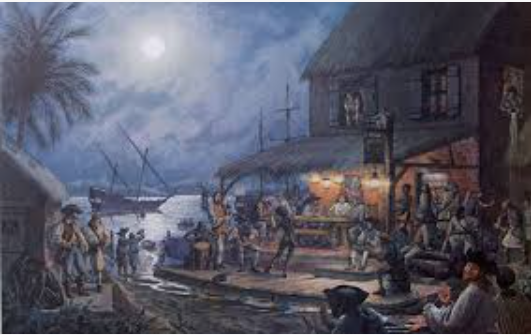
The name Port Royal may feel familiar, echoing through films like Pirates of the Caribbean: The Curse of the Black Pearl, where it appears as a thriving colonial port. But the real city did not remain above water long enough to become legend—it slipped beneath the sea, leaving its story behind in silence.
Port Royal did not fade slowly.
It slipped beneath the sea—and stayed there.