
The North Water — Gothic Horror Without Ghosts
https://youtube.com/shorts/n5nvrbOuL1s
Welcome back to the darker waters of the Sunken Page, where the sea does not whisper — it devours.
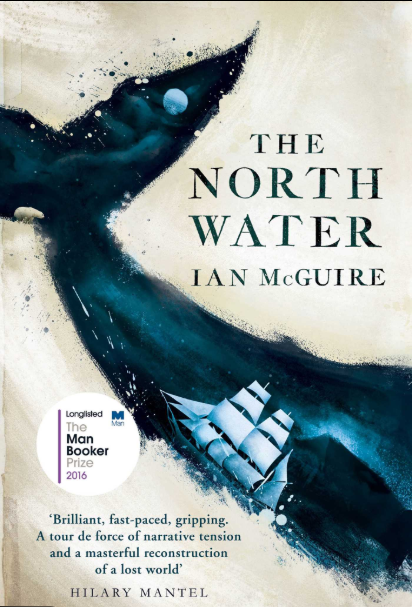
At first glance, The North Water by Ian McGuire might not appear to be gothic fiction in the traditional sense. There are no crumbling castles, no spectral women in corridors, no candlelit secrets hiding behind velvet curtains. Instead, McGuire offers something colder and perhaps more frightening: a world where nature itself is indifferent, and humanity becomes the monster.
Set aboard a whaling ship bound for the Arctic in the 1850s, the novel follows men who are already damaged before they leave shore. The endless ice, darkness, and isolation strip away whatever civilized veneers they once possessed. As the journey progresses, survival becomes the only law — and morality dissolves into something primal.
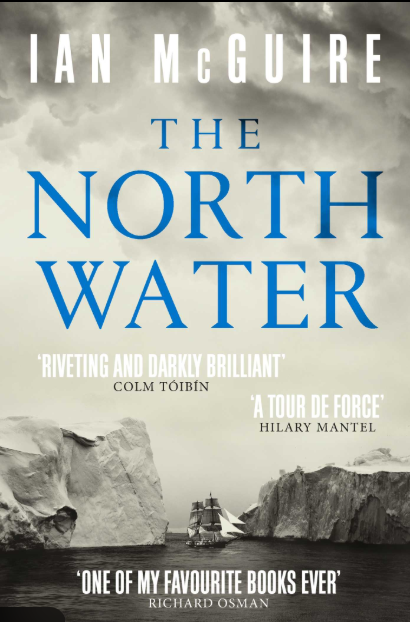
This is where the book becomes unmistakably gothic.
The ship feels like a floating tomb, suspended between life and death. The frozen ocean stretches endlessly, a vast white void that mirrors the moral emptiness growing among the crew. Instead of supernatural terror, the horror here comes from watching people unravel when confronted with hunger, fear, and absolute isolation.
The antagonist is not a ghost but a man whose brutality feels almost mythic — a reminder that gothic horror often explores the monstrous within humanity itself. The bleak beauty of the Arctic setting amplifies this theme, turning the environment into a silent witness to violence and desperation.
For readers of dark maritime tales, The North Water sits comfortably beside stories of doomed voyages and psychological descent. The prose is stark yet vivid, immersing you in the smell of blood, salt, and freezing air. It is not an easy read, nor is it meant to be. The novel demands that you confront discomfort — and that is precisely why it lingers long after the final page.
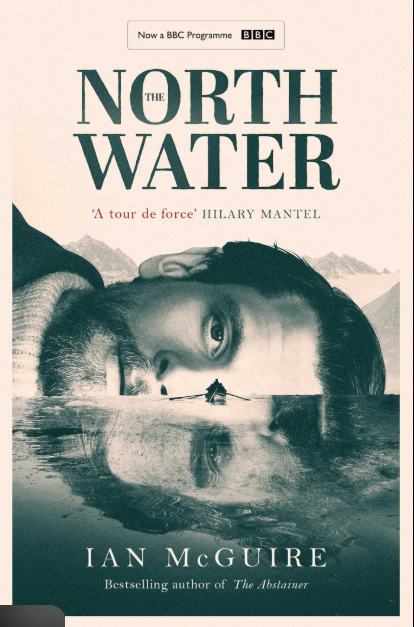
For the Gothic Dust Diaries, this book represents a different branch of gothic storytelling: one rooted in realism rather than the supernatural. It reminds us that sometimes the deepest abyss is not beneath the waves but within the human soul.
If your taste for fiction leans toward the cold, unforgiving side of darkness — where survival itself becomes a moral question — then this voyage is worth taking.
But be warned: the waters here are not gentle.