
Wilkie Collins
Architect of Unease and the Quiet Terror of the Familiar
Born: January 8, 1824 London, United Kingdom. Died: September 23, 1889 London, UK
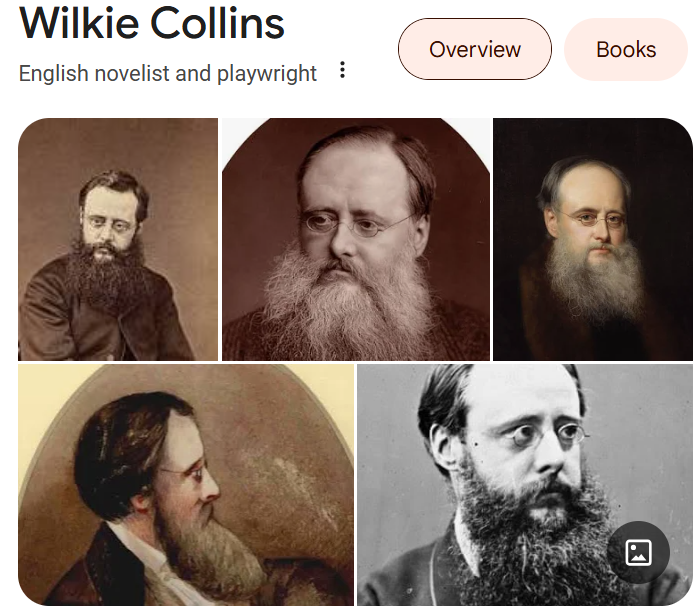
Wilkie Collins did not haunt castles. He did not require crumbling abbeys, storm-lashed cliffs, or supernatural beasts to unsettle his readers. Instead, he crept into drawing rooms, sickbeds, law offices, and parlors—those most respectable of spaces—and whispered that danger lives comfortably among us.
Born in 1824, Collins wrote during an age that prized order, propriety, and reason. Yet his fiction exposed the cracks beneath Victorian certainty, where inheritance laws strangled lives, marriages concealed cruelty, and identity itself could be erased with ink and intent. He understood something essential and enduring: the most frightening horrors are not monsters, but systems—and the people who quietly exploit them.
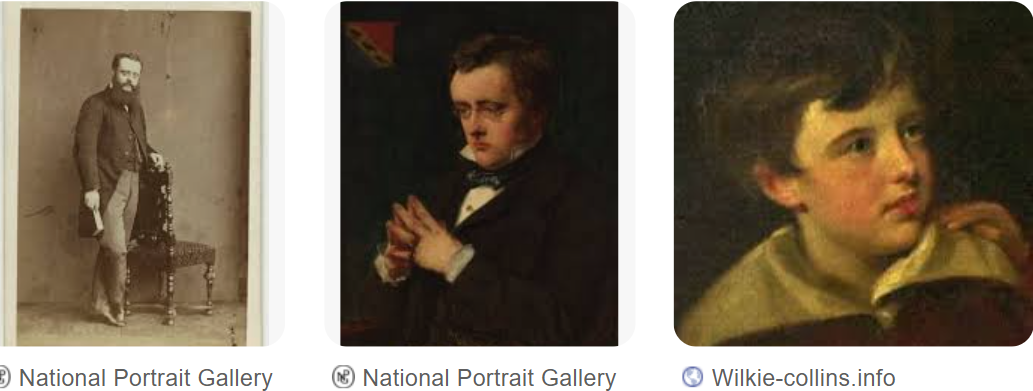
Collins is often credited as one of the founding fathers of the modern mystery and detective novel, but that title alone does not capture his legacy. His stories are gothic not because of ghosts, but because of atmosphere. They thicken the air. They slow the pulse. They make the reader uneasy without ever fully explaining why.
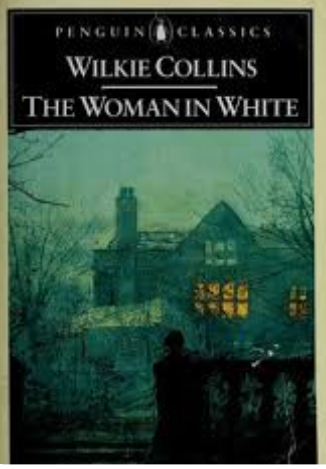
In The Woman in White, perhaps his most enduring work, Collins introduces a figure who drifts through moonlight and memory—an escaped woman dressed in white, fragile yet insistent, her presence both warning and wound. The novel unfolds through multiple voices, each unreliable in its own way, forcing the reader to navigate truth as though it were a fog-bound road. Identity is stolen. Sanity is questioned. Law becomes weaponized. And all of it feels disturbingly plausible.
This is Collins’ true genius: he never asks us to suspend disbelief. He asks us to look closer.
Long before psychology was formalized, Collins explored mental illness with empathy rather than spectacle. Long before feminist literature had a name, he wrote women who were observant, intelligent, and trapped by laws designed to silence them. His villains are rarely flamboyant; they are polite, patient, and devastatingly legal.
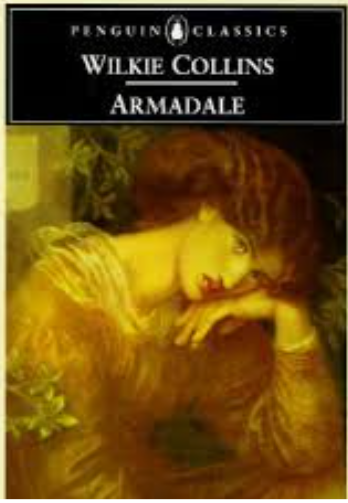
There is a quiet cruelty in Collins’ worlds. Paperwork ruins lives. Respectability masks predation. Medical authority becomes a cage. In novels like No Name and Armadale, the terror does not arrive screaming—it arrives neatly filed.
Despite his friendship with Charles Dickens, Collins’ work is darker, slower, and more intimate. Dickens thundered; Collins murmured. And in that murmur, he taught generations of writers that suspense does not require speed—only inevitability.
Collins himself lived on the margins of Victorian respectability. Chronically ill, dependent on laudanum for pain, and unconventional in his personal relationships, he understood exclusion from the inside. That awareness bleeds into his fiction, where outsiders see what polite society refuses to acknowledge.

To read Wilkie Collins today is to recognize a familiar dread: the fear of being misrepresented, institutionalized, erased, or outmaneuvered by authority. His stories remind us that darkness does not always lurk in forests or ruins. Sometimes it sits across the table, smiling, pen in hand.
Wilkie Collins did not invent fear. He simply taught it how to behave.
And that may be the most gothic lesson of all.
#WilkieCollins #GothicLiterature #VictorianGothic #ClassicAuthors #LiteraryGothic #TheWomanInWhite #DarkLiterature #GothicDustDiaries #ScribesSection #InkAndShadow